GeekProjects News
Add Some Blinkenlights to Your Supercon Badge https://hackaday.com/2023/12/01/add-some-blinkenlights-to-your-supercon-badge/ #2023HackadaySuperconference #2023HackadaySupercon #addressableled #WS2812-1010 #LEDHacks #ws2812 #cons #leds

 hackaday unofficial
Teaching You Everything You Might Have Missed About Addressable LEDs
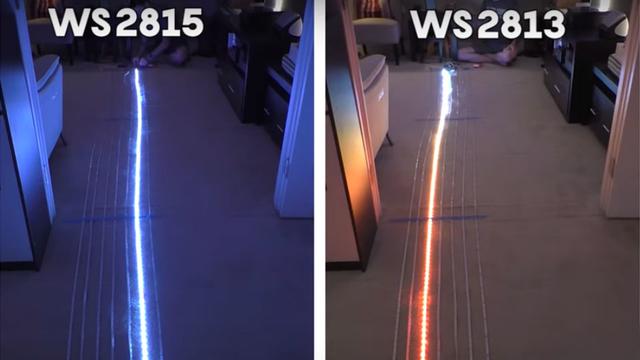
Often, financial motivation results in people writing great educational material for hackers. Such is absolutely the case with this extensive documentation blog post on addressable LEDs by [DeRun]. This article could very be named "Addressable LEDs 101", and it's a must-scroll-through for anyone, whether you're a seasoned hacker, or an artist with hardly any technical background and a desire to put LEDs in your creations.
This blog post is easy to read, painting a complete picture of what you can expect from different addressable LED types, and with apt illustrations to boot. Ever wonder which one of the addressable strips you should get from your retailer of choice, and what are the limitations of any specific type? Or, perhaps, you'd like to know - why is it that a strip with a certain LED controller is suspiciously cheap or expensive? You're more than welcome to, at least, scroll through and fill into any of your addressable LED knowledge gaps, whether it's voltage drops, color accuracy differences, data transfer protocol basics or dead LED failsafes.
Addressable LEDs have a special place in our hearts, it's as if the sun started shining brighter after we've discovered them… or, perhaps, it's all the LEDs we are now able to use. WS2812 is a staple of the addressable LED world, which is why we see them even be targets of both clone manufacturers and patent trolls. However, just like the blog post we highlight today mentions, there's plenty of other options. Either way do keep coming cover a new addressable LED-related hack, like rewriting their drivers to optimize them, or adding 3.3V compatibility with just a diode.
We thank [Helge] for sharing this with us!
#ledhacks #addressableled #apa102 #led #neopixel #rgbled #sk6812 #sk9822 #ws2812 #ws2812b #ws2813