
Sunset over the Dousman Stagecoach Inn Museum in Brookfield, Wisconsin. Photo by Aaron Johnson.
#Sunset
#WisconsinHistory

β€œBuilt in 1843 in the Greek Revival style, the inn originally served travelers along the plank road between Milwaukee and Watertown.” - Aaron Johnson
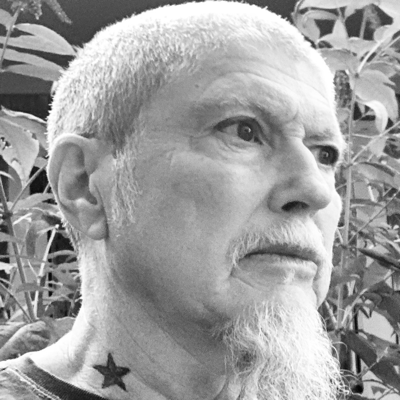
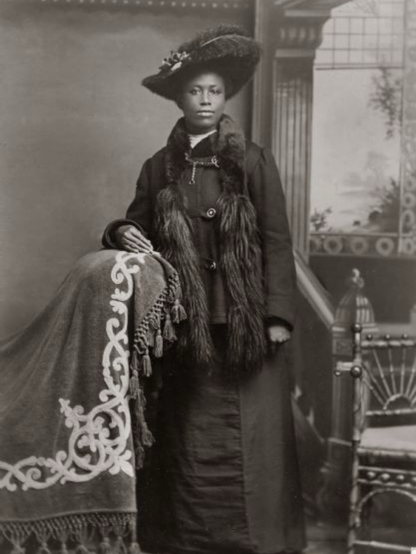
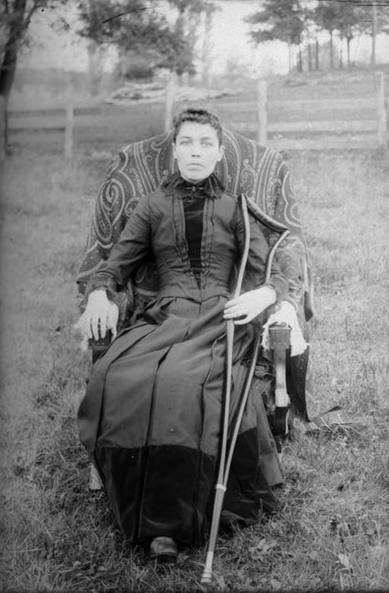
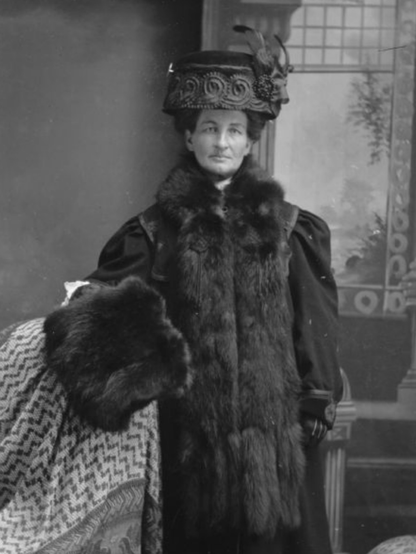
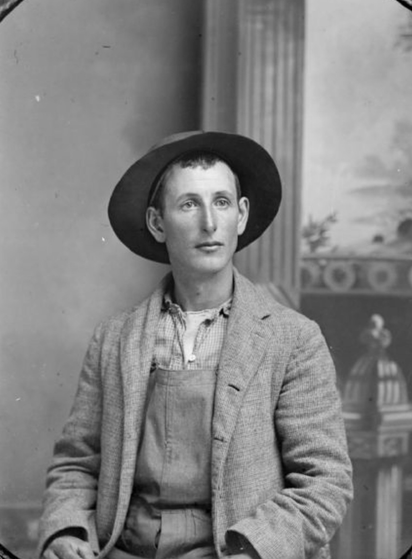
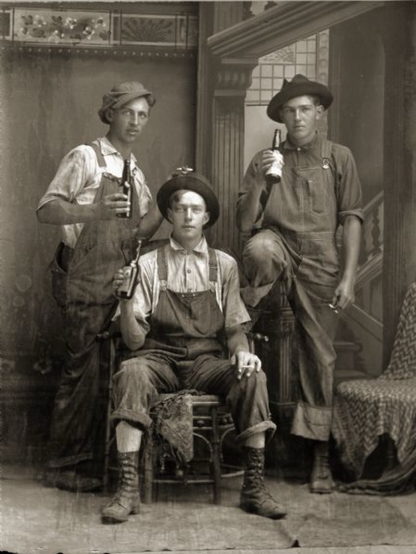
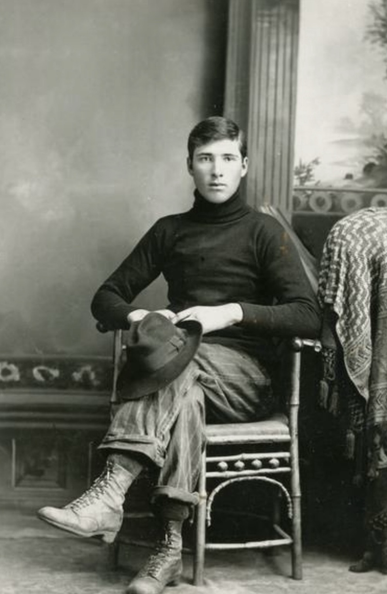
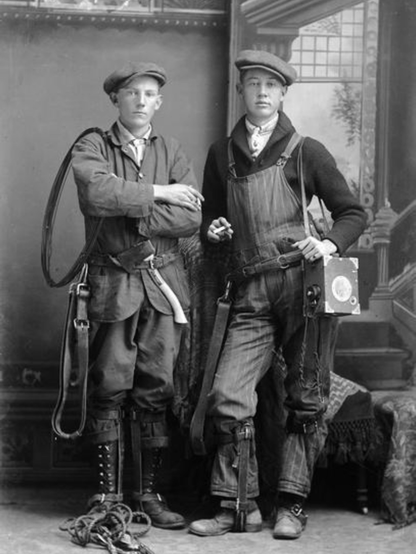
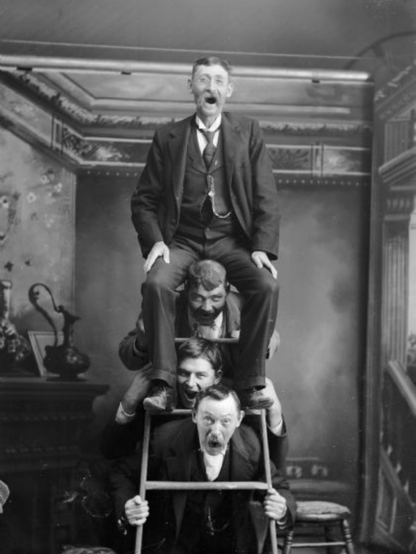
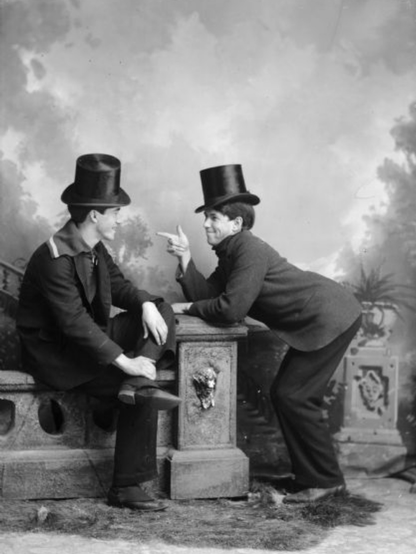
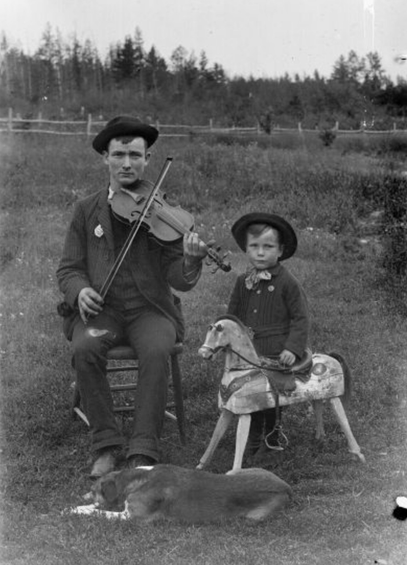
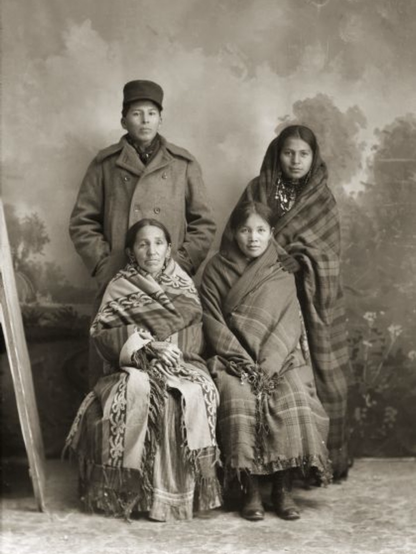
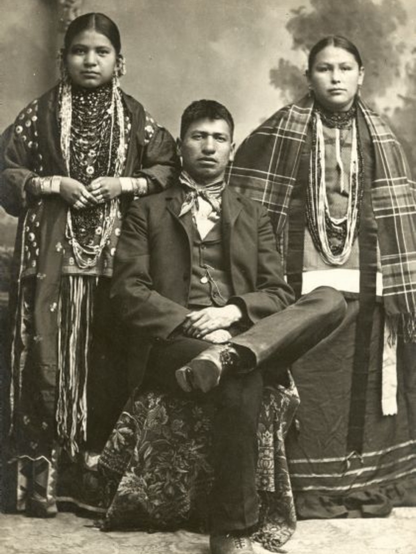
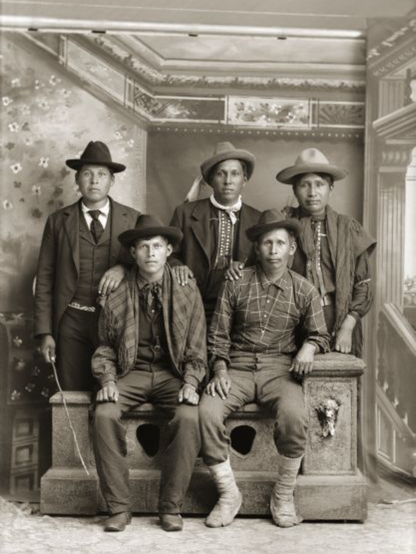
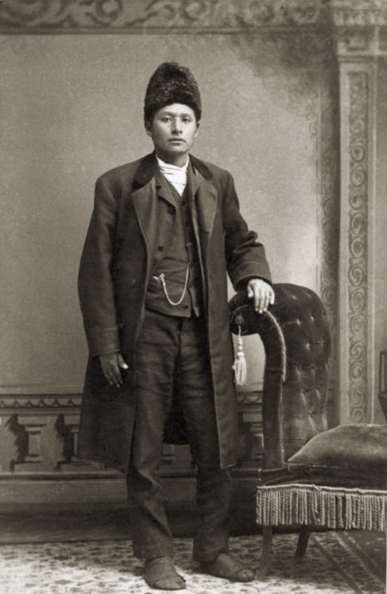
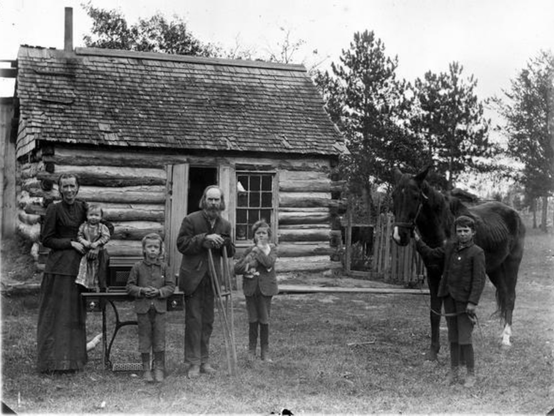
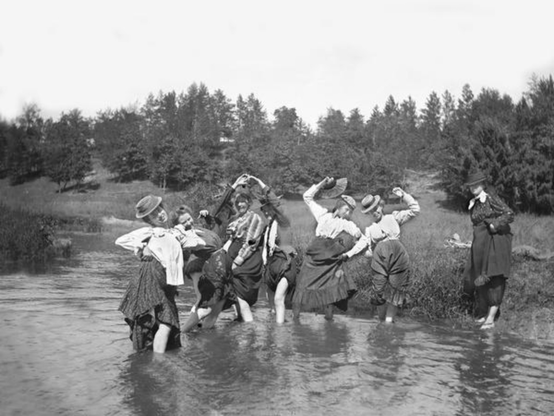
More photographs by Charles Van Schaick from Black River Falls, Wisconsin

The Ho-Chunk or Winnabego lived in the region for centuries, but in the 1870s were forcibly removed to Nebraska. Many returned + by 1881, most were settled on homesteads, with the administrative center of the Ho-Chunk Nation now located in Black River Falls.

#charlesvanschaick #photography #vintagephotography #nativeamericans #hochunk #winnebago #blackriverfalls #hochunknation
#Indigenouspeoples #indigenouspeople #nativeamericans #wisconsin #homesteaders #wisconsinhistory

Urban Milwaukee: After Shutdown, WisconsinEye Discussing Future With Legislators. β€œDue to a lack of funding, WisconsinEye halted its livestream coverage of state government on Monday and pulled down its video archive of over 30,000 hours of state government proceedings, candidate interviews and other programming. WisconsinEye launched in 2007 as an independent, nonprofit organization funded […]

https://rbfirehose.com/2025/12/21/urban-milwaukee-after-shutdown-wisconsineye-discussing-future-with-legislators/
Urban Milwaukee: After Shutdown, WisconsinEye Discussing Future With Legislators | ResearchBuzz: Firehose

ResearchBuzz: Firehose | Individual posts from ResearchBuzz
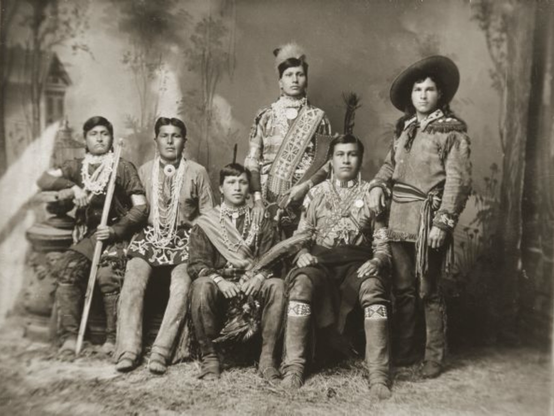
More Charles Van Schaick Photography

Working in Black River Falls, Wisconsin from 1880s to 1940s.

The Ho-Chunk or Winnabego lived in the region for centuries, but in the 1870s were forcibly removed to Nebraska. Many returned + by 1881 most were settled on homesteads, with the administrative center of the Ho-Chunk Nation now located in Black River Falls.

#charlesvanschaick #photography #vintagephotography #hochunk #winnebago #blackriverfalls #nativeamericans #hochunknation #Indigenouspeoples #indigenouspeople #nativeamericans #wisconsin #homesteaders #wisconsinhistory

More Charles Van Schaick Photography

Working in Black River Falls, Wisconsin from 1880s to 1940s.

The Ho-Chunk or Winnabego lived in the region for centuries, but in the 1870s were forcibly removed to Nebraska. Many returned + by 1881 most were settled on homesteads, with the administrative center of the Ho-Chunk Nation now located in Black River Falls.

#charlesvanschaick #photography #vintagephotography #hochunk #winnebago #blackriverfalls #nativeamericans #hochunknation #Indigenouspeoples #indigenouspeople #nativeamericans #wisconsin #homesteaders #wisconsinhistory

More Charles Van Schaick Photography

Working in Black River Falls, Wisconsin from 1880s to 1940s.

The Ho-Chunk or Winnabego lived in the region for centuries, but in the 1870s were forcibly removed to Nebraska. Many returned + by 1881 most were settled on homesteads, with the administrative center of the Ho-Chunk Nation now located in Black River Falls.

#charlesvanschaick #photography #vintagephotography #hochunk #winnebago #blackriverfalls #nativeamericans #hochunknation #Indigenouspeoples #indigenouspeople #nativeamericans #wisconsin #homesteaders #wisconsinhistory

πŸ›Άβœ¨ Ancient β€œcanoe parking lot” discovered!
Wisconsin archaeologists map 16 Indigenous canoes submerged in Lake Mendota β€” the oldest dating back 5,200 years. A shared community dock used for millennia along ancestral trails. History still floating beneath the waves!
Read more: https://apnews.com/article/ancient-canoes-lake-mendota-wisconsin-parking-lot-ee9b5f68a9e8c0f9bcf8af7ae9e9fd8d

@goodnews

#GoodNews #AncientCanoes #WisconsinHistory #IndigenousHeritage #ArchaeologyWin

Wisconsin archaeologists identify 16 ancient canoes in prehistoric 'parking lot'

Archaeologists have identified more than a dozen ancient canoes that Indigenous people apparently left behind in a prehistoric parking lot along a Wisconsin lakeshore. The Wisconsin Historical Society announced Wednesday that archaeologists have identified 16 canoes submerged in the lake bed of Lake Mendota in Madison. The discoveries began in 2021 when researchers uncovered the remains of a 1,200-year-old canoe in the lake. The following year they discovered a 3,000-year-old canoe, a 4,500-year-old canoe under it, as well as another 2,000-year-old canoe next to it. The oldest canoe of the 16 the society has now mapped is about 5,200 years old. Maritime archaeologist Tamara Thomsen says the canoes were positioned near a network of indigenous trials.

AP News