https://hasetri.com/working-domain/vehicle-dynamics/
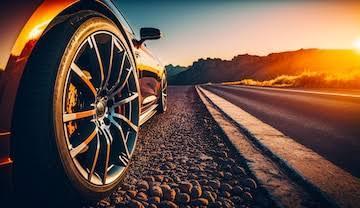
#Vehicledynamics is the science of how vehicles move, respond, and interact with the road. It encompasses acceleration, braking, steering, suspension, and tyre behaviorโfactors that determine ride comfort, stability, and handling.
Engineers use mathematical modeling and simulations to analyze forces acting on a vehicleโs body. Testing parameters like weight distribution, traction, and aerodynamics help optimize design for performance and safety.
๐๐จ๐ญ๐ข๐จ๐ง ๐๐ข๐ฆ๐ฎ๐ฅ๐๐ญ๐ข๐จ๐ง: ๐ ๐๐ฎ๐ข๐๐ ๐ญ๐จ ๐๐ง๐๐๐ซ๐ฌ๐ญ๐๐ง๐๐ข๐ง๐ ๐ญ๐ก๐ ๐ฉ๐ซ๐จ๐๐๐ฌ๐ฌ
๐๐๐จ๐ฐ๐ง๐ฅ๐จ๐๐ ๐๐๐ฆ๐ฉ๐ฅ๐ ๐๐จ๐ฉ๐ฒ https://www.theinsightpartners.com/reports/motion-simulation-market
Motion simulation is the process of creating a virtual or physical model to replicate the movement of objects or systems under real-world conditions. It is widely used in engineering, robotics, gaming, and vehicle testing to predict behavior and optimize designs.
#Simulation #MotionModeling #Engineering #Physics #VirtualTesting #Robotics #VehicleDynamics #Animation #3DModeling #Technology
Artificial Intelligence is transforming #vehicledynamics by enabling smarter, adaptive systems that respond instantly to road conditions. From predictive braking to intelligent suspension, AI enhances safety, comfort, and fuel efficiency. It also supports autonomous driving by integrating real-time data for better decision-making.
AI is revolutionizing #vehicledynamics by predicting performance under varying loads, terrains, and speeds. It optimizes handling, range, and ride comfort, especially for EVs and autonomous vehicles. AI-powered models reduce trial costs and deliver safer, smarter mobility experiences for tomorrowโs drivers and passengers.