 Droppie
https://www.thesaturdaypaper.com.au/comment/law-crime/2026/06/06/tickle-v-giggle-and-next-culture-war-gender-identity
The recent Federal Court decision to award Roxanne Tickle damages in her case against the Giggle for Girls app inspired a promise from Opposition Leader Angus Taylor to change the federal Sex Discrimination Act (SDA). He no doubt hoped to see support for the private member’s bill introduced last week by National Party MP Alison Penfold, in which she proposed to repeal the reference to gender identity in the SDA. Only one person backed the bill, causing it to lapse – meeting the same fate as one introduced by Pauline Hanson in 2024, and another from Coalition senators Matt Canavan and Alex Antic last year. Why is there suddenly a flurry of attention around gender identity?
In 2013, the Gillard government repealed the definitions of man and woman in the SDA, in line with contemporary thinking, and included the grounds of gender identity, intersex and sexual orientation. The amendments acknowledged that gender is now recognised as a social and cultural construct that may be self-defined rather than biologically determined. For clarity, the SDA defines gender identity as “the gender-related identity, appearance or mannerisms or other gender-related characteristics of a person (whether by way of medical intervention or not) with or without regard to the person’s designated sex at birth”.
The SDA amendments have not altered the fact that discrimination on the ground of sex is unlawful, as is the case with other related grounds, such as marital or relationship status, pregnancy and potential pregnancy, breastfeeding and family responsibilities.
There had been no furore over the meaning of gender identity for more than a decade after the amendments. In 2024, Tickle v Giggle was the first case to consider the new provisions. Roxanne Tickle, a transgender woman, alleged discrimination on the ground of gender identity in the provision of goods and services under the SDA. Tickle had undergone sexual reassignment surgery and her status as a woman had been formally recognised by the issue of an updated birth certificate under the Queensland Births, Deaths and Marriage Registration Act.
Giggle for Girls was an app devised by Sall Grover to help women connect and communicate with other women online. Registration involved the inclusion of a selfie so that Grover, assisted by AI, could determine whether an applicant was deemed male, in which case they would be excluded. Tickle was initially admitted to the Giggle app but was subsequently blocked when Grover looked at her photo and claimed she saw a “male person”. Tickle’s attempts to contact Grover were unsuccessful and she proceeded to lodge a complaint of discrimination on the basis of gender identity with the Australian Human Rights Commission.
After a futile attempt at conciliation, the commission terminated the complaint and Tickle proceeded to the Federal Court. Justice Robert Bromwich accepted that Tickle was a transgender woman and found she had been indirectly discriminated against – indirectly, as it was not established that Grover was aware of Tickle’s gender identity at the time of that action. The argument by the founder’s lawyers that the app was a special measure designed to achieve substantive equality between men and women was rejected as discriminatory against trans women. The judge awarded Tickle general damages of $10,000 and costs.
Giggle appealed the decision and Tickle cross-appealed in an attempt to establish direct discrimination. Justices Melissa Perry, Wendy Abraham and Geoffrey Kennett of the full Federal Court unanimously upheld Bromwich’s decision in favour of Tickle and were unanimous that Tickle had been directly discriminated against on the basis of her gender identity.
Direct discrimination is a straightforward concept, requiring simply that it be established a person has been treated less favourably than another in the same or similar circumstances on a proscribed ground. In this case, Tickle has been treated less favourably than a woman born female, on the basis of her gender identity. Indirect discrimination was discounted unanimously by the judges of the full bench, as the app founder’s awareness of Tickle’s transgender status was irrelevant, since she had been blocked.
In addition to the finding of direct discrimination, the appeal court increased the damages award to $20,000. This included $12,000 for general damages and $8000 for aggravated damages, as Grover had laughed derisively during the hearing at an offensive caricature of Tickle. In addition, Giggle was ordered to pay both Tickle’s costs of the appeal and the cross-appeal, subject to specified limits.
Giggle has signalled its intention to appeal to the High Court. While leave to appeal is not automatic, it would almost certainly be granted, as the case is socially significant. The court has not heard a single appeal under the SDA in 40 years, although it has heard three sex discrimination cases arising from state legislation, beginning with Deborah Wardley’s notorious struggle with Ansett Airlines to allow women to become pilots, and subsequent victory, in 1980.
While the High Court may have had little experience in addressing questions of gender, the appeal would not require a sophisticated knowledge of the psychosocial issues relating to trans or gender identity matters. Statutory construction is the judges’ forte, so a focus on the wording of the SDA would not prove unduly difficult for them, as it was not for the four Federal Court judges who have already deliberated on the case.
Would events elsewhere in the world be more encouraging to Angus Taylor than those in the Australian courts?
United States President Donald Trump issued an executive order immediately on assuming office in 2025 rejecting transgender rights – are these initiatives the model that the Australian people want to emulate?
Last year, the United Kingdom’s Supreme Court affirmed the meaning of sex under the UK Equality Act 2010 in conventional binary terms. The court, in For Women Scotland Ltd v The Scottish Ministers, favoured an interpretation of sex that accorded with the Australian position prior to the 2013 amendments. The Scottish Ministers had unsuccessfully contended that transgender women with gender recognition certificates were women for the purposes of the Equality Act. The UK requirement of a certificate is more rigorous than the Australian situation. As the UK Equality Act does not include gender identity, the Supreme Court had to rely on the certificated meaning in a separate piece of legislation, the Gender Recognition Act 2004. Furthermore, both man and woman are expressly defined in the UK Equality Act according to the conventional biological binary. Although the Equality Act was enacted after the Gender Recognition Act, it was not amended to take account of the change.
The UK Supreme Court’s narrower view as expressed in For Women Scotland Ltd affords Angus Taylor cold comfort, however. That result was based on statutory interpretation, as was the case in Australia. Furthermore, Australian courts have been departing from the English position on transgender issues for more than 30 years, in cases that have arisen in criminal law, social security, anti-discrimination law and family law. In these instances, Australian judges have recognised the rights of transgender people, particularly transgender women.
1/2
#AusPol #WhyTheFuckIsLabor #HahahahaLiebs #NatsAreNuts #GreensYEAH #VoteGreens #VoteProgIndies #PHONkedinthehead
#GenderDysphoria #Transmisia #Transphobia #Trans #TransRightsAreHumanRights #FsckThePatriarchy #fsckALLreligion #RWNJs #FsckRWNJs #FsckChristoFacists #ChangeTheSystem #FuckAroundAndFindOut #Misanthropy #TransRepresentation #transwoman #transwomen #transkids
The recent Federal Court decision to award Roxanne Tickle damages in her case against the Giggle for Girls app inspired a promise from Opposition Leader Angus Taylor to change the federal Sex Discrimination Act (SDA). He no doubt hoped to see support for the private member’s bill introduced last week by National Party MP Alison Penfold, in which she proposed to repeal the reference to gender identity in the SDA. Only one person backed the bill, causing it to lapse – meeting the same fate as one introduced by Pauline Hanson in 2024, and another from Coalition senators Matt Canavan and Alex Antic last year. Why is there suddenly a flurry of attention around gender identity?
In 2013, the Gillard government repealed the definitions of man and woman in the SDA, in line with contemporary thinking, and included the grounds of gender identity, intersex and sexual orientation. The amendments acknowledged that gender is now recognised as a social and cultural construct that may be self-defined rather than biologically determined. For clarity, the SDA defines gender identity as “the gender-related identity, appearance or mannerisms or other gender-related characteristics of a person (whether by way of medical intervention or not) with or without regard to the person’s designated sex at birth”.
The SDA amendments have not altered the fact that discrimination on the ground of sex is unlawful, as is the case with other related grounds, such as marital or relationship status, pregnancy and potential pregnancy, breastfeeding and family responsibilities.
There had been no furore over the meaning of gender identity for more than a decade after the amendments. In 2024, Tickle v Giggle was the first case to consider the new provisions. Roxanne Tickle, a transgender woman, alleged discrimination on the ground of gender identity in the provision of goods and services under the SDA. Tickle had undergone sexual reassignment surgery and her status as a woman had been formally recognised by the issue of an updated birth certificate under the Queensland Births, Deaths and Marriage Registration Act.
Giggle for Girls was an app devised by Sall Grover to help women connect and communicate with other women online. Registration involved the inclusion of a selfie so that Grover, assisted by AI, could determine whether an applicant was deemed male, in which case they would be excluded. Tickle was initially admitted to the Giggle app but was subsequently blocked when Grover looked at her photo and claimed she saw a “male person”. Tickle’s attempts to contact Grover were unsuccessful and she proceeded to lodge a complaint of discrimination on the basis of gender identity with the Australian Human Rights Commission.
After a futile attempt at conciliation, the commission terminated the complaint and Tickle proceeded to the Federal Court. Justice Robert Bromwich accepted that Tickle was a transgender woman and found she had been indirectly discriminated against – indirectly, as it was not established that Grover was aware of Tickle’s gender identity at the time of that action. The argument by the founder’s lawyers that the app was a special measure designed to achieve substantive equality between men and women was rejected as discriminatory against trans women. The judge awarded Tickle general damages of $10,000 and costs.
Giggle appealed the decision and Tickle cross-appealed in an attempt to establish direct discrimination. Justices Melissa Perry, Wendy Abraham and Geoffrey Kennett of the full Federal Court unanimously upheld Bromwich’s decision in favour of Tickle and were unanimous that Tickle had been directly discriminated against on the basis of her gender identity.
Direct discrimination is a straightforward concept, requiring simply that it be established a person has been treated less favourably than another in the same or similar circumstances on a proscribed ground. In this case, Tickle has been treated less favourably than a woman born female, on the basis of her gender identity. Indirect discrimination was discounted unanimously by the judges of the full bench, as the app founder’s awareness of Tickle’s transgender status was irrelevant, since she had been blocked.
In addition to the finding of direct discrimination, the appeal court increased the damages award to $20,000. This included $12,000 for general damages and $8000 for aggravated damages, as Grover had laughed derisively during the hearing at an offensive caricature of Tickle. In addition, Giggle was ordered to pay both Tickle’s costs of the appeal and the cross-appeal, subject to specified limits.
Giggle has signalled its intention to appeal to the High Court. While leave to appeal is not automatic, it would almost certainly be granted, as the case is socially significant. The court has not heard a single appeal under the SDA in 40 years, although it has heard three sex discrimination cases arising from state legislation, beginning with Deborah Wardley’s notorious struggle with Ansett Airlines to allow women to become pilots, and subsequent victory, in 1980.
While the High Court may have had little experience in addressing questions of gender, the appeal would not require a sophisticated knowledge of the psychosocial issues relating to trans or gender identity matters. Statutory construction is the judges’ forte, so a focus on the wording of the SDA would not prove unduly difficult for them, as it was not for the four Federal Court judges who have already deliberated on the case.
Would events elsewhere in the world be more encouraging to Angus Taylor than those in the Australian courts?
United States President Donald Trump issued an executive order immediately on assuming office in 2025 rejecting transgender rights – are these initiatives the model that the Australian people want to emulate?
Last year, the United Kingdom’s Supreme Court affirmed the meaning of sex under the UK Equality Act 2010 in conventional binary terms. The court, in For Women Scotland Ltd v The Scottish Ministers, favoured an interpretation of sex that accorded with the Australian position prior to the 2013 amendments. The Scottish Ministers had unsuccessfully contended that transgender women with gender recognition certificates were women for the purposes of the Equality Act. The UK requirement of a certificate is more rigorous than the Australian situation. As the UK Equality Act does not include gender identity, the Supreme Court had to rely on the certificated meaning in a separate piece of legislation, the Gender Recognition Act 2004. Furthermore, both man and woman are expressly defined in the UK Equality Act according to the conventional biological binary. Although the Equality Act was enacted after the Gender Recognition Act, it was not amended to take account of the change.
The UK Supreme Court’s narrower view as expressed in For Women Scotland Ltd affords Angus Taylor cold comfort, however. That result was based on statutory interpretation, as was the case in Australia. Furthermore, Australian courts have been departing from the English position on transgender issues for more than 30 years, in cases that have arisen in criminal law, social security, anti-discrimination law and family law. In these instances, Australian judges have recognised the rights of transgender people, particularly transgender women.
1/2
#AusPol #WhyTheFuckIsLabor #HahahahaLiebs #NatsAreNuts #GreensYEAH #VoteGreens #VoteProgIndies #PHONkedinthehead
#GenderDysphoria #Transmisia #Transphobia #Trans #TransRightsAreHumanRights #FsckThePatriarchy #fsckALLreligion #RWNJs #FsckRWNJs #FsckChristoFacists #ChangeTheSystem #FuckAroundAndFindOut #Misanthropy #TransRepresentation #transwoman #transwomen #transkids
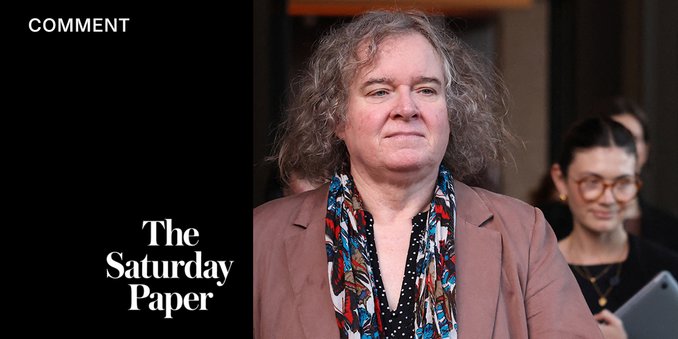
Tickle v Giggle and the next culture war on gender identity
Why is there suddenly a flurry of attention around gender identity? The Sex Discrimination Act amendments have not altered the fact that discrimination on the ground of sex is unlawful, as is the case with other related grounds, such as marital or relationship status ...

 mosspiglet