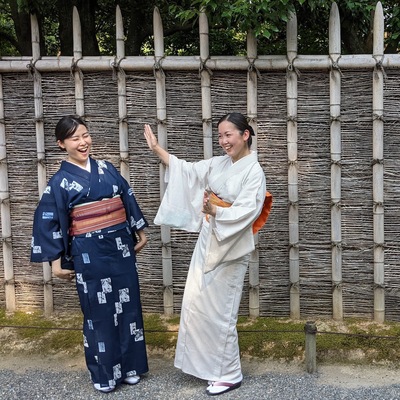
 Camellia Tea Ceremony
just touching
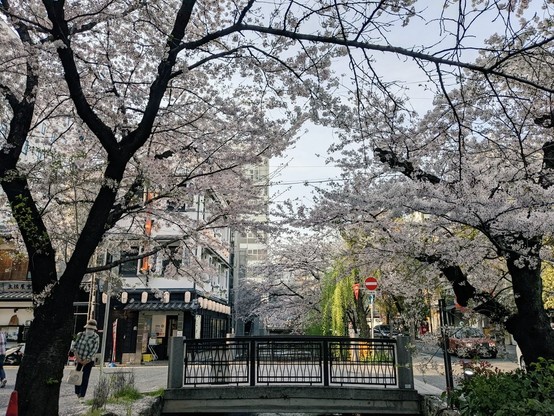
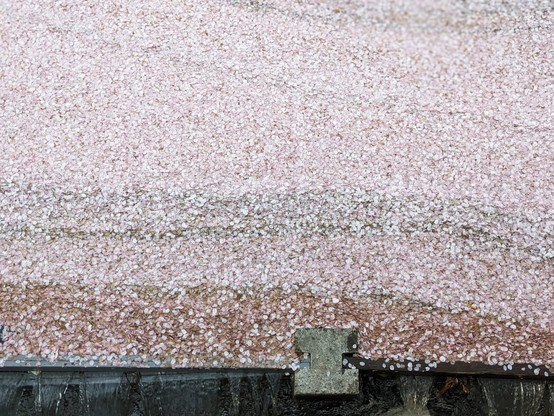
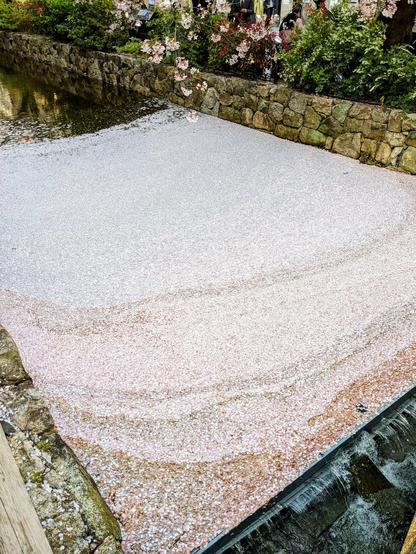
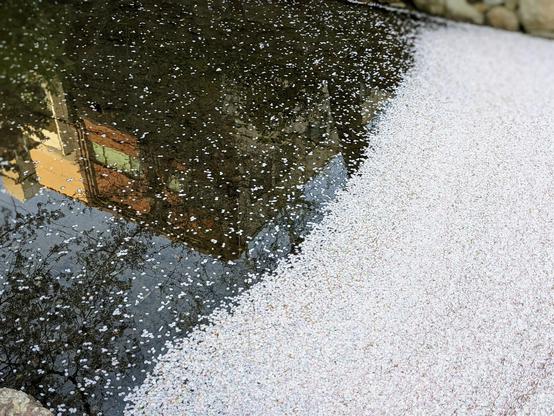
the cherry blossom petals
brings tears
花びらがさわつても出る涙哉
-Kobayashi Issa (小林一茶), 1810.
Trans. David G. Lanoue.
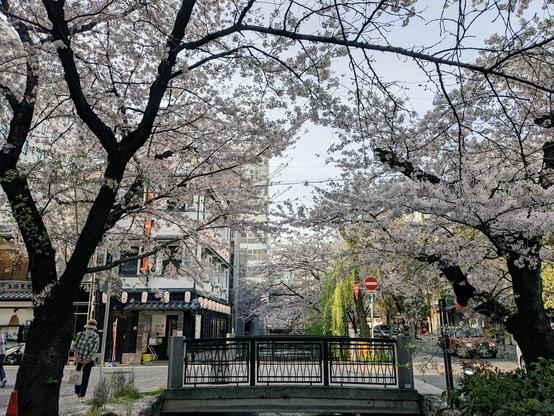
#Kyoto #京都 #Japan #sakura #桜 #cherryblossoms #blossoms #木屋町 #Kiyamachi #高瀬川 #Takasegawa #haiku
just touching
the cherry blossom petals
brings tears
花びらがさわつても出る涙哉
-Kobayashi Issa (小林一茶), 1810.
Trans. David G. Lanoue.
#Kyoto #京都 #Japan #sakura #桜 #cherryblossoms #blossoms #木屋町 #Kiyamachi #高瀬川 #Takasegawa #haiku
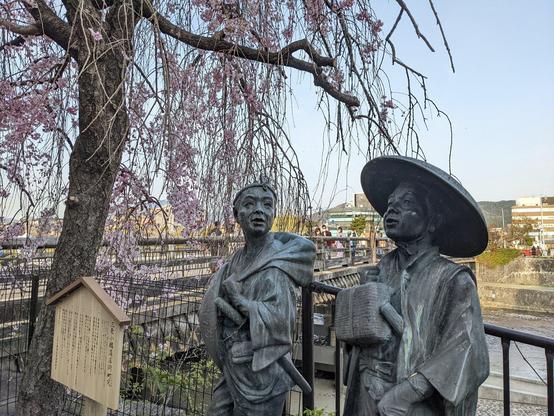
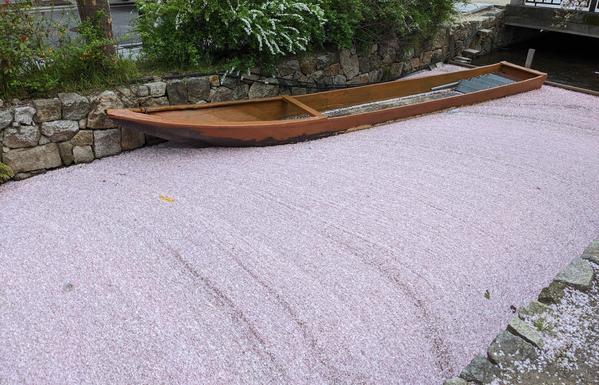
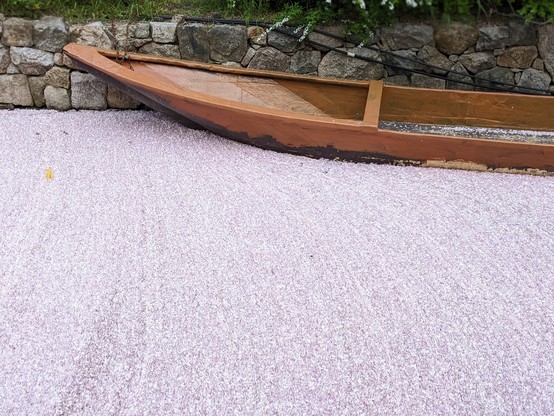
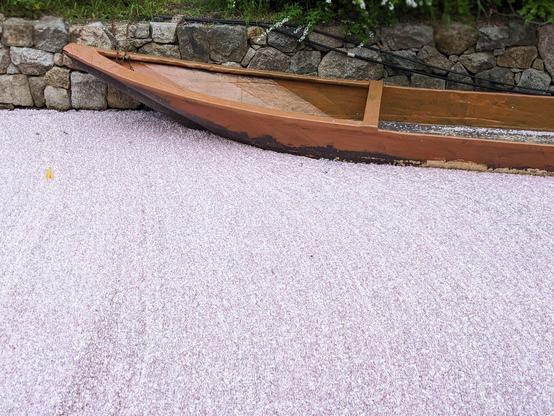
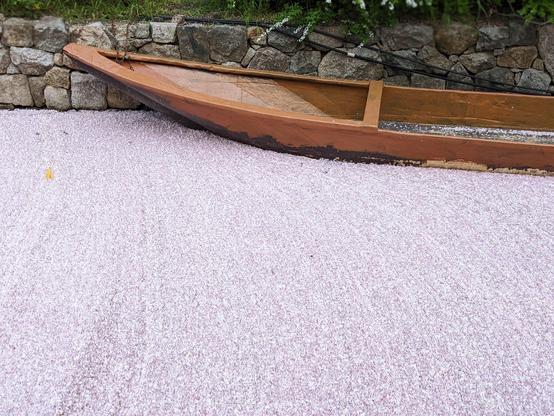
Up to 100 flat-bottomed boats, known as Takasebune (高瀬舟), could use the 11km route at one time.
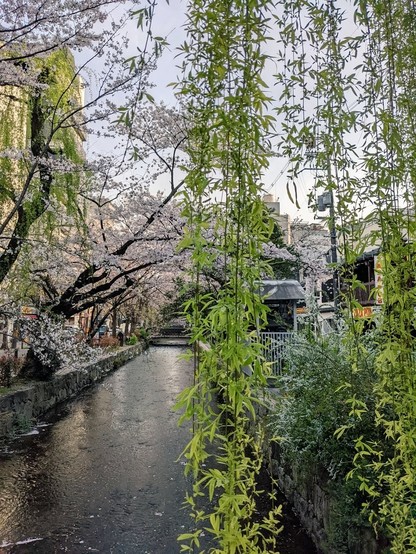
From the moment it opened, the Takase-gawa (高瀬川) was extremely popular, even featuring in guide books of the time.
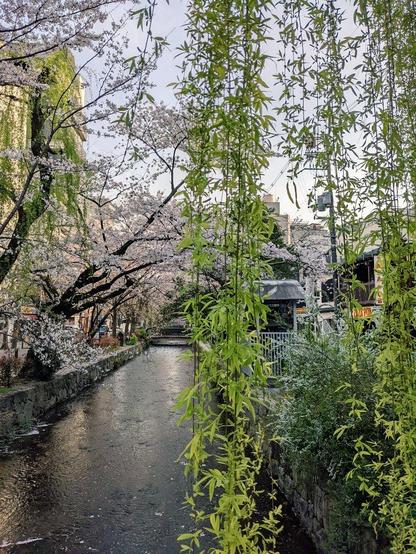
just touching
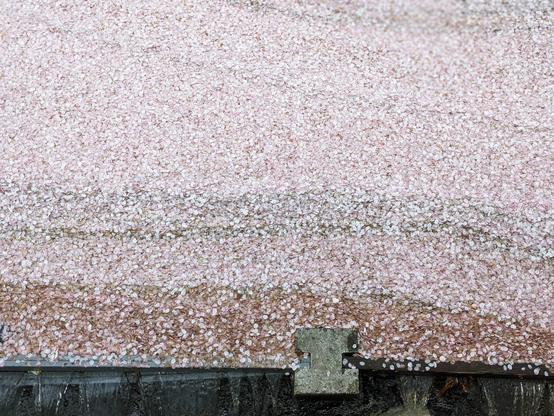
the cherry blossom petals
brings tears
花びらがさわつても出る涙哉
-Kobayashi Issa (小林一茶), 1810.
Trans. David G. Lanoue.
#Kyoto #京都 #Japan #sakura #桜 #cherryblossoms #blossoms #木屋町 #Kiyamachi #高瀬川 #Takasegawa #haiku
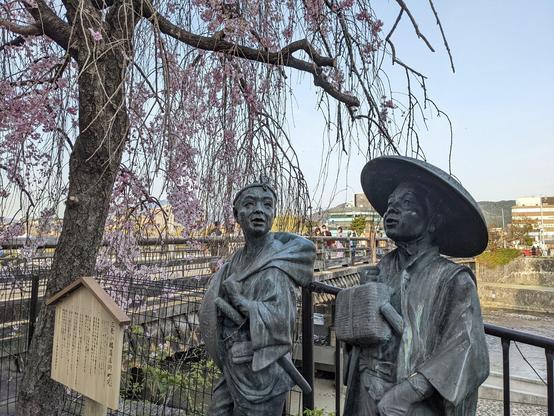
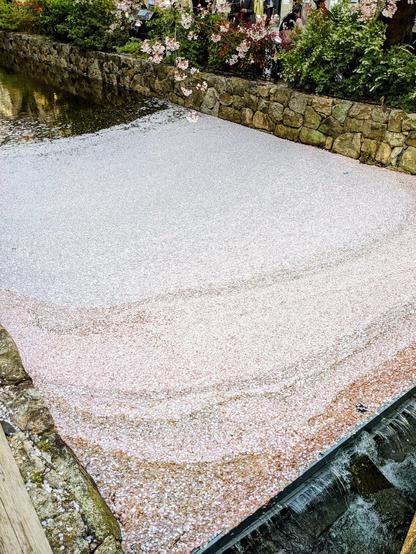
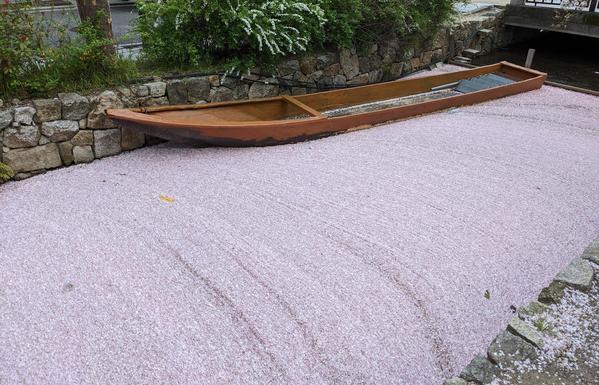
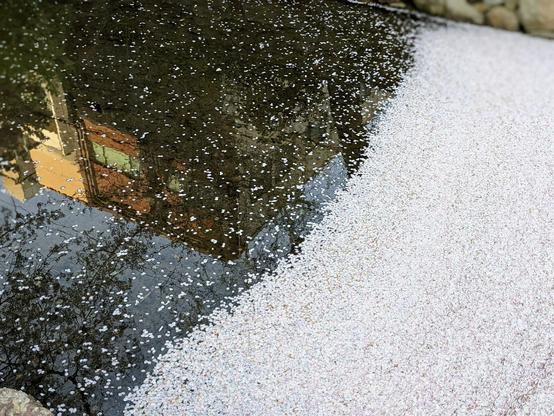
Up to 100 flat-bottomed boats, known as Takasebune (高瀬舟), could use the 11km route at one time.
From the moment it opened, the Takase-gawa (高瀬川) was extremely popular, even featuring in guide books of the time.
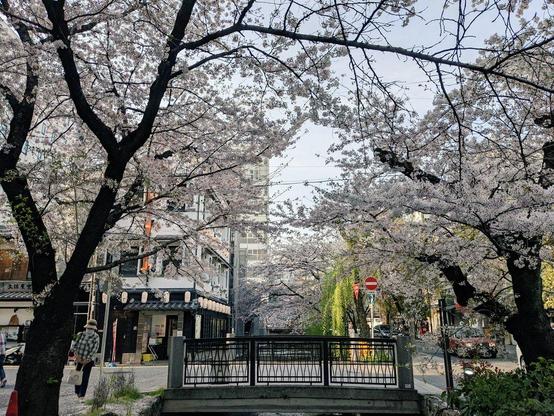
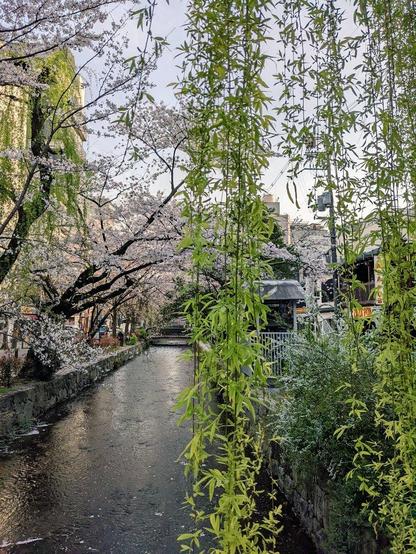
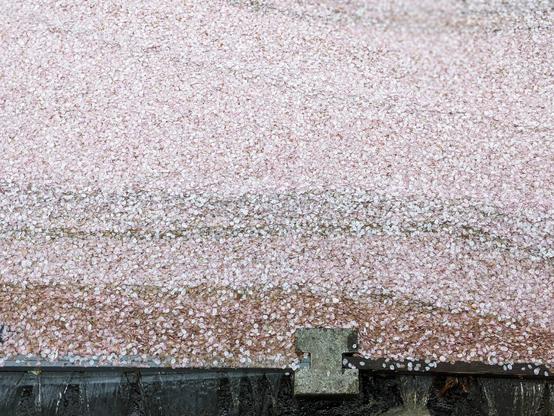
Once connecting the heart of Kyōto to the port of Fushimi, the Takase-gawa (高瀬川) was excavated by Suminokura Ryoi (角倉了以) between 1608-11.
Originally rising beside Suminokura's residence on Kiyamachi-Nijō, at one time the canal stretched all the way to Jujō (十条通).
Up to 100 flat-bottomed boats, known as Takasebune (高瀬舟), could use the 11km route at one time.
From the moment it opened, the Takase-gawa (高瀬川) was extremely popular, even featuring in guide books of the time.