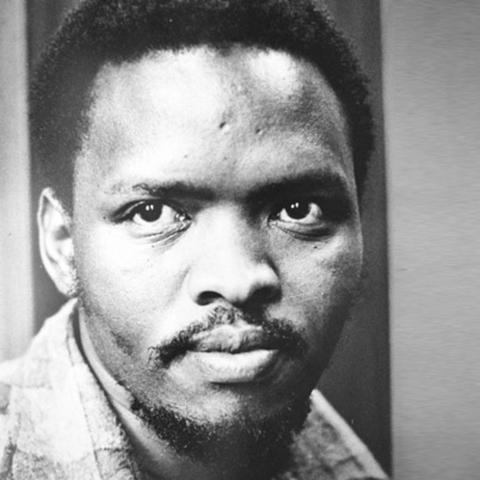
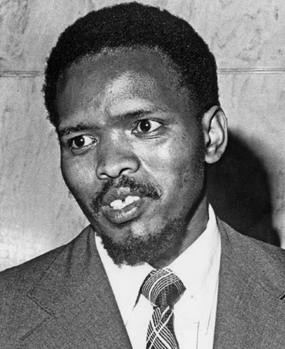
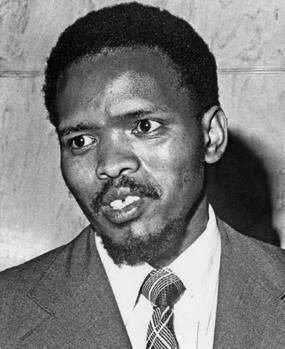
December 2, 1977 - A demonstration erupted outside a South African court after a magistrate ruled that security police were to be exonerated in the death of black consciousness leader Steve Biko, who died while in their custody.

The demonstrators chanted, "They have killed Steve Biko. What have we done? Our sin is that we are black?"

His funeral had been attended by more than 15,000 mourners, not including the thousands who were turned away by the police. He had been arrested for writing inflammatory pamphlets and "inciting unrest" among the black community.

"The most potent weapon in the hands of the oppressor is the mind of the oppressed.”

#Biko #StevenBiko

Today in History August 18, 1977: Steve Biko was arrested at a police roadblock under the Terrorism Act No. 83 in King William's Town, South Africa. He later died from injuries received during this arrest. Biko was a socialist and an anti-apartheid activist. He was 31 at the time of his assassination. He was influenced by the teachings of Martinican philosopher Frantz Fanon and the American Black Power Movement. His death brought international attention to South Africa's apartheid policies and helped launch the modern anti-apartheid movement. Biko was a leading figure in the creation of the South African Students' Organisation (SASO) in 1968, which was formed to give people of color the leading voice in the anti-apartheid movement which, until then, was dominated by white liberals. SASO was one of the first South African anti-apartheid groups that was open only to people of color (he used the term “blacks” to refer to Bantu-speaking people, as well as “coloureds” and Indians, who were also persecuted under Apartheid).

“Hillbilly Nationalists,” by Amy Sonnie and James Tracy, talks about a similar dynamic in the U.S. Civil Rights movement of the sixties. In the U.S., this conflict helped to spur the organization of white radical working-class groups, like the Young Patriots, who worked in solidarity with groups like the Young Lords, and the Black Panthers, who, in turn, influenced Biko’s politics.

#workingclass #LaborHistory #stevenbiko #Biko #southafrica #apartheid #racism #police #terrorism #policebrutality #policemurder #socialism #blackpanthers #younglords #YoungPatriots #books #nonfiction #hillbillynationalists #BlackMastadon @bookstadon

December 2, 1977 - A demonstration erupted outside a South African court after a magistrate ruled that security police were to be exonerated in the death of black consciousness leader Steve Biko, who died while in their custody.

The demonstrators chanted, "They have killed Steve Biko. What have we done? Our sin is that we are black?"

His funeral had been attended by more than 15,000 mourners, not including the thousands who were turned away by the police. He had been arrested for writing inflammatory pamphlets and "inciting unrest" among the black community.

#Biko #StevenBiko

Today in History August 18, 1977: Steve Biko was arrested at a police roadblock under the Terrorism Act No. 83 in King William's Town, South Africa. He later died from injuries received during this arrest. Biko was a socialist and an anti-apartheid activist. He was 31 at the time of his assassination. He was influenced by the teachings of Martinican philosopher Frantz Fanon and the American Black Power Movement. His death brought international attention to South Africa's apartheid policies and helped launch the modern anti-apartheid movement. Biko was a leading figure in the creation of the South African Students' Organisation (SASO) in 1968, which was formed to give people of color the leading voice in the anti-apartheid movement which, until then, was dominated by white liberals. SASO was one of the first South African anti-apartheid groups that was open only to people of color (he used the term “blacks” to refer to Bantu-speaking people, as well as “coloureds” and Indians, who were also persecuted under Apartheid).

“Hillbilly Nationalists,” by Amy Sonnie and James Tracy, talks about a similar dynamic in the U.S. Civil Rights movement of the sixties. In the U.S., this conflict helped to spur the organization of white radical working-class groups, like the Young Patriots, who worked in solidarity with groups like the Young Lords, and the Black Panthers, who, in turn, influenced Biko’s politics.

#workingclass #LaborHistory #stevenbiko #Biko #southafrica #apartheid #racism #police #terrorism #policebrutality #policemurder #socialism #blackpanthers #younglords #YoungPatriots #books #nonfiction #hillbillynationalists #BlackMastadon @bookstadon

"Black was a gesture of solidarity, whereas non-white was a term of exclusion. To be called non-white was to be defined in the negative, Biko argued, defined by what you weren’t. To choose black was to define yourself in the positive." —Eula Biss for The Believer.

https://www.thebeliever.net/love-and-murder-in-south-africa/

#Longreads #EditorsPicks #SouthAfrica #Apartheid #StevenBiko

Today in History August 18, 1977: Steve Biko was arrested at a police roadblock under the Terrorism Act No. 83 in King William's Town, South Africa. He later died from injuries received during this arrest. Biko was a socialist and an anti-apartheid activist. He was 31 at the time of his assassination. He was influenced by the teachings of Martinican philosopher Frantz Fanon and the American Black Power Movement. His death brought international attention to South Africa's apartheid policies and helped launch the modern anti-apartheid movement.

#WorkingClass #LaborHistory #StevenBiko #biko #SouthAfrica #apartheid #racism #police #terrorism #PoliceBrutality #PoliceMurder #socialism #BlackMastadon