
Smart Rural Communities for the Agenda 2030: Action Research, Living Labs and SDGs
<p id="p1">This chapter contributes to the discussion on contemporary rural development programs, with a focus on their alignment with the sustainable development goals (SDGs) in the Global South. The study examines an action research project led by Ayuda En Acción, in collaboration with co-operatives under the Mondragon Co-operative Corporation (MCC) such as Mundukide Foundation, Alecop, and LKS. The research was conducted in post-conflict rural areas in Colombia’s Bolivar region and remote rural settlements in Mozambique’s Cabo Delgado province. The intervention aimed to engage local communities by incorporating information and communication technologies (ICTs) for the well-being of rural residents. This chapter presents the action research fieldwork, critical analysis of the smart cities’ hegemonic discourse, and final recommendations while introducing the concept of Smart Rural Communities (SRC). The research question asks how to establish the SRC framework as an international cooperation model that meets the SDGs. The chapter includes an (i) introduction, (ii) literature review, (iii) presentation of the fieldwork in Colombia and Mozambique, (iv) findings through a SWOT analysis, and (v) final policy recommendations for the SRC framework. The SRC framework provides valuable insights for international cooperation models to achieve the SDGs in rural areas, particularly in the Global South.</p>

Smart Rural Communities for the Agenda 2030: Action Research, Living Labs, and SDGs
This chapter contributes to the discussion on contemporary rural development programs, with a focus on their alignment with the sustainable development goals (SDGs) in the Global South. The study examines an action research project led by Ayuda En Acción, in collaboration with co-operatives under the Mondragon Co-operative Corporation (MCC) such as Mundukide Foundation, Alecop, and LKS. The research was conducted in postconflict rural areas in Colombia’s Bolivar region and remote rural settlements in Mozambique’s Cabo Delgado province. The intervention aimed to engage local communities by incorporating information and communication technologies (ICTs) for the well-being of rural residents. This chapter presents the action research fieldwork, critical analysis of the smart cities’ hegemonic discourse, and final recommendations while introducing the concept of Smart Rural Communities (SRC). The research question asks how to establish the SRC framework as an international cooperation model that meets the SDGs. The chapter includes an (i) introduction, (ii) literature review, (iii) presentation of the fieldwork in Colombia and Mozambique, (iv) findings through a SWOT analysis, and (v) final policy recommendations for the SRC framework. The SRC framework provides valuable insights for international cooperation models to achieve the SDGs in rural areas, particularly in the Global South.

Smart Rural Communities: Action Research in Colombia and Mozambique
This article contributes to the ongoing discussion on rural development programs aligning with the Sustainable Development Goals (SDGs) in the Global South. The research question examines how the Smart Rural Communities (SRC) framework can support the SDGs as an international cooperation model. The article presents findings from fieldwork action research including a critical analysis of the hegemonic discourse on smart cities and provides final recommendations. Additionally, it introduces the concept of SRC. The fieldwork action research was conducted in post-conflict rural areas in Colombia’s Bolivar region and remote settlements in Mozambique’s Cabo Delgado province. Led by Ayuda En Acción in collaboration with co-operatives such as Mundukide Foundation, Alecop, and LKS from Mondragon Co-operative Corporation, these interventions aimed to engage local communities through Living Labs. They utilized Information and Communication Technologies (ICT) and social innovation to promote the well-being of rural residents. The article comprises (i) an introduction; (ii) a literature review; (iii) a presentation of the fieldwork action research in Colombia and Mozambique; (iv) findings from a SWOT analysis and policy recommendations for SRC Living Labs; (v) conclusions addressing the research question. The SRC framework offers valuable insights for international cooperation models striving to achieve the SDGs in the Global South.
Smart Rural Communities for the Agenda 2030: Action Research, Living Labs, and SDGs
This chapter contributes to the discussion on contemporary rural development programs, with a focus on their alignment with the sustainable development goals (SDGs) in the Global South. The study examines an action research project led by Ayuda En Acción, in collaboration with co-operatives under the Mondragon Co-operative Corporation (MCC) such as Mundukide Foundation, Alecop, and LKS. The research was conducted in postconflict rural areas in Colombia’s Bolivar region and remote rural settlements in Mozambique’s Cabo Delgado province. The intervention aimed to engage local communities by incorporating information and communication technologies (ICTs) for the well-being of rural residents. This chapter presents the action research fieldwork, critical analysis of the smart cities’ hegemonic discourse, and final recommendations while introducing the concept of Smart Rural Communities (SRC). The research question asks how to establish the SRC framework as an international cooperation model that meets the SDGs. The chapter includes an (i) introduction, (ii) literature review, (iii) presentation of the fieldwork in Colombia and Mozambique, (iv) findings through a SWOT analysis, and (v) final policy recommendations for the SRC framework. The SRC framework provides valuable insights for international cooperation models to achieve the SDGs in rural areas, particularly in the Global South.
The use of technology in rural development is often dominated by a hegemonic discourse of #SmartCities.
This article critically analyzes it by addressing the challenges of #SDGs yet suggesting an alternative #SmartRuralCommunities #LivingLab #GlobalSouth
https://www.mdpi.com/2071-1050/15/12/9521
Smart Rural Communities: Action Research in Colombia and Mozambique
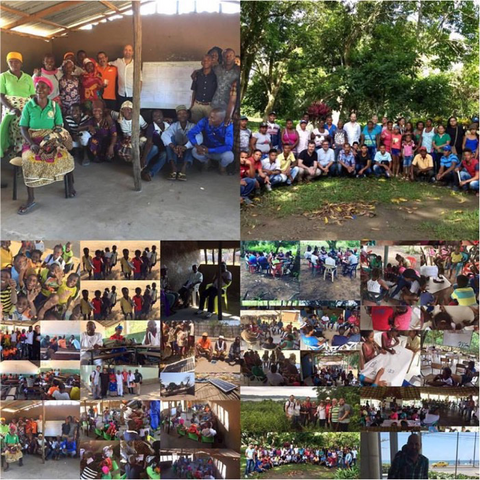
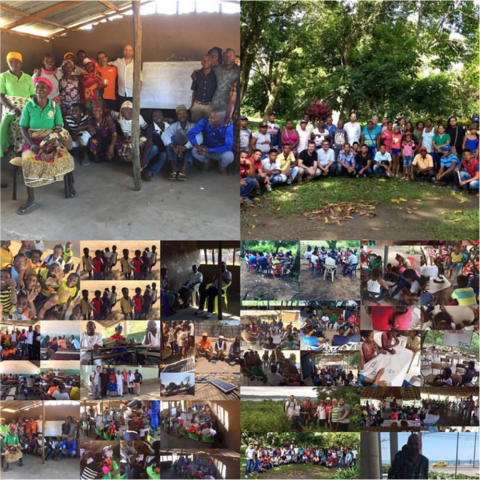
This article contributes to the ongoing discussion on rural development programs aligning with the Sustainable Development Goals (SDGs) in the Global South. The research question examines how the Smart Rural Communities (SRC) framework can support the SDGs as an international cooperation model. The article presents findings from fieldwork action research including a critical analysis of the hegemonic discourse on smart cities and provides final recommendations. Additionally, it introduces the concept of SRC. The fieldwork action research was conducted in post-conflict rural areas in Colombia’s Bolivar region and remote settlements in Mozambique’s Cabo Delgado province. Led by Ayuda En Acción in collaboration with co-operatives such as Mundukide Foundation, Alecop, and LKS from Mondragon Co-operative Corporation, these interventions aimed to engage local communities through Living Labs. They utilized Information and Communication Technologies (ICT) and social innovation to promote the well-being of rural residents. The article comprises (i) an introduction; (ii) a literature review; (iii) a presentation of the fieldwork action research in Colombia and Mozambique; (iv) findings from a SWOT analysis and policy recommendations for SRC Living Labs; (v) conclusions addressing the research question. The SRC framework offers valuable insights for international cooperation models striving to achieve the SDGs in the Global South.
The use of technology in rural development is often dominated by a hegemonic discourse of #SmartCities.
This article critically analyzes it by addressing the challenges of #SDGs yet suggesting an alternative #SmartRuralCommunities #LivingLab #GlobalSouth #Agenda2030 @anthropology @economics @politicalscience @politicaltheory https://www.mdpi.com/2071-1050/15/12/9521
Smart Rural Communities: Action Research in Colombia and Mozambique
This article contributes to the ongoing discussion on rural development programs aligning with the Sustainable Development Goals (SDGs) in the Global South. The research question examines how the Smart Rural Communities (SRC) framework can support the SDGs as an international cooperation model. The article presents findings from fieldwork action research including a critical analysis of the hegemonic discourse on smart cities and provides final recommendations. Additionally, it introduces the concept of SRC. The fieldwork action research was conducted in post-conflict rural areas in Colombia’s Bolivar region and remote settlements in Mozambique’s Cabo Delgado province. Led by Ayuda En Acción in collaboration with co-operatives such as Mundukide Foundation, Alecop, and LKS from Mondragon Co-operative Corporation, these interventions aimed to engage local communities through Living Labs. They utilized Information and Communication Technologies (ICT) and social innovation to promote the well-being of rural residents. The article comprises (i) an introduction; (ii) a literature review; (iii) a presentation of the fieldwork action research in Colombia and Mozambique; (iv) findings from a SWOT analysis and policy recommendations for SRC Living Labs; (v) conclusions addressing the research question. The SRC framework offers valuable insights for international cooperation models striving to achieve the SDGs in the Global South.
Smart Rural Communities: Action Research in Colombia and Mozambique
This article contributes to the ongoing discussion on rural development programs aligning with the Sustainable Development Goals (SDGs) in the Global South. The research question examines how the Smart Rural Communities (SRC) framework can support the SDGs as an international cooperation model. The article presents findings from fieldwork action research including a critical analysis of the hegemonic discourse on smart cities and provides final recommendations. Additionally, it introduces the concept of SRC. The fieldwork action research was conducted in post-conflict rural areas in Colombia’s Bolivar region and remote settlements in Mozambique’s Cabo Delgado province. Led by Ayuda En Acción in collaboration with co-operatives such as Mundukide Foundation, Alecop, and LKS from Mondragon Co-operative Corporation, these interventions aimed to engage local communities through Living Labs. They utilized Information and Communication Technologies (ICT) and social innovation to promote the well-being of rural residents. The article comprises (i) an introduction; (ii) a literature review; (iii) a presentation of the fieldwork action research in Colombia and Mozambique; (iv) findings from a SWOT analysis and policy recommendations for SRC Living Labs; (v) conclusions addressing the research question. The SRC framework offers valuable insights for international cooperation models striving to achieve the SDGs in the Global South.
 ICalzada