 U3dn
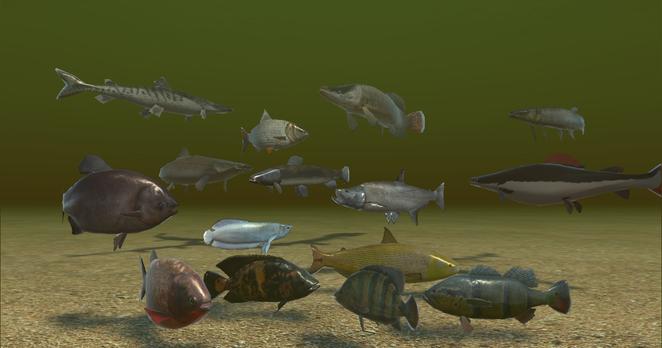
U3dnFreshwater Fish Volume 3 #Freshwaterfish #Unity #3Dmodels #Animations #Spawner #Shoaling #Lowpoly #AssetStore
 Warren Currie 🦠🦐
This is an example of how "selfish herd" theory gets into a feedback loop. #Fishes often use #shoaling for improved mating success, foraging, or safety in numbers. However, sometimes many groups collect, getting too large and actually attract large numbers of predators. In this Norwegian study using multibeam #acoustics, Atlantic #Cod congregate on a very large shoal of #Capelin, and consume the lot in one of the largest predation events recorded.
#Science #Oceanography
https://phys.org/news/2024-10-oceanographers-largest-predation-event-ocean.html
#Science #Oceanography
https://phys.org/news/2024-10-oceanographers-largest-predation-event-ocean.html
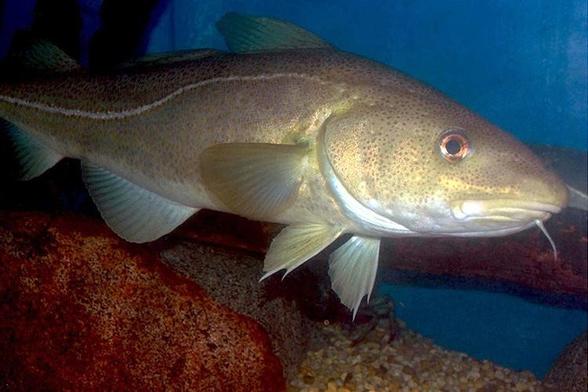

Oceanographers record the largest predation event ever observed in the ocean
There is power in numbers, or so the saying goes. But in the ocean, scientists are finding that fish that group together don't necessarily survive together. In some cases, the more fish there are, the larger a target they make for predators.
 Biology Open
In their natural habitats, #zebrafish often #shoal with co-occurring species. Ishani Mukherjee and Anuradha Bhat reveal potential drivers towards this mixed-species shoaling:
“We found that zebrafish might group with other species for benefits related to #predator avoidance and access to food”
Check out this interview with Ishani to find out more about the story behind the paper:
https://journals.biologists.com/bio/article/12/1/bio059816/286724/First-person-Ishani-Mukherjee
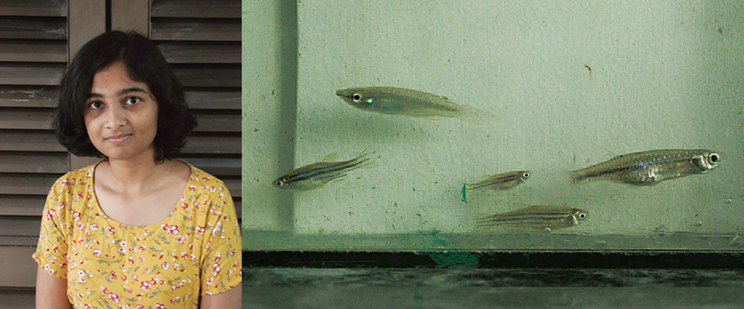

What drives mixed-species shoaling among wild zebrafish? The roles of predators, food access, abundance of conspecifics and familiarity
Summary: In their natural habitats, zebrafish often shoal with co-occurring species. This study reveals that food apportionment, benefits related to predator avoidance and familiarity are potential drivers towards mixed-species shoaling among zebrafish.