 Brian Lavelle has moved
Next up on the poetry reading pile, the new work from Peter Larkin, Scarcely Carry All Vast Woods. Another delve into his sui generis but rewarding new language of trees.
And if anyone knows where I might find a copy of her pamphlet The Unpinning of Moths, please do let me know.
I’m currently entranced by the work of British poet Eliza O’Toole, whose work is a layering of images beyond the everyday but still rooted in an obsessively and granularly observational way to the soil, to nature and to the seasons: radical in its original sense.
This is one of her poems from the 2024 work, A Cranic of Ordinaries, published by Shearsman. It seemed fitting as we approach the Ides of March this coming Saturday.
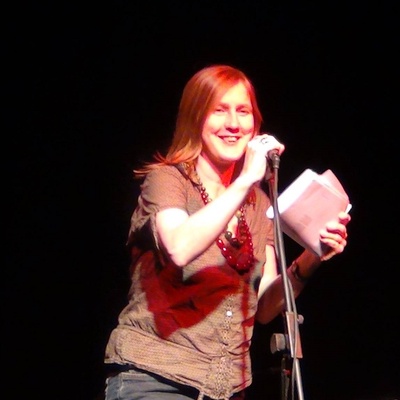 Bridget Khursheed
 Brian Lavelle has moved
I just learned of this new volume of early poetry by Chris Torrance: Selected Early Poems, edited by Ian Brinton and published by Shearsman. It looks really interesting. There’s not much of Torrance’s work out there, apart from the landmark publication of his life’s work, The Magic Door, from Test Centre (sadly missed!) a few years back. I think even that hefty volume may be out of print now.
#Poetry #ChrisTorrance #BritishPoetryRevival #TheMagicDoor #ShearsmanBooks
https://www.shearsman.com/store/Chris-Torrance-Selected-Early-Poems-p562998095

Chris Torrance - Selected Early Poems
Edited by Ian Brinton, with a Preface by Phil Maillard Published September 2023. Paperback, 130pp, 9 x 6ins, £12.95 / $20 ISBN 9781848619098 [Download a sample PDF from this book here .] One evening in 1961, in the Greyhound pub in Carshalton, Surrey, 20-year-old Chris Torrance – a solicitor’s clerk with novelistic ambitions – encountered a volatile Mob of nascent artists, writers and musicians. For Torrance, this was “the most important day of my life”. Dazzled, he was soon joining in their activities: wild weekends in the country, his first scary public readings, and, from 1963, co-editing the poetry and jazz magazine Origins/Diversions . In literary terms, Torrance’s greatest influence from the group was Bill Wyatt, who introduced him to “useful short forms” like haiku, and to William Carlos Williams’ Paterson . Wyatt, later a prolific poet, translator, naturalist, and the first Zen monk ordained in Britain, remained a life-long friend and ally. […] In the spring of 1965 Torrance gave up his seven-year career in solicitors’ offices, and joined the local Parks Department as a labourer. As the title Green Orange Purple Red implies, he wanted a more sensual take on the world via his writing – a Keatsian ambition. About then he found a second-hand copy of The New American Poetry , and embarked on a lifelong ‘love affair’ with those writers and that energy. In particular, the enormous presence of Charles Olson, seemed to confirm that – in terms of big ambition and local detail – Torrance was on the right track with his writing. Validation came in July 1966, with ‘The Carshalton Steam Laundry Vision’. Torrance was cutting the grass outside the Laundry, when his vocation was revealed to him: ‘I’m going to be a poet’. It wasn’t a ‘vision’; it was a powerful voice that had to be obeyed (“I accepted it completely”). As The Voice diminished into the clatter of machinery and the chatter of the laundry girls, the path ahead lay clear. —Phil Maillard Also available from these retailers: Order from Waterstones Order from Wordery Order from UKBookshop.com Order from amazon.co.uk Order from Indiebound (USA) Order from Barnes and Noble.com Order from amazon.com
"The sensual, vivid and at times heartbreaking poetry of Bridget Khursheed presents the natural world as something now permanently under pressure from human activities" Joyce McMillan The Scotsman
#LastDaysOfPetrol #poetry #ecopoetry #shearsmanbooks https://www.shearsman.com/store/Bridget-Khursheed-The-Last-Days-of-Petrol-p389203133
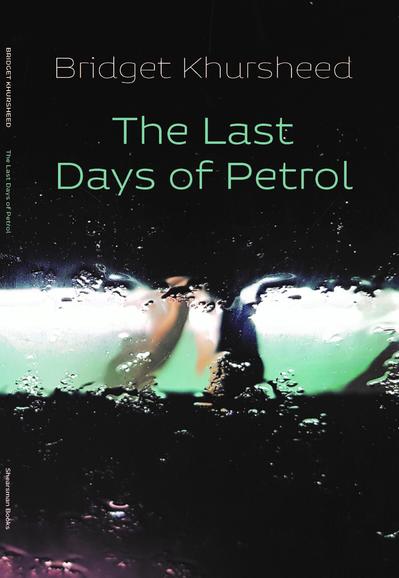

Bridget Khursheed - The Last Days of Petrol
Published January 2022. Paperback, 88pp, 9 x 6ins, £10.95 / $18 ISBN 9781848617933 [Download a sample PDF from this book here .] My interest is in ecopoetry and the teetering intersections between landscape (or the shape of things), nature and population. The new collection The Last Days of Petrol centres on how we cannot imagine that the world as we know is about to change in personal, political