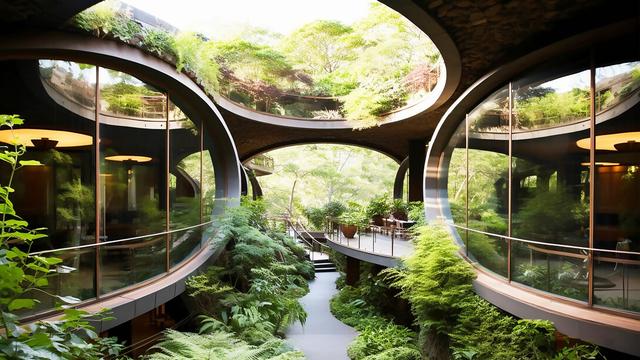
🌟 How Multisensory Architecture is Redefining Spaces 🌿🎶✨
Have you ever walked into a building and felt an instant sense of calm, energy, or connection—without knowing why? It might be the power of multisensory design at work!
Interesting article, “Multisensory Architecture: Designing Beyond the Visual”, which challenges the traditional visual-centric approach to architecture. Instead, it emphasizes designing spaces that engage touch, sound, smell, and even taste to create deeply immersive human experiences.
This got me thinking:
🔹 How can architects and designers prioritize senses like sound or texture without compromising aesthetics?
🔹 What spaces have YOU encountered that left a lasting emotional (not just visual) impression?
🔹 Could multisensory design improve accessibility for people with visual impairments?
🔹 Would you incorporate scent or tactile materials into your projects? Why/why not?
Let’s spark a conversation! 💬
#ArchitectureDesign #SensoryDesign #InclusiveSpaces #Innovation #BuiltEnvironment #DesignThinking #LinkedInDiscussion
👉 Read the full article here and share your thoughts: https://www.linkedin.com/pulse/multisensory-architecture-designing-beyond-visual-jacky-kapadia-d6g7c
 Cheshire
 Silphium Design LLC
 NeuroD Is Me™
 Jacky Kapadia