 Roma Aeterna
#Ruinoftheday : le panorama du Colisée vers 1850 (photographie de John Shaw Smith). L’arc de Constantin et la Meta Sudans semblent bien seuls.

🪔 For the #RuinOftheDay: remains of the Temple of Rome and Augustus right behind the Parthenon of Acropolis in Athens. It was likely built between 19 and 17 BC and it is the only Athenian temple dedicated to the cult of the Emperor. 📸 me
#romanarchaeology #archaeology #antiquity #ancientart #ancientrome #ancienthistory
@archaeodons @histodons
@antiquidons

🪔 For the #RuinOfTheDay: Obelisk of Theodosius in Istanbul, part of the spina of the Hippodrome. This obelisk was initially part of the great temple of Karnak in Egypt, erected by the Pharaoh Thutmose III (1479 - 1425 BC). In AD 390, Theodosius I moved the obelisk to Constantinople.
🪔 A new marble pedestal was added depicting the Emperor presenting a victory crown to a winning charioteer, and other celebrations at the Hippodrome.


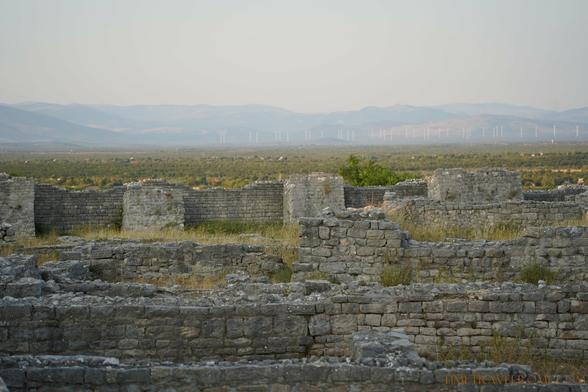
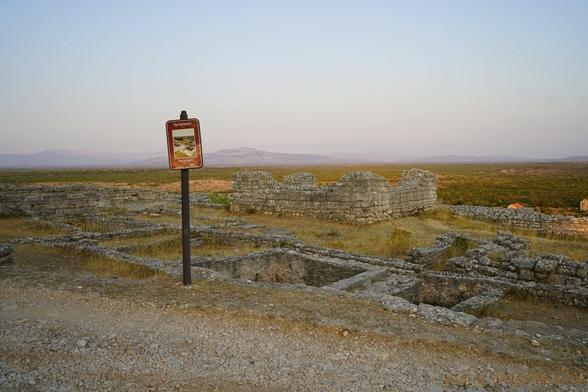
🪔 For the #RuinOfTheDay: ruins of Bribir, ancient Varvaria in #Croatia. Bribir settlement on the top of a hill was the place of uninterrupted occupation from Neolithic through modern times. 📸 me
🪔 Bribir was an important Liburnian fortress, and after roman conquest in the 1st c. AD, it became a Roman municipium, called #Varvaria. The city walls are encompassing more than 7 hectares, highlighting he significant of the town at the roman times.


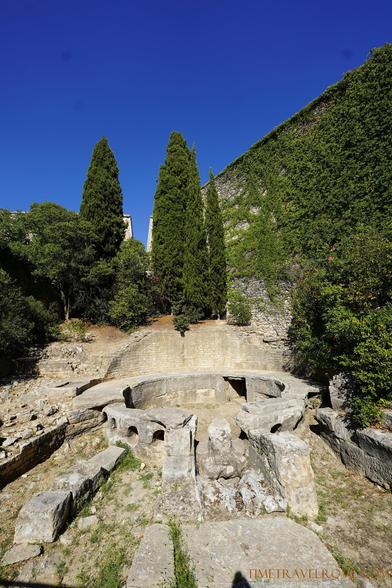
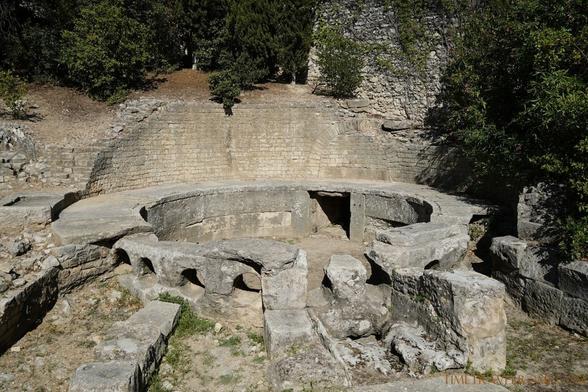

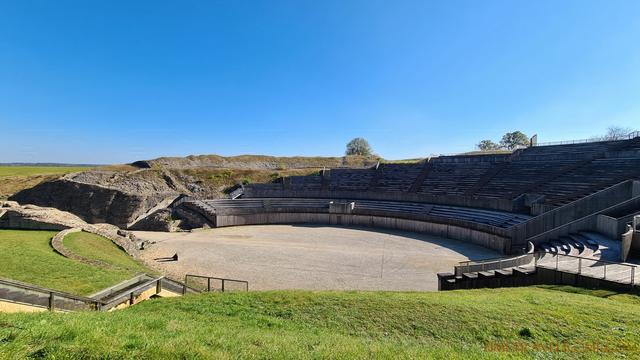
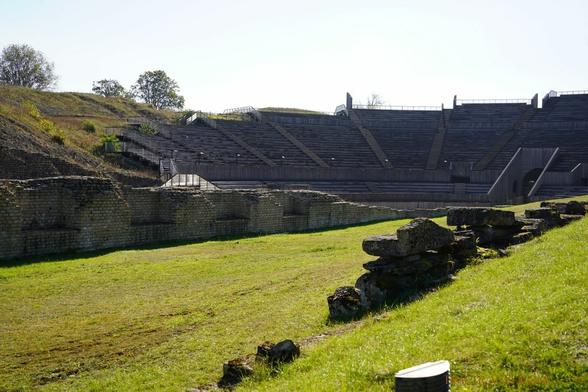
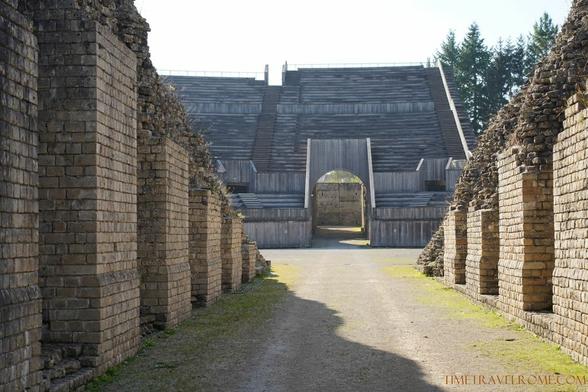
🪔 For the #RuinOfTheDay: the #Amphitheater of Grand, in France. 148 meters long, this amphitheater was one of the biggest in the Roman Empire: it could accommodate up to 20.000 spectators. 📸 me
#romanarchaeology #archaeology #antiquity #ancientart #ancientrome #ancienthistory
@archaeodons @histodons
@antiquidons

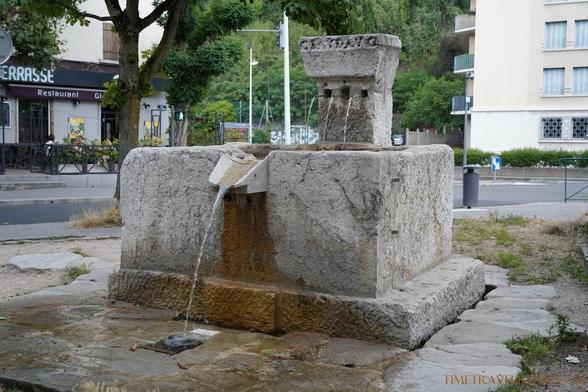
🪔 For the #RuinOfTheDay: the fontain of #Claudius in Lyon, roman Lugdunum. This fountain was discovered in 1983 in Fourvière, at a crossroads of ancient streets. The pillar is topped by a capital bearing the letters CLAVD(ius) AVG(ustus).
🪔 Emperor Claudius was born in Lyon in 10 BC, and the fountain probably dates from the emperor's stay in his home town on his way to or from his expedition to Britain in 43 AD. 📸 me
#romanarchaeology #archaeology
@archaeodons @histodons
@antiquidons



 Roman
Roman