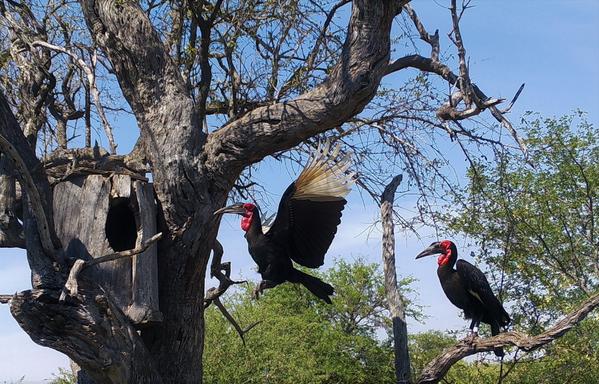
In long-lived southern ground-hornbills, hot-dry conditions reduce reproductive success, but helpers offer no buffering effects. Middleton et al. highlight the role of life-history in shaping cooperative strategies.

Available now ahead of print!
https://www.journals.uchicago.edu/doi/10.1086/739305

#ReproductiveSuccess #CooperativeStrategies #EEB

【EDITOR'S CHOICE】
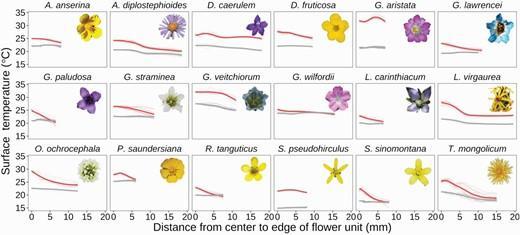
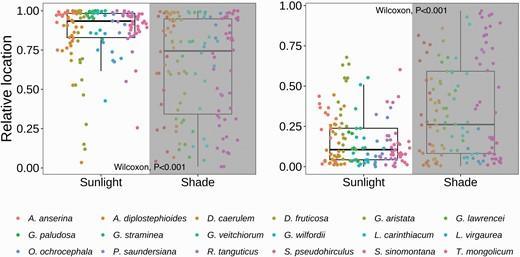
Flower surface is warmer in center than at edges in alpine plants: evidence from #Qinghai-TibetanPlateau

#FlowerShape | #FlowerTraits | #ReproductiveSuccess | #ThermalPattern

https://doi.org/10.1093/jpe/rtad023

【EDITOR'S CHOICE】
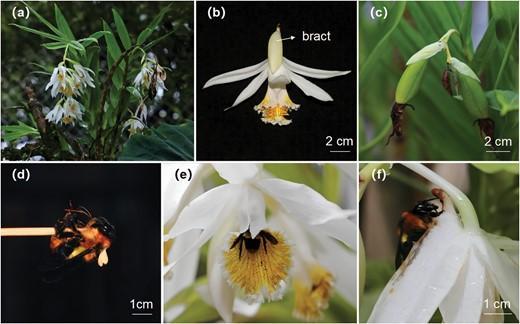
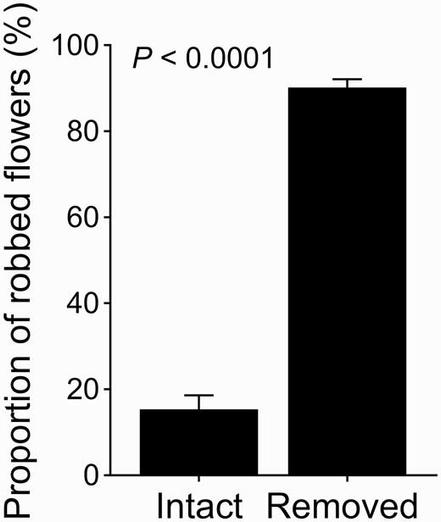
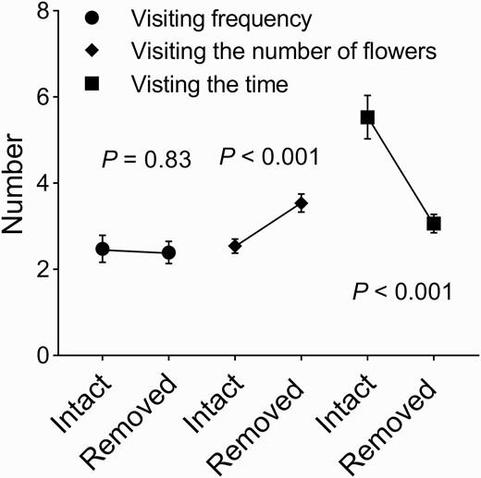
The conspicuously large #Bracts influence #ReproductiveSuccess in #ThuniaAlba (Orchidaceae)

#Pollinator | #NectarRobbery | #BombusBreviceps

https://doi.org/10.1093/jpe/rtad036

New research casts doubt on a popular theory in evolutionary psychology

A recent study found early fertility increases women's lifetime reproductive success regardless of socioeconomic background, challenging the psychosocial acceleration theory.

PsyPost

Now available ahead of print! "Age-Specific Phenology and Reproductive Success Senescence Vary with Environmental Age in a Wild Bird" by Bonamour et al. https://www.journals.uchicago.edu/doi/10.1086/733182

#phenology #reproductiveSuccess #age #bird

Is it possible that when food was abundant, laying extra eggs was adaptive because it would be a way to store "fresh food" for periods of high food demands?
Barón et al. discovered that hoopoes use extra eggs as packed food to feed older siblings. Read now ahead of print!

https://www.journals.uchicago.edu/doi/10.1086/728883

#eggs #hoopoes #adaptive #nestlings #reproductiveSuccess