New simulations suggest that unstable environments and mobility helped cooperation evolve by disrupting selfish groups and reinforcing resilient ones. Cooperation may have emerged from movement, not stability. #Anthropology #Evolution #Cooperation #Pleistocene https://www.anthropology.net/p/when-the-world-wouldnt-sit-still
When the World Wouldn’t Sit Still: How Shifting Landscapes May Have Carved the Roots of Human Cooperation

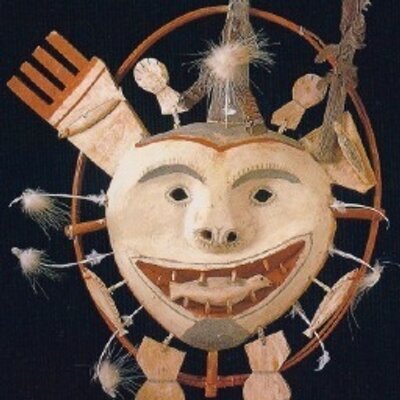
New simulation research suggests that mobility and unstable environments did more than challenge early humans. They may have created the perfect conditions for cooperation to take hold.

Anthropology.net

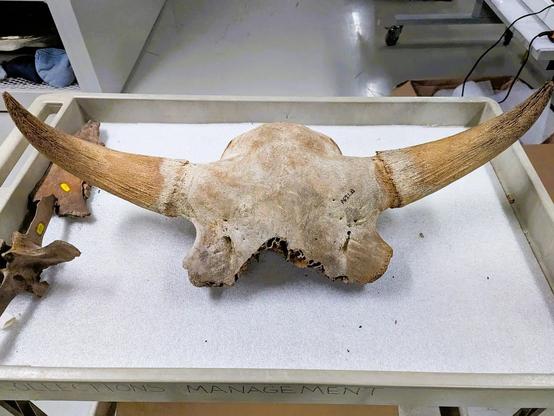
#TatonkaTuesday - Finally getting around to writing a detailed #LostBones Substack about the Melrose Minnesota site - a peat deposit uncovered during MN I-94's construction in 1967.

The largest skull from the site (left) is SMM P67.1.33. At 89.5 cm (35.24 inches) across its horn cores. In life the span could have been nearly 45 inches with its outer sheaths

Blog post coming soon! If you know of other sites - comment!

#Pleistocene #Bisonoccidentalis #CitizenScience #Discovery on #Substack

New genetic study reveals how modern humans first arrived in Australia 60,000 years ago

A sweeping genetic investigation is reshaping what researchers know about the first journeys of modern humans into Australia and its neighboring lands. Analysis of nearly 2,500 mitochondrial genomes from Indigenous communities across Australia, New Guinea, and the wider Pacific...

More info: https://archaeologymag.com/2025/12/how-modern-humans-first-arrived-in-australia/

Follow us @archaeology

#archaeology #archeology #archaeologynews #anthropology #pleistocene

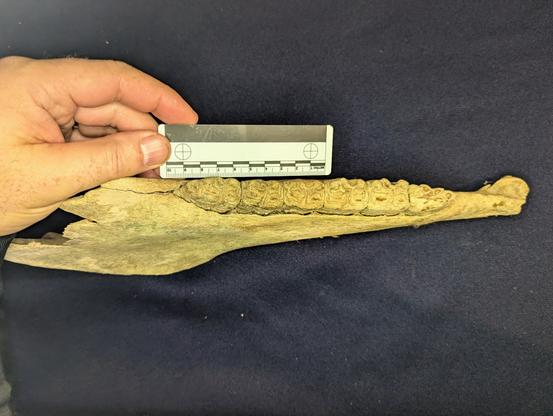
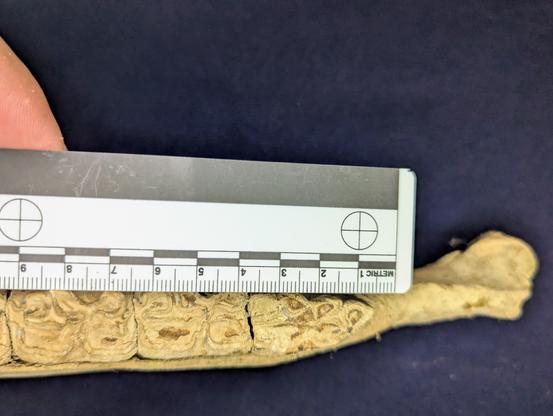
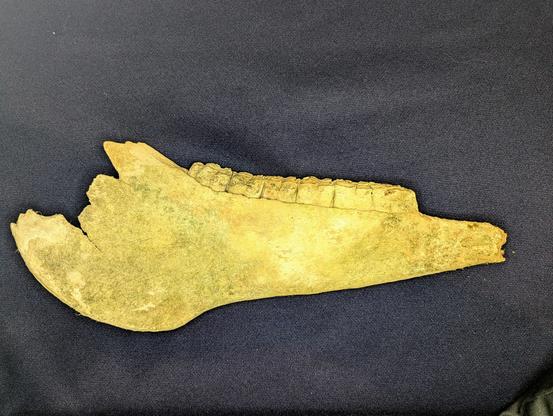
Happy #FossilFriday! 🐴🐘🐪💀 This gorgeous horse mandible comes from Brown County, Minnesota. It was collected by a friend of mine under permit in a state park earlier this year. The bone is deceptively heavy, suggesting it has been partially mineralized. Today, it will be donated to the Science Museum of Minnesota for study.

To read more about finds like this, check out my Substack: https://marcusbrandel.substack.com/

#browncountyhistory #holocene #pleistocene #equus #palaeontology #fossils #citizenscience

Episode two of Prehistoric Planet made me wonder about fruit and vegetables that went extinct before humans existed.

How many of them would we have found absolutely delicious? I wish I could try some of them.

#PrehistoricPlanet #FilmMastodon #History #Science #Mammoth #IceAge #Pleistocene #Food

🦣🐘🦥🐪 For #FossilFriday: Here is the second of the OG 12 mammoth specimens from New Ulm, MN. Amazingly, split down its length rather than broken into individual plates its chewing surface is missing—but you can see part of the animal’s jaw and tooth root exposed.

Discoveries in New Ulm continue to this day! To read more about the first “dirty dozen” proboscidean finds, check out #LostBones #3 (one of the free articles) on my Substack.

https://marcusbrandel.substack.com/
.
.
.
#Pleistocene #CitizenScience

@FelisCatusDomesticus @PugJesus
RE
amazes me how their ancestors learned to live that way and thrive in such a climate

Yea, humans, I guess a synonym could be "survivor" (anyplace on earth)

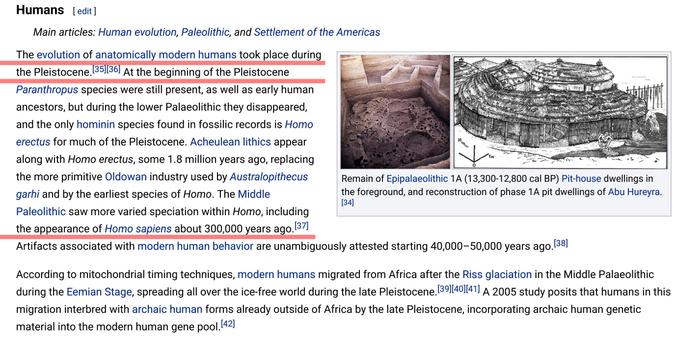
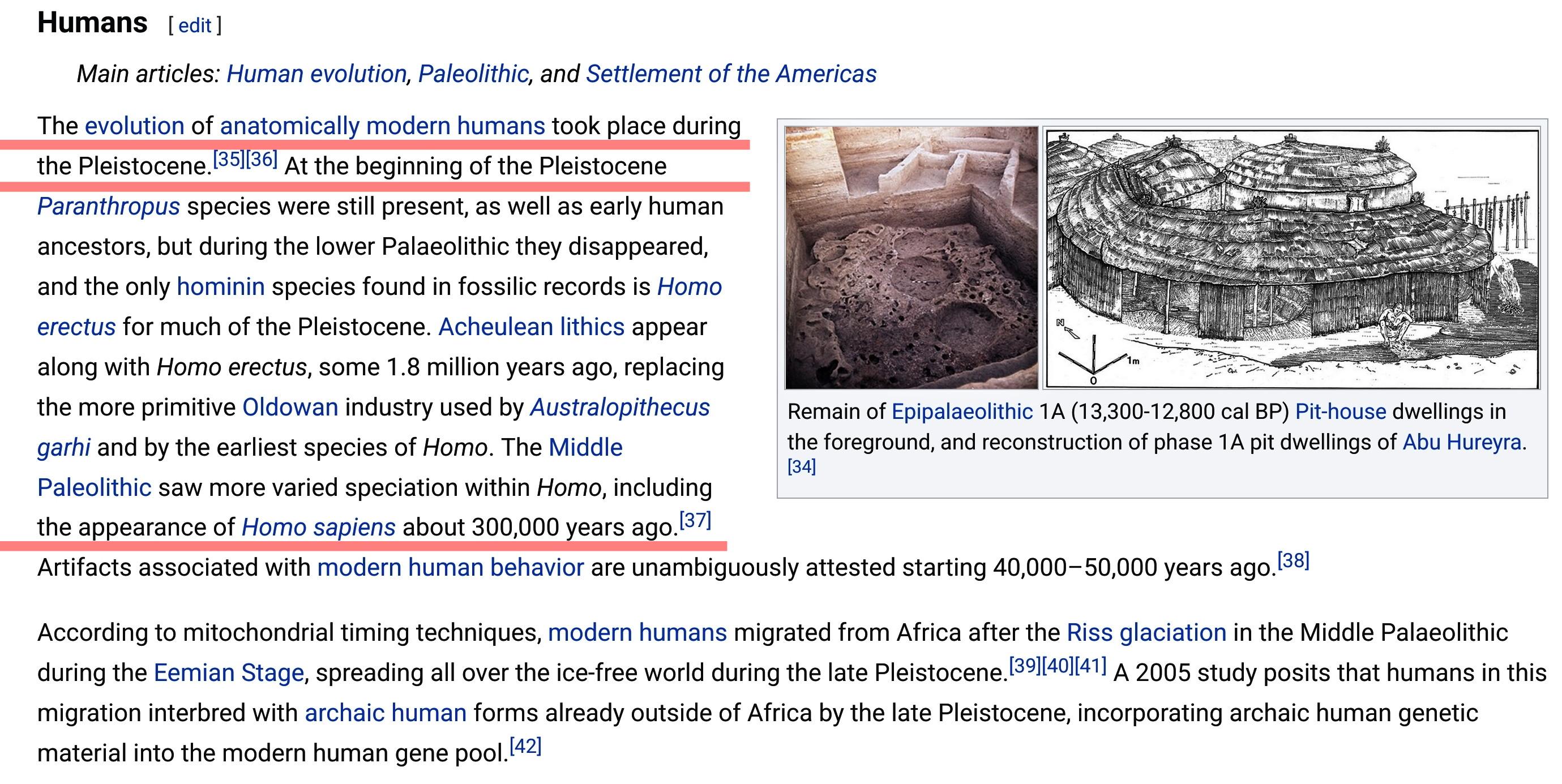
The evolution of anatomically #modernhumans took place during the #Pleistocene

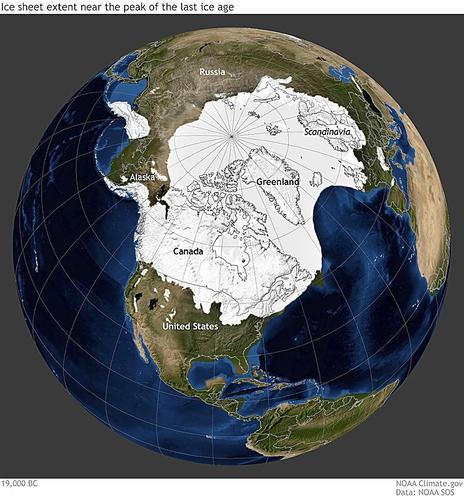
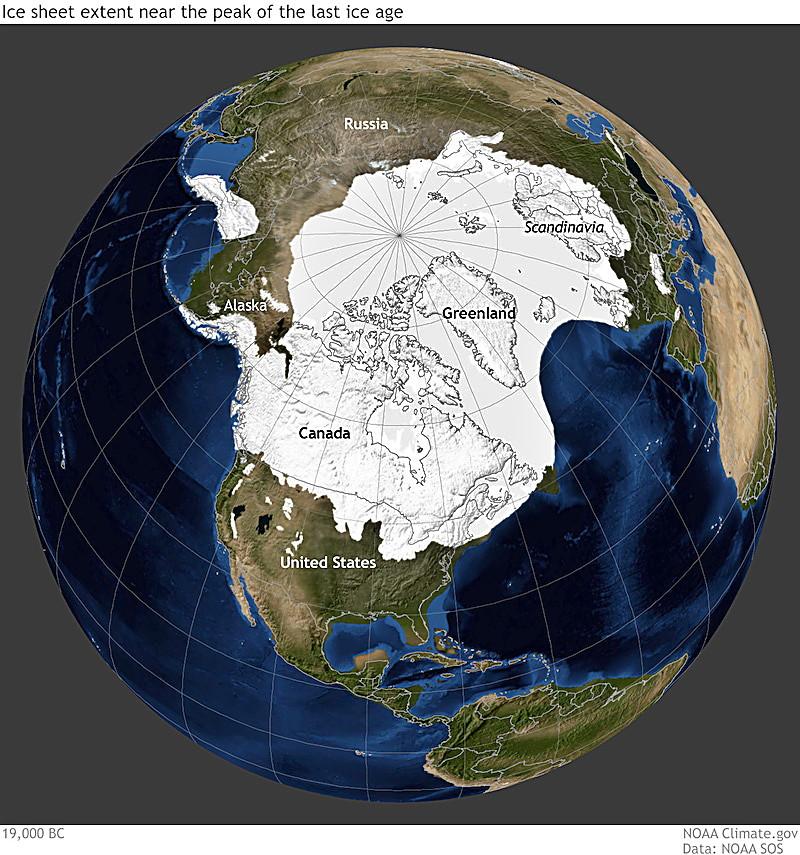
The #Pleistocene (the #IceAge) is the geological epoch that lasted from about 3 million to 11,700 years ago, spanning the Earth's most recent period of repeated glaciations

@ZhiZhu
Thx 4 orig Pub boost

https://en.wikipedia.org/wiki/Pleistocene

My spouse and I watched the first episode of the third season of Prehistoric Planet tonight and loved it.

I wish mammoths still existed. They’re like very fuzzy elephants. (Or maybe elephants are like much less hairier mammoths?)

#PrehistoricPlanet #FilmMastodon #History #Science #Mammoth #IceAge #Pleistocene

×

@FelisCatusDomesticus @PugJesus
RE
amazes me how their ancestors learned to live that way and thrive in such a climate

Yea, humans, I guess a synonym could be "survivor" (anyplace on earth)

The evolution of anatomically #modernhumans took place during the #Pleistocene

The #Pleistocene (the #IceAge) is the geological epoch that lasted from about 3 million to 11,700 years ago, spanning the Earth's most recent period of repeated glaciations

@ZhiZhu
Thx 4 orig Pub boost

https://en.wikipedia.org/wiki/Pleistocene