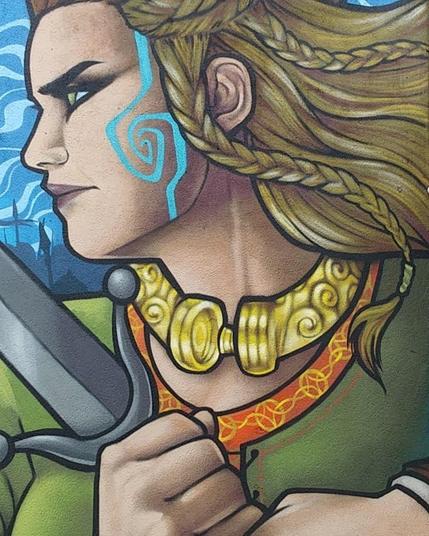
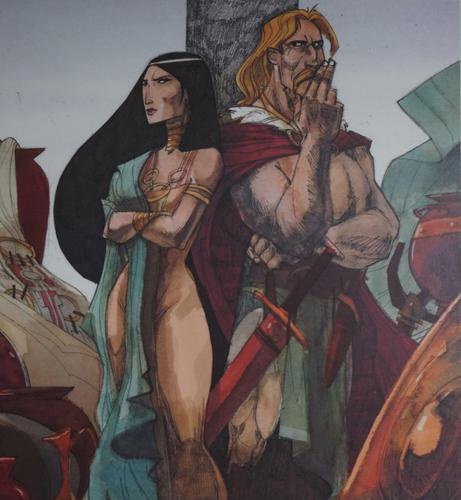
#MythologyMonday #Celtic: `"Let our goods and our riches be put beside one another, and let a value be put on them," said Maeve, "and you will know which of us owns most." "I am content to do that," said Ailell.
With that, orders were given to their people to bring out their goods and to count them, and to put a value on them. They did so, and the first things they brought out were their drinking vessels, their vats, their iron vessels, and all the things belonging to their households, and they were found to be equal. Then their rings were brought out, and their bracelets and chains and brooches, their clothing of crimson and blue and black and green and yellow and saffron and speckled silks, and these were found to be equal. Then their great flocks of sheep were driven from the green plains of the open country and were counted, and they were found to be equal; and if there was a ram among Maeve's flocks that was the equal of a serving-maid in value, Ailell had one that was as good. And their horses were brought in from the meadows, and their herds of swine out of the woods and the valleys, and they were equal one to another. And the last thing that was done was to bring in the herds of cattle from the forest and the wild places of the province, and when they were put beside one another they were found to be equal, but for one thing only. It happened a bull had been calved in Maeve's herd, and his name was Fionnbanach, the "White-horned." But he would not stop in Maeve's herds, for he did not think it fitting to be under the rule of a woman, and he had gone into Ailell's herds and stopped there; and now he was the best bull in the whole province of Connaught.`
Source: Cuchulain of Muirthemne by Lady Gregory
 1. Neu-Kelte 🌻💙💛🌻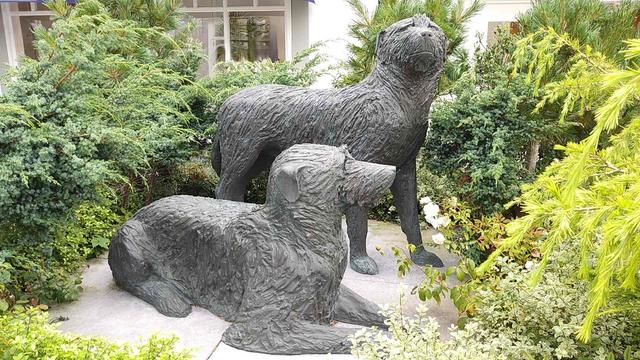
 David Castleton (Author)
 Jussi
Jussi
 The Godyssey Podcast
 The Godyssey Podcast
 Bevan Thomas
 Neo Ehproque
 Noam writes