The Last Shift

A forgotten cotton swab in an old cabinet brings back the memory of a terrifying afternoon on the road, the indifference of crowds, and the quiet dignity of a stranger's last day at work.

https://my-notes.dragas.net/2026/05/06/the-last-shift/

#MyNotes #Life #Memories #Reflections
The Last Shift

A forgotten cotton swab in an old cabinet brings back the memory of a terrifying afternoon on the road, the indifference of crowds, and the quiet dignity of a stranger's last day at work.

The Last Shift

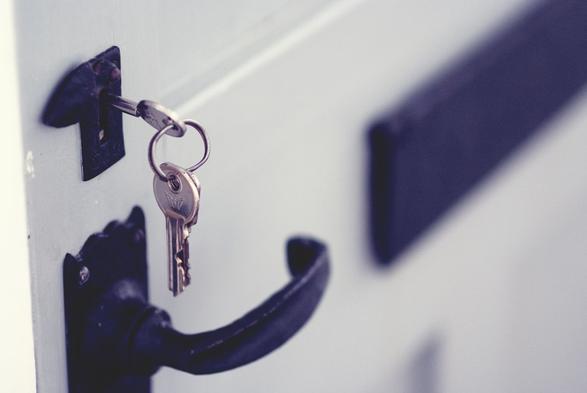
Photo by Zoshua Colah on Unsplash

While I was doing some work around the house, a screwdriver slipped and I gave myself a small cut on my hand. Nothing serious, but I decided to disinfect it and put on a plaster. But where are the plasters? My wife thought she had put them in the bathroom cabinet, but... nothing. Failing that, I remembered there were some in the cabinet that had been moved - eleven years ago - from the old house. Old, perhaps, but probably still usable. When I opened the cabinet, I found a small cotton swab, still sealed, whose existence I had completely forgotten. I smiled - which drew my wife's curiosity - because...

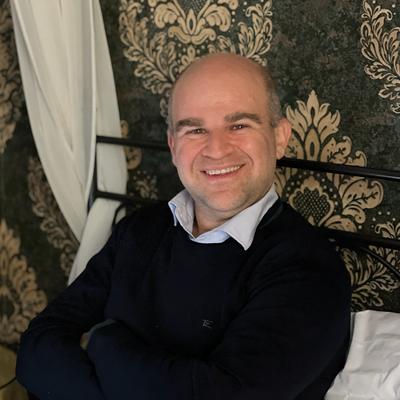
That afternoon in 2011, I was on top of the world. I was getting ready for a series of connected events I had been looking forward to for some time. I was going to an introductory meeting with an important potential client - one that would have allowed me to do wonderful things - and then a journey of around 150 kilometres to somewhere else, for a rather important evening, and the following morning, another work meeting. In those two days I would lay the foundations for my entire future and, after such a long time, I was truly, truly proud. I looked at myself in the mirror before leaving the house, and I liked what I saw. My smile was full, rich, bright. I decided to take a photo of myself in front of the mirror, to capture that moment.

Keys - taken. Wallet - taken. Laptop - of course. Suitcase with everything I'll need - yes. Does the car have a full tank of diesel? Yes. After closing the shutters and taking one last satisfied look at the living room, I locked up and got into the car.

The Thick as a Brick CD - to get myself going - and off. The journey went smoothly, filled with thoughts about what I would propose, how I would play it. And the meeting was a success: their situation was a disaster, and my project would give them stability within a few days. They approved it immediately, without any hesitation. In the meantime, an unexpected message had arrived, which I only saw at the end of the meeting. This message carried considerable weight - perhaps as much as the previous meeting, though in an entirely different context - and I read it twice, feeling my heartbeat shift. I arranged an evening programme, given how close my hotel was to this person.

I put on the Thick as a Brick CD again, this time turning up the volume and driving more calmly. I watched the people in the other cars and tried to read their expressions. Now and then, someone would look back at me. Who knows whether my expression gave away my emotions. What I do know is that I got a few smiles in return.

While I was comfortably overtaking, I felt something strange in my mouth. I paid no attention - I had eaten a sandwich not long before - and carried on singing. Until the moment I glanced down and saw fresh blood on my shirt. I pulled down the sun visor and looked in the mirror. My entire mouth was red, and a trickle of blood was running down my face. I opened my mouth and saw a whole pool of fresh blood, with no way of understanding where it was coming from. I froze. I turned off the music. I indicated right and pulled into the first service area I could find.

I couldn't make sense of anything. On instinct, I just thought about rinsing. I opened a small bottle of water I had brought with me, rinsed and spat out of the car door. Again and again, but the more I rinsed, the more the blood increased. The pool beside my door had become enormous, swelled by the blood diluting with water. I decided to run to the service station bathroom.

I don't like the sight of blood - but I immediately thought to bring my bag with me, with my precious laptop inside. They get stolen all the time, precisely when you're travelling alone and you step away toward the bathroom. The blood kept flowing, kept filling my mouth. That taste, that terrible taste, wouldn't leave me. I couldn't understand. The more I tried to find the source, the more agitated I became, the more it accumulated in my mouth.

I started to feel dizzy. I couldn't tell whether it was from the fright or from losing too much blood, but in either case, there was no time to work it out. I decided to sit down, not far from the sinks, on the floor. The service station was fortunately clean, and various people were coming and going. I had come from a work meeting - I was well dressed, with my bag. I was pale, my shirt stained, and visibly worried. I decided to half-close my eyes for a moment, without allowing myself to faint - and I decided that no, I was not going to die there, like that.

Meanwhile, dozens of people came and went. Lorry drivers, family men, businesspeople, young people and not so young - it was a busy service station at peak time. And I was there, worried and deeply ashamed, sitting in the corner of a motorway service station bathroom, alone, with blood coming out of my mouth. Many people saw me. Nobody asked if I needed help. I didn't need help - I would have asked - but nobody cared. Nobody alerted the staff. At best, I was invisible. At worst, someone to glance at sideways with disgust.

I could have cried - from shame, from fear, from the sense of emptiness. Then, all at once, I understood that no, I was not going to die in this corner of a service station, and that, in fact, the bleeding had stopped a few minutes ago.

I waited a moment longer and stood up. I rinsed the shirt - cold water removes fresh blood, a friend had taught me - and decided I would change it as soon as I got back to the car. Or perhaps not - what if the blood started flowing again?

I rinsed my mouth once more and returned to the car. I saw the pool of my blood beside the door, stepped over it, and continued on my way, with the headache of someone who had come close to passing out.

After about ten kilometres, I felt the taste of blood again. I opened my mouth and saw it was coming from a tooth - that wisdom tooth. It had decided to push through on exactly that day, far from home, with such important plans ahead. I reassured myself and simply managed the situation. I understood that by breathing through my mouth and letting air in, it would stop. My dear old platelets - you just have to stop rinsing them away.

Calmer, I continued my journey to my destination, my hotel. I checked in and went to my room to have a long shower. I didn't cancel the rest of my plans, but adapted accordingly. I took off the shirt, looked at it carefully, and decided that if the blood didn't come out, I would dye it a dark colour once I got home. I checked that the others were in order - they were, and I always pack at least one spare. The shower was long and relaxing. I changed into the other shirt - the one I had packed not for work, but for the evening - and checked myself in the mirror one more time before going out.

That night I fell asleep very, very late. The room was exactly as I had left it - yet somehow emptier. And no, I wouldn't have wanted to be alone. I didn't feel calm. Yes, the wisdom tooth and the bleeding seemed to have stopped hours ago - but I was alone, in an anonymous, clean, sterile hotel room. And no, I wouldn't have wanted to die there either - I thought - though this time almost mocking myself for the excessive fear of the afternoon.

When I woke the next morning, I made an unpleasant discovery: the pillow and the sheets were heavily stained with blood. I felt guilty. White sheets, a wonderfully comfortable pillow - ruined. After a shower, I went down for breakfast, making sure to eat only soft things. I went back to the room and got ready for the next appointment, though worried about this new episode of blood loss.

I went down to reception to check out. The receptionist was different from the one the previous evening: an older man, professional, with a reassuring smile - but with wrinkles that showed the smile was simply a professional habit. I handed over the room key and explained what had happened, asking to pay for the extra cleaning or any damage my blood might have caused to their linen.

All at once, his smile became real. "You can't imagine what we find in the rooms", he murmured. And he asked me to wait. After about a minute, he came back with a small white bag. "These are two gum swabs. If it happens again, place one on the affected area. It will absorb the blood and help the wound close." He wouldn't let me pay for them. I thanked him warmly and said I hoped we'd meet again. "Oh, that won't happen. Today is my last day." As he said it, though, his smile shifted, and his face settled back into the shape of his wrinkles, until the greeting for the next guest.

"I've never understood what that thing is, but I suppose it's ready to be thrown away by now?" My wife knew about my adventure on that trip, but some details were and will remain mine alone.

"Nothing, just a swab to absorb blood in case of problems with a tooth. It's fifteen years old, but I want to keep it anyway."

She asked no more questions, and carried on looking for a plaster to cover my slight abrasion.

https://my-notes.dragas.net/2026/05/06/the-last-shift/

#Life #MyNotes #Reflections
The Last Shift

A forgotten cotton swab in an old cabinet brings back the memory of a terrifying afternoon on the road, the indifference of crowds, and the quiet dignity of a stranger's last day at work.

Anatoly's Mother

Anatoly's mother waits for her son's messages with the quiet, stubborn hope only a mother can have. In the space between one phone call and the next, war enters the house through silences, small gestures, and the unbearable weight of what everyone already knows.

https://my-notes.dragas.net/2026/04/22/anatolys-mother/

#Life #War #MyNotes
Anatoly's Mother

Anatoly's mother waits for her son's messages with the quiet, stubborn hope only a mother can have. In the space between one phone call and the next, war enters the house through silences, small gestures, and the unbearable weight of what everyone already knows.

Anatoly's Mother

Photo by Levi Meir Clancy on Unsplash

Anatoly's mother had her eyes lowered, beneath the table. "Why are you looking at your phone? The roast is getting cold!" She put the phone down with a quick, seemingly involuntary gesture. "I haven't heard from my son in two days. It happens, sometimes: at the front they have no signal, and until the mission is over, no one gets in touch. But this time... I don't know." We looked at each other for a second and reassured her. We all knew he was heading to the front, to replace a young man who had been seriously wounded. We all put on a mask of a smile and began to eat, talking about the usual trivialities people talk about over a meal: it was the 25th of March and spring was beginning to make itself felt. And Anatoly's mother, who has worked for our family for over ten years, had already started putting flowers on the balconies of the house. A way of adding colour to such a grey time.

On International Women's Day, Anatoly's mother was smiling. Her son had sent her a message with his wishes. He had been moved to the rear lines a few days earlier and, at last, could sleep in a bed. Could wash. Because in the trenches, he told her, days passed all the same, sleeping on the ground, without washing. And in those few hours of light sleep, the nightmare was always the same: the sound of a drone - the kind of drone that, if you hear it, it is already too late. But now, thankfully, he was calmer. Perhaps he might even manage to come home for a few days - who knows - to see his sisters. He wasn't convinced himself; he said it with conviction. The conviction of someone who hopes it might happen. "And you, Mamma, how are you?" She laughed, though moved: she was safe, in Italy, in a warm house with people who have treated her as part of the family for many years. With her aches and pains as age advances, she is well. And yet he worried about how she was doing.

Only a few months earlier, at the end of 2025, Anatoly's mother had received a message. "Mamma, I'm scared. I don't want to die." He was travelling to the front, knowing he would remain there - hopefully - for a long time. An early return would have been decidedly ill-omened, because you only come back early in two ways: wounded or dead. "You won't die, my son. Be brave." We have known her for many years; she is an extremely strong woman and could say nothing else. Her eyes, as she told us, said everything: she would have run there, to take him, to bring him home. But her country is at war and there was nothing she could do. Thirty-five years old, in good health and, like all his brothers, a handsome young man. Until a few months earlier he had been working in Poland, but at a certain point he had to return, and although all his older brothers were already at war, they needed him too. He accepted because he had no other choice. "And you, how are you?" Anatoly's mother smiled. "I'm fine, my son. I'm fine, don't worry about me." She told us this with a smile. The smile of someone who, every day, hopes a message will arrive from her son. "I'm fine, Mamma, don't worry." Even when he was under the bombs. Even when his friend was killed, hit by a drone.

On the morning of the 26th of March, Anatoly's mother was on her way back from the hospital, to collect test results from a few days earlier. When the phone rang, at an unusual hour and from a family member, she answered without a second's thought. Her expression changed instantly and her voice broke. They told her nothing, only that she was needed at home. She already knew what had happened. A mother knows without knowing. She packed in a rush, throwing into a suitcase whatever she could, and managed to catch the bus that same evening. Over twenty-four hours of travel expected, which would become many, many more.

Anatoly's mother said goodbye to her son on the 2nd of April, burying him in the local cemetery. The mud was so deep that the municipality had to intervene with heavy equipment to allow the ceremony to take place. The mayor published photographs. His friends, a video. She saw him for the last time, his face clearly recognisable and at peace, though marked by trauma and wounds. But they told her not to touch him: only the visible parts were still presentable. She approached his coffin and leaned down, supported by one of her daughters. She had always known - always known - it would end like this. But Anatoly's mother, like all mothers, had hoped until the very last that, at least for him, fate would have looked the other way. Their family is Catholic, but the funeral was celebrated by Orthodox priests: the Catholics were busy with Easter preparations and were unable to celebrate the funeral of young Anatoly. But none of this matters very, very much to Anatoly's mother.

https://my-notes.dragas.net/2026/04/22/anatolys-mother/

#Life #MyNotes #Reflections
Anatoly's Mother

Anatoly's mother waits for her son's messages with the quiet, stubborn hope only a mother can have. In the space between one phone call and the next, war enters the house through silences, small gestures, and the unbearable weight of what everyone already knows.

I'm Still Guybrush

Photo by Vadim Bogulov on Unsplash

A jolt. I check the time: it's early. Too early. But I know this state of mind, and staying in bed would serve no purpose. I hate it, but there's nothing I can do. I lifted my head and immediately felt the weight of my thoughts, of what I heard last night. An evening in which the hope - held for many years - of never again having to go to bed with certain thoughts, shattered.

Still carrying the scent of coffee, I put on my earbuds, started my music, and switched on my computer. The terminal was waiting for me, as always. I smiled.

bastille create new_project 15.0-RELEASE 10.1.1.1 bastille0
I entered my world, where time is measured in beats per second. I began to fly, through that series of words incomprehensible to most, yet dear and familiar to me. Those words don't judge me, don't accuse me, don't attack me. I feel safe, among the bits of my computer.

When I heard arguing, I would run to my room and close the door. I would switch on my record player, turn up the volume, and leave the present behind. Arguments and fights, or just ill tempers. Situations that were sometimes difficult - too difficult for a child, too thin to turn to food, too small to truly understand what was happening. No one could really comprehend. And I didn't want to talk about it with anyone, because the one time I had, it was later used to make fun of me.

When my first computer arrived, I was too young to use it for anything other than games - at least for a while - so I flew on fantasy alone. When I played Maniac Mansion, I was in that house with them. When it was Zak McKracken's turn, I travelled the world with him. I had no interest in finishing the game - only in seeing the "world" and discovering what was out there. When The Secret of Monkey Island arrived, I was in the Caribbean with Guybrush. I was Guybrush.

Inside my computer - inside that screen - everything was predictable. My video games were a safe harbour. No one would insult me, humiliate me, scold me. They were worlds where I could express myself without being judged. My brain was stimulated. I felt safe.

My mind is still desperately thirsty today - my spirit is still that of the child who travelled, and my safety, my world, are still my bits. The operating systems I love are my blank page. The keys on the keyboard spread the ink. The voice of the community, my friends - the people with whom to share a passion, and what makes the world a more liveable place.

I was testing the setup, with a satisfied smile, when the Monkey Island soundtrack began to play.

I looked out of the window and it was still dark. I turned my head forward and I was at my desk, with my Amiga, on a warm summer evening in 1991. In my eyes, the tears of a child setting off on a new adventure, shutting the whole world out of his room. For the first time, he was wearing the clothes of that character. For the first time, the warm breeze coming through the window carried the scent of the Caribbean. That child, that evening, was Guybrush.

I am still Guybrush.

https://my-notes.dragas.net/2026/04/14/im-still-guybrush/

#Life #MyNotes #Reflections
I'm Still Guybrush

A jolt before dawn, a terminal waiting in the dark, and the Monkey Island soundtrack pulling me back to a warm summer evening in 1991. The screen has always been my safe harbour - it just took me thirty years to understand why.

Two Seashells

A chance encounter with Ivan Graziani in the mid-nineties, a nod I didn't deserve, and the years it took to understand what he already knew about our sea and the places we leave behind.

https://my-notes.dragas.net/2026/04/11/two-seashells/

#MyNotes #Life #Reflections #Blogging

Two Seashells

A chance encounter with Ivan Graziani in the mid-nineties, a nod I didn't deserve, and the years it took to understand what he already knew about our sea and the places we leave behind.

Two Seashells

Photo by Othman Alghanmi on Unsplash

I was driving. Thinking. Listening to music. Resetting my mind. Left and right, haze, flatland and cultivated fields. I watched the road markings follow one another, all identical, in time with the prog-rock I was listening to. Hypnotic. They seemed to do it on purpose. I smiled. Suddenly, the mix changed, and one of Ivan Graziani's masterpieces began to play. And my smile faded.

When I was a teenager, I regarded him with suspicion. He had been born a few kilometres from me, many years earlier, had studied in my city, and yet he didn't appreciate it. Somehow, I disliked him. I liked his sounds, not his words - so hostile towards the places I held dear.

And yet his music made me fly. I would travel, remember. The few memories of a teenager, but already precious. His sea - my sea - I could have written those words myself. Or perhaps not, but the feeling is the same. Too complex for a teenager. I didn't think about it.

One evening I crossed paths with him, right in "our" city. I recognised him and gave him a nod. He returned it with a smile - eloquent, communicative. To an idiotic kid who still hadn't understood a thing. He, on the other hand, had already understood everything. A few years later, when I read about his death, it didn't touch me. He was young - but old enough and distant enough from me. Very distant. But he stayed forever young, and I, year after year, drew closer to him. In age, certainly. But I gradually understood that he had been right - oh, how right he had been - about so many other things. And his warm words became a comfort, breaking through the solitude, knowing I was not the only one to feel those specific emotions.

As he described our sea, the asphalt turned to sand and the road markings to waves. Yes, it is our sea he is singing about! I can hear it in the details. In the depth of the emotions. How much he missed it, just as I miss it now. We are like two seashells, he and I. We can be anywhere, but hold one to your ear and you will always hear the sound of the sea.

My smile returned, wider, calmer. If I could go back to that evening in the mid-nineties, I would thank him. But there is no need. He had already understood. Long before I could understand myself, long before life taught me to listen to my own voice.

Thank you, Ivan.

I flick the indicator. Time to park.

https://my-notes.dragas.net/2026/04/11/two-seashells/

#Life #MyNotes #Reflections
Two Seashells

A chance encounter with Ivan Graziani in the mid-nineties, a nod I didn't deserve, and the years it took to understand what he already knew about our sea and the places we leave behind.

The Usual, Thanks

Photo by Elimende Inagella on Unsplash

The day is drawing to a close and, before dinner, I sit down to read the news. The count from today's referendum is nearly over and the result seems fairly clear-cut. Some are celebrating, others "reflecting" on what went wrong. Everyone is talking. No one, by now, remembers what was actually being voted on. Perhaps, for the average voter, it never mattered. Perhaps the real subject didn't interest the politicians either. The purpose, as always, was a pure battle between parties.

That winter was cold - the kind of cold we haven't seen since - and that day I would gladly have stayed home, working from my slow but stable ADSL connection of less than 1 Mbit/sec. Poor even then, but necessity breeds resourcefulness. It was urgent, though. Necessary. Two words that have always made everything else seem secondary. The front door made an unusual sound - a delayed click. The ice had crept into the mechanism, and my nose immediately caught that scent of fog and snow together, so rare to find combined.

Had it been an ordinary day, I would have watched from the window, opening it now and then to savour that fragrance, stretching out an arm to feel the frozen flake settle on my hand, already chilled and dampened by the freezing mist.

The car was in the garage, but the moment I pulled out, the wheels showed signs of poor grip. Even winter tyres weren't enough. But motivation - that was more than enough. As I drove slowly, struggling to see the road through the thickening fog, I was already thinking about the potential new project they were going to propose. I had put forward a couple of ideas - in my view extremely useful and affordable - and they had shown a certain enthusiasm. But the journey was much longer than expected, so my mind wandered everywhere, without my even noticing. I wondered whether I would have made the same trip, in the same conditions, without this urgency. But urgency, when it concerns public budgets, must always be respected.

There were no parking spaces, except… a mound of snow. I didn't think twice and climbed on top of it, thanks to the rear-wheel drive, though I couldn't quite make it all the way. The car, being short, fitted within the allotted space. I smiled, and a snowflake landed on my forehead.

I headed straight to my contact's office. He greeted me with a triumphant smile. "You made it in this weather. You're a person of incredible motivation. Exactly what we need. We've had some ideas here, and we'd like to share them with you." I was about to speak, but: "We're confident our collaboration will be extremely long and lasting. We all agree. All of us."

That all of us, for reasons I couldn't explain, made my blood run cold.

Two other people arrived whom I had never seen before. They introduced themselves, courteously. In that moment I thought they must have been printing smiles in that office - identical ones. Or perhaps they were fraternal twins, separated at birth. I smiled too, to blend in with this carnival of good cheer, still without having said a single word.

"You are young, upright, well-regarded, respected. You work in an innovative, valued sector. You are someone who can be trusted, and we need you."

I strengthened my smile, turning it into my own.

"One of our current problems is the stagnation of the political class, in the face of demographic change. The elderly are dying, the young are growing up with different ideas, and there are many new arrivals. We're expanding demographically - and not through new births."

I put my polite smile back on, to mask the fact that I wasn't understanding a thing. I didn't even try, this time, to take the floor.

"Many people who come to live here weren't born here. They study, they graduate, and the many industries in our area attract them - drawing them to settle nearby. And you weren't born here, but you're a figure that many people know, esteem, and respect. You are the archetype of the new citizen, and that could be very useful to us."

But I didn't even live there. What were they asking me? I didn't understand - at first. But I sensed something strange in their request. It was time to clarify, but…

"It doesn't matter which political alignment you choose. These gentlemen are the local representatives of the two major parties, and both would be delighted to have you on board. The choice should be ideological, but try to be pragmatic. After all, both sides have their spheres of influence, and you won't lack for work, in the position you'll hold. People will seek you out because you think like them. And for us, a new face would be gold, in this moment of political disaffection."

My smile turned, abruptly, to paralysis. I tried to speak, but…

"You can always change your mind and switch to the other side. Some have done it, and although it may seem absurd, some voters appreciate someone who changes their mind - they see it as a human quality, like their own."

I interrupted him.

"Are you asking me to stand for election, in either of the two parties? I have no experience. No competence in the matter. Shouldn't I start from the bottom first?"

His smile became almost paternal, like the other two:

"My dear boy, it doesn't matter. You'll learn. Besides, people don't want experience - experience makes you cautious, and caution is boring. They want someone young, resolute, convincing. Tell them what they like to hear, with confidence. That will be more than enough. In the meantime, party dynamics count more than individual ideas." And their smiles turned into a laugh. Genuine, probably. Sardonic, to my eyes.

I froze, and decided to put their same smile back on.

"Thank you for the offer and for the trust. Without doubt, it's interesting. But I need to think about it - you must give me time. I would never have expected this; it wasn't in my plans. I need to reflect."

"Of course!" replied Stan (of Stan's Previously Owned Vessels). "Take all the time you want - we're always here. Just give us a sign and we'll always be ready to meet and give you all the details you need."

As soon as I stepped outside the building, I quickened my pace toward the Smart. The snow was bothering me now and I brushed it from my face with sharp, impatient movements. The mound of snow was still there, and so was my Smart. I accelerated to build some momentum and, without even realising it, went into a slight spin. I shifted the lever to D and pulled away, sharply.

I reached home in some indefinite stretch of time, my mind empty. I left the Smart outside and went upstairs, almost slamming the door to make sure it wouldn't freeze shut. I opened the fridge - full of everything - but closed it thinking: "Pizza." I went out again, this time on foot, to pick one up. A few words with someone, I thought, would do me good.

"The usual, thanks." Luca looked at me, probably thinking I had got out of bed on the wrong side, and said nothing more. The television, in the background, was showing the news. At one point an important national politician appeared, charming the journalists with their own words.

"Crooks. Phonies. Hypocrites. Only clinging to their seats, that's all they are" - I whispered in my mind. But, perhaps, not only in my mind. Luca looked at me, while with practised, expert gestures he stretched out my pizza, and said with a smile: "Only just worked that out, have you?"

https://my-notes.dragas.net/2026/03/27/the-usual-thanks/

#Life #MyNotes #Reflections
The Usual, Thanks

A snowy drive to a meeting that turned out to have nothing to do with IT - and a pizzaiolo who understood politics better than the politicians.

The Scent of Denial

Photo by Alexander Grigoryev on Unsplash

My wife's expression was distant. It was clear she had no interest whatsoever in seeing a photo from 2001, in which I was showing off a corner of my university bedroom, just to point out where I had placed my green iMac, bought second-hand at a very high price. But out of affection, she encouraged me and waited patiently.

When I found the photo, my attention shifted to a secondary detail: that anonymous white bottle, barely visible on one side. And I could smell it again - that sharp, acrid smell, now unbearable to me, that had followed me for a very long time.

I had just turned sixteen when my mother started saying she was finding my hair on the pillow. She was worried, and so was my father. Honestly - I had so much of it, it could only have been their obsession. It was beautiful, glossy, thick. I liked it, even though I kept it short for convenience. I was doing a lot of sport, so it made sense to keep it practical. But given everything we had been through in the years before, I didn't feel like arguing, so I simply acknowledged their obsession and went along with it. I showed no concern whatsoever - I washed it often, it all seemed firmly in place - but if it meant putting their minds at rest, I was willing to go along with their suggestions. The first of which was a visit to a dermatologist friend of the family. He was professional and kind and, as I expected, said I had a great deal of hair. But who knows - stress, genetics - it would be wise to act early, to prevent things from becoming a problem. Doctors. There was an entire line of products: incredibly foul-smelling ampoules to apply in the evening, designed to stimulate the hair follicles. So foul-smelling that after applying them, I had to sit still for around half an hour with a towel over my shoulders, and the pillowcase needed changing every two days because of the stains and the smell. Then in the morning, my hair had to be washed with that shampoo. A shampoo in a plain white bottle, anonymous. Expensive, but not outrageously so - the kind sold in pharmacies. The good news was that my hair really was glossy and beautiful. The bad news was that the whole thing had become a kind of slavery, and the smell of the ampoules lingered even after washing. At best, it mixed with the shampoo, creating something different. After a few months, I stopped noticing.

Time passed, and the visits, the ampoules, the washing continued. I looked at myself and genuinely didn't understand why any of this was necessary. But after what had happened, I thought it was something that reassured them, so I kept enduring it, going along with it. Of course I was irritated. It was a form of slavery. And that smell, which I had grown somewhat used to, was still different from the scent I would have wanted. But I put up with it, covering it by wearing a great deal of cologne and aftershave. My friends never said anything - in fact, they said I always smelled clean. They teased me gently, saying I smelled "too good" for a teenager, but in a positive way. I will be grateful to them for that for the rest of my life.

I was seventeen and in the changing room at school, after PE. That day I'd finished getting dressed before the others and had gone out to the entrance area. Everyone would gradually arrive there, including the girls from my class, so we could organise ourselves for the next lesson. That day, as class representative, I'd been tasked with asking the teacher to go over a topic again - a clever technique to try to avoid any kind of oral test - but I needed to coordinate with my co-representative, so we could make the request together and give it more weight. The changing rooms were at opposite ends - the boys' was at the far end of the corridor, the girls' had two doors but was close to where I was standing. One of the doors had been left open, so you could hear what was being said inside. Out of habit, I wasn't deliberately listening, but when I heard my name, curiosity got the better of reason - and of the lesson I already knew clearly at seventeen: sometimes it's better not to know.

A voice - one I didn't identify in that moment - said cheerfully: "...he can't cover that incredible stench of whatever it is he has on him. He puts on so much cologne, but it's pathetic because the smell still wins." And a general laugh broke out. My brain refused to identify that voice, or the laughter that followed. When someone stabs you in the back, you often don't want to know who is driving the knife in. It would hurt so much more.

The door opened and the first of the girls came out of the changing room. When she saw me standing there, and realised the other door had been left open, she froze. I decided to pretend nothing had happened, that I had heard nothing, and with a smile I asked if my co-representative was ready, as we needed to coordinate. Escaping her discomfort, she replied with half a smile: "Yes, she's coming. Bye!"

I never spoke about it to anyone.

When I got home, I made a decision: I would never put those ampoules on my head again. At most, I would keep using the shampoo. But the ampoules - no. I didn't explain why. I didn't want them to feel guilty about any of it. After all, even if in their own way, they were doing it for my good. And yet I felt trapped - without knowing how to get out. We agreed I would finish the current box of ampoules - there were still a few months' worth left - and then we wouldn't buy more. They were very expensive, but according to my parents, they were working. "Expensive, this placebo", I thought - and not just in financial terms.

A few months later came one of the highlights of the year: a Carnival party, organised by an important local association, where you could attend either in costume or well-dressed - jacket and tie - and only by invitation. I always had an invitation, thanks to my friends, and I looked forward to it every year. This time, though, everything was different: in the meantime I had turned eighteen and got my driving licence. When I got dressed at home, I looked in the mirror and liked what I saw. I hadn't used the ampoules for two days - to avoid the smell - and my hair was glossy and bright.

That evening I arrived by car and brought a friend along, who I signed in with me. A girl who was and would remain only a friend - but that evening, I felt genuinely good about myself. I was independent - my own car! I arrived with a beautiful girl - just a friend, of course, but all of it made me feel good - and I felt adult, accepted. Respected. There was dinner, then the after-dinner - the moment when they played music for our generation and people danced. It was the late nineties, disco music still had a pulse, even if its final stages, while we were in full bloom. At a certain point I got thirsty, took a break, went for a glass of water. I decided to stop by the bathroom to rinse my face and wash off the sweat. As I splashed water on my face, I was thinking about how wonderful the evening was, how marvellous it was to be growing up and becoming an adult. I looked up at the mirror, smiling the smile of someone who is happy. I looked straight into my own eyes - bright, full of energy - and then I saw something: above those eyes, my hair was thin. At the front, and on top. I tried moving it a little - maybe the sweat had flattened it? - but nothing changed. I froze.

A close friend walked into the bathroom. I looked at him. He looked at me. A moment - just a moment - and then he gave a small nod, the kind that doesn't need words. I pushed all the negative emotions back down, overwhelmed by the positive ones. This was me. This was really me. I ran a hand through my hair to put it back in order, and walked back into the ballroom, smiling, with an enormous sense of relief. I would carry on with the ampoules and that shampoo in its anonymous white bottle for years more.

Until life, like the bottle, came into colour.

https://my-notes.dragas.net/2026/03/21/the-scent-of-denial/

#Life #MyNotes #Reflections
The Scent of Denial

An anonymous white bottle in a 2001 photo brings back the sharp smell of adolescence - of treatments, hidden shame, and the night I looked in the mirror and finally saw what everyone else already had.

The Scent of the City

Photo by Lukas Tennie on Unsplash

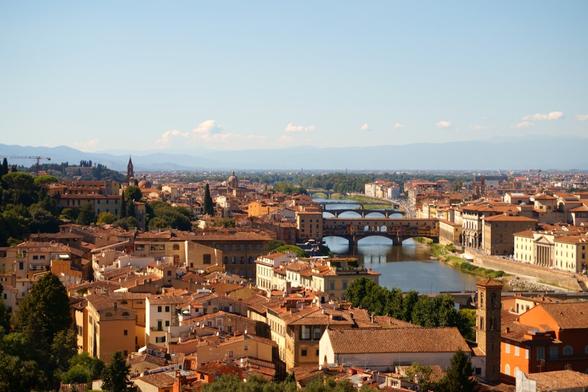
Morning errands in the city centre have a bittersweet flavour. The need to park far away brings a long walk which, depending on the day, can be either a punishment or a tonic.

This morning fell at that particular hour - the moment when every city releases its own scent. Like nature in spring, every city gives its best when the morning's activities begin to stir. Like when a curtain rises: the real theatre begins. The one where, in London, you could smell the Starbucks coffee everyone carried to the office. Too hot to consume on the go, scalding at just the right temperature to fill the air, otherwise already saturated with the smell of kebab. The one where, in Paris, you smell croissants and pain au chocolat, while the traffic on the Champs-Élysées reminds you that frenzy and poetry travel side by side, there. The one where, when I went to the market with my grandmother, it meant I would soon be eating my corn focaccia - the reward for... having eaten. Because, back then, getting me to eat was difficult, and they tried everything just to stop me wasting away.

And crossing Corso della Giovecca, you catch the stately, ancient scent of the old hospital. A place of care, respect, and reverence - the way hospitals were once regarded. Different and distant from the smell of disinfectant in the new one. Brighter, certainly. Precisely - more sterile. Smells that are familiar to me - like when I used to visit my parents at work, in a hospital too, but hundreds of kilometres from here. Yet the sensations remain the same.

The Palazzina Marfisa d'Este opens its ancient door and, from within, that unmistakable scent of old walls, mingled with the perfume of the flowers in its garden and freshly cut grass. And then the bars - from which drifts the aroma of espresso, typical of Italian bars - and the older the barista, the further back in time that scent carries you. The many buildings, at that hour, see their occupants stepping out to reach their destinations. Peeking inside, you glimpse damp courtyards, well-kept gardens, car parks. Or heaps of useless clutter, mixed with mould and weeds. Bicycles - oh, so many of them - everywhere. And each one emits its own perfume, its own smell. As people reach their destinations, these places come alive, and from their freshly reopened doors comes the scent of that building's era: the ancient ones smell of damp, almost of mould - but a precious, ancient mould. The merely old ones carry the typical smell of their era. For someone like me who has already lived through a few decades, these scents are somehow linked to memories of my own life, lived in buildings of that period. The modern ones, by contrast, smell of newness, of the future. Perhaps a little sterile, but clean.

Arriving in the main square, the distance between the buildings frees the air, and you breathe in history, antiquity. The many university students, sitting at tables talking about their insurmountable problems - love affairs, exams, accommodation - carry the mind forward, connecting past to future. Speaking of the present. And the scent is tied to whichever drink is fashionable at the moment, always surrounded by the unmistakable aroma of cappuccino. I'm not a cappuccino lover, but that scent takes me back to my university years. Then as now, in Bologna, I liked walking to lectures. Three and a half kilometres through the city centre, crossing streets full of bars, trattorias, hotels, hostels. Flats of young students stumbling out of their doors, still half-asleep, their faces still bearing the marks of the long night before. Like the nights I spent with my flatmates - sometimes until four in the morning - sitting on chairs, laughing, joking, chatting, talking about everything and nothing. Dreaming of the life we - hoped - we would have.

But the scent that envelops Ferrara in the morning is mainly one: bread. The coppietta, but not only. Every kind of bread, expertly prepared by artisans or bakeries that still contribute to the beauty of the landscape with an unmistakable, unique perfume. Bread that I remember, as a child, on my aunt's table. She wasn't from Ferrara, but she loved that kind of bread all the same. I liked it, yes, but it was... how to put it... exotic. It was the scent of the trip to my aunt and uncle's house, which I loved so much. Also because my uncle had a PC - which I didn't yet understand, except that the files I could run were the ones marked .com, .bat, or .exe - and it looked so professional!

Then, as the hours pass, the scents shift to the residential streets, which, with windows open, enrich the air with the aroma of ragù - each one different, mind you! - prepared by the person who lives in those places, following the ancient recipe of their mothers, grandmothers, great-grandmothers, in a ritual that remains unchanged despite the passing of time. Just as my grandmother used to do. Just as my mother does. As I do myself.

When evening falls, the scents change. The aroma of cappuccino transforms into spritz. That of bread becomes pizza. That of ragù turns into roast. Even Marfisa d'Este changes its scent, because the open windows and the coming and going of people have altered its atmosphere. And when people return to their homes, they imbue the buildings with a different aroma. All day long, they will have turned on air conditioners, opened windows, set out fragrances. But, all at once, they return to silence. And the silence, in the night, will restore their dignity and their original character. Because people, with time, come and go. They appear and they vanish. But the scent of the city - that remains.

https://my-notes.dragas.net/2026/03/13/the-scent-of-the-city/

#Life #MyNotes #Reflections
The Scent of the City

A morning walk through Ferrara becomes a journey through scent and memory - from London coffee to a grandmother's market, from ancient hospital corridors to the unmistakable perfume of fresh bread.