 Crazy Mad Doctor
🐵👀 No mires a los ojos de mi mono... o te arrepentirás 😈🎶
https://www.youtube.com/watch?v=lY2-r7VVr0w

🐵👀 No mires a los ojos de mi mono... o te arrepentirás 😈🎶
https://www.youtube.com/watch?v=lY2-r7VVr0w
🐵👀 No mires a los ojos de mi mono... o te arrepentirás 😈🎶
https://www.youtube.com/watch?v=lY2-r7VVr0w
🐵👀 No mires a los ojos de mi mono... o te arrepentirás 😈🎶
https://www.youtube.com/watch?v=lY2-r7VVr0w
🐵👀 No mires a los ojos de mi mono... o te arrepentirás 😈🎶
https://www.youtube.com/watch?v=lY2-r7VVr0w
🐵👀 No mires a los ojos de mi mono... o te arrepentirás 😈🎶
https://www.youtube.com/watch?v=lY2-r7VVr0w
4-Jun-2025
Permanently frozen palsa mires can be lost by the end of the century
I didn't even know the word:
#PalsaMires are #permafrost #mires that are characterized by peat mounds, called palsas, that remain frozen even in summer. Palsa mires occur in areas characterised by low precipitation, strong winds, thin snow cover, and an average annual temperature below -1 °C.
https://www.eurekalert.org/news-releases/1086384 #science #arctic #ClimateCatastrophe #environment
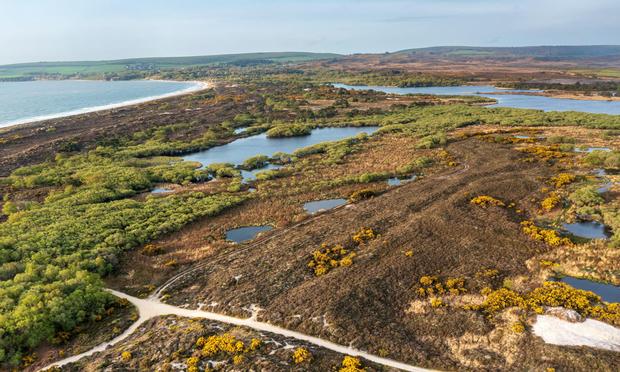
Floating #spiders and insect-eating plants: leaky dams revive #Dorset’s bogs https://www.theguardian.com/environment/2024/feb/21/floating-spiders-and-insect-eating-plants-leaky-dams-revive-dorsets-bogs
"Bales made out of #heather and bunds constructed out of peaty #soil and timber are being used to create porous dams on two #mires... they encourage the water to seep away slowly and 'rewet' the dried-out mires... it will create a wetter habitat, where #mosses and rare #plants like marsh #saxifrage and tiny bog #orchids can thrive."
 michael
 Lukas VFN 🇪🇺
 Thomas Grabs
 SebastianLeist
 Gabriel