Post Luctum – Timor Lucis Review By Kenstrosity

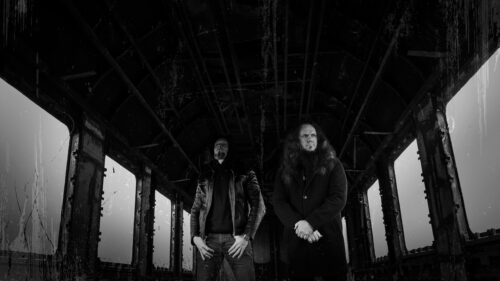
Even with someone as infinitely absorbent as this sponge, things slip through the cracks sometimes. In 2019, I gave a shout to Post Luctum’s debut EP After Mourning, citing its very promising funereal pall as a welcome comrade to contemporary heavy hitters like Altars of Grief and Slow. Somehow, some way, I completely missed not one, not two, but three full-lengths from the Maryland-based solo artist in the span between then and 2026’s Timor Lucis. But it couldn’t have come at a better time, with the inclement weather demanding tunes of a dour, reposed, overcast character. The only variable left is how much Post Luctum changed in the years since my last visit.

Aside from overall recording quality and songwriting polish—both of which have improved significantly over the course of seven years—Post Luctum are exactly as I remember, just more refined. Like a friend for whom time apart never creates a mire of awkwardness at the point of reunion, mastermind Ian Goetchius’ slow and steady despair rings with the same earnestness that made After Mourning such a striking proof of concept. At once, I feel comforted and warmed by Timor LucisSlowed melodies, chilled by its Altars of Grief-like eulogy, and heartened by post-metallic touches that evoke hints of In Mourning or Latitudes. It’s a reliable sound that should be familiar to anyone who partakes of the funeral side of the doom spectrum, and Post Luctum applies it with poise and passion.

Timor Lucis by Post Luctum

As the crooning cleans of “Approaching Light” give way to the lumbering march of the deadly “Shrouded by the Sea,” Timor Lucis envelops me in a kind of sorrow that pulls me into full immersion with an uncanny ease. Almost an autonomic response beyond my control, this immersion feels akin to immediacy in the context of this music, where memorability is found not so much in individual notes and compartmentalized verses, but rather in moods and moments of emotional significance. Even as songs gently coast from a desperate roar to a delicate breeze (“Sunken Fate” into “In Water”) to form notable highlights, I always recall the moment I heard it—where I was, what I felt, what visions these sonic waves summoned from my thoughts—more vividly than the music’s corporeal form. A different impression than what many artists design for their audience, this experience is its own kind of magic. Difficult to conjure and even trickier to master, Post Luctum struck the right balance of texture, timing, and feeling to invoke such magic and impose its power on my mind, revealing Timor Lucis’ greatest strength.

Curious, then, that once the final note fades into the ether, I struggle to find that pull which brings me back into Timor Lucis’ loving, tear-soaked embrace. As I continued my tenure with this record, I wondered if the root of that struggle was familiarity. Songs like “Disavowed,” “A Curse Now A Plague,” and “I Welcome In the Cold” reminded so strongly of the core of my funeral doom rotation (Slow, Un, Woebegone Obscured) that Post Luctum inadvertently guided me directly into their clutches, and I found myself forgetting about Timor Lucis. I realize now that this is the double-edged sword of the aforementioned strength this record holds. Immersive as it undoubtedly is, and as reliable as its writing is in achieving that immersion minute-to-minute, Timor Lucis simply isn’t bold enough as a distinct entity to draw me away from those acts it resembles with which I enjoy a deeper, more established relationship.

This dichotomy exposes one of the greatest challenges not just in reviewership, but also in songwriting from the perspective of the listener. A record is not made unworthy strictly because it is familiar, nor is my enjoyment of this material lessened by my personal history with the genre. Chances are good that I will return to Timor Lucis with a willing and eager heart over the course of the year. Equally, I acknowledge that it will never meaningfully challenge those records I deem the highest order in the style. On the other hand, you, the reader, might find this is your highest order. Regardless, Post Luctum deserves a chance to take you into its heart, and in the spirit of that truth, I offer my warm, albeit moderated, recommendation.

Rating: Good!
DR: 9 | Format Reviewed: 320 kb/s mp3
Label: Meuse Music Records
Websites: postluctum.bandcamp.com | facebook.com/postluctum
Releases Worldwide: February 6th, 2026

#2026 #30 #AltarsOfGrief #AmericanMetal #DeathMetal #DoomMetal #Feb26 #FuneralDoom #InMourning #Latitudes #MeuseMusicRecords #PostLuctum #Review #Reviews #Slow #TimorLucis #Un #WoebegoneObscured
Ennui – Qroba Review By Grymm

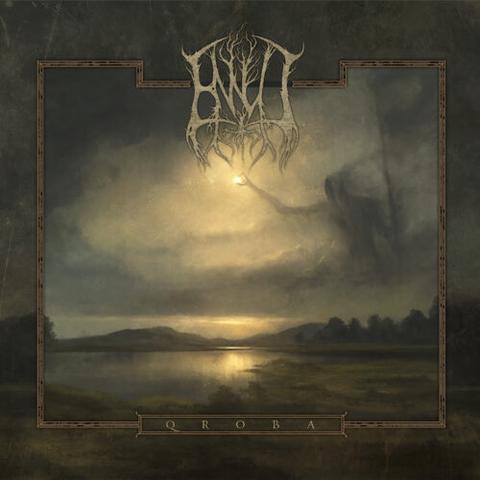
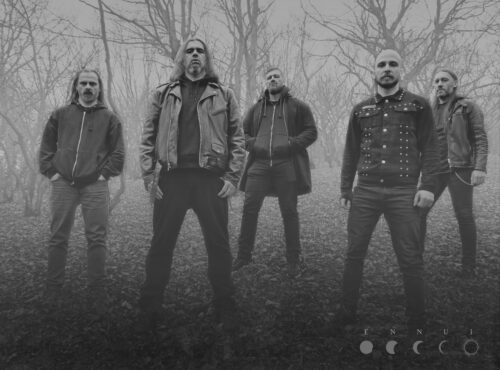
Got a question for you all: when’s the last time an album just absolutely, from out of nowhere, blindsided you and kept you enthralled for the entirety of its length on the first play? I don’t mean from your favorite bands (though that’s pretty damn cool, too), but from a completely out-of-left-field pick in the promo sump?1 Georgian funeral directors Ennui have been toughing it out with their craft since 2012’s Mze Ukunisa, with the then-duo working with what they had available. Now, the duo is a full-fledged band, and on their fifth album, Qroba, they hit graveyard paydirt.

From the very first moment the keyboards swell in opener “Antinatalism,” you know you’re in for some fun(erally dismal) times. Creeping at the pace of a drugged-out snail in the Antarctic region, “Antinatalism” brilliantly glistens while also dragging you through the icy snow with its crashing (and crushing) riffs and methodical drumming. When founder David Unsaved growls, it’s with the force of the bear from Annihilation after freshly devouring Daniel Neagoe (Eye of Solitude and a fuckton of other bands), further throwing the listener into a pit of existential despair and woe. Most impressively, at over 10 minutes, the time flies by effortlessly, due to its ability to draw you in and keep you enthralled for the entire length.

The other four songs on this 62-minute behemoth hold up pretty damn well themselves. The album centerpiece “Decima,” which features mournful melodies from a panduri (three-stringed lute) that accentuate the sorrow midway into the song, giving the album even more breathing room to expand and envelop you in its snare. “Becoming Void” sounds like Canto III on steroids, picking a fight with Turn Loose the Swans-era My Dying Bride for lunch money, and again feels like a six-minute song at over 15 minutes due to how well-crafted it is. None of the songs overstay their welcome, but they still feel like soulful journeys to a mournful end.


Produced by Greg Chandler (Esoteric), Qroba does an amazing job of giving breathing space while also smothering the listener. The drums feel cavernous and monstrous, plodding with intent. The scant few leads2 amplify the dour vibes a thousandfold, making damn sure there’s no light escaping this realm. If there was a nitpick to be had, this is the epitome of mood music. You’re not going to grab this on a warm, sunny day out in the sun with some lemonade and a book to read.3 Qroba is solemn, reflective music if there ever was some.

And this fits in quite well with other solemn, reflection-time music from the likes of Skepticism and Shape of Despair. Qroba came at a time when I didn’t know I needed it, with all the chaos going on around the world as well as in my own circle, but I’m glad it did, as this has been playing non-stop since I first laid ears upon it. If you’ve never taken to funeral doom ever, Ennui won’t change your mind, as this is sorrow personified and exponentially amplified. However, if you need a severe purging, welcome to your new favorite band.

Rating: 4.0/5.0
DR: 7 | Format Reviewed: 319 kbps mp3
Label: Meuse Music Records
Websites: Bandcamp | Facebook
Releases Worldwide: February 27th, 2026

#2026 #40 #Ennui #Esoteric #EyeOfSolitude #Feb26 #FuneralDoomMetal #GeorgianMetal #MeuseMusicRecords #MyDyingBride #Qroba #Review #Reviews #ShapeOfDespair #Skepticism

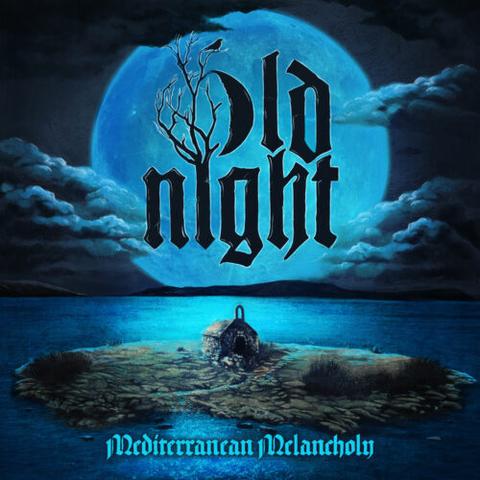
Old Night – Mediterranean Melancholy Review

By ClarkKent

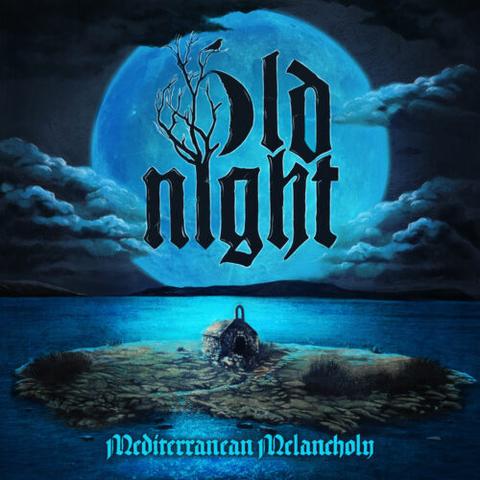
Loneliness is a theme ripe for the sadboi genre, and given the epidemic of loneliness in our modern era, it’s a relatable one. Yet Croatian doom outfit, Old Night, tackles a more obscure topic on Mediterranean Melancholy—lighthouse keepers.1 This record marks the quintet’s fourth since forming ten years ago, and it’s the first with Ivan Hanžek stepping up as lead vocalist, following the departure of his brother, Matej, who left for personal reasons. Sadboi doom is typically ape fodder, as evidenced by the glowing review for Dawn of Solace earlier this year, yet somehow this ended up in my lap. Time to find out if Steel Druhm will be shedding tears at this missed opportunity to review one of his favorite genres.

Old Night certainly has a lot in common with sadboi stalwarts, Dawn of Solace. They mix pensive cleans with harsher growls, leaning much more heavily into the cleans. Songs often begin with melancholic guitar leads, Insomnium-style, and delve into Novembers Doom-esque rhythmic chugs, but Old Night plays at a much slower pace than these other bands. These elements mix nicely on tunes like “Stormbirds,” where an Eastern-tinged melody combines with Hanžek’s solemn tones to tug at the heartstrings. It builds up to an impassioned call to “Unleash the storm / unleash the stormbirds,” among the record’s highlight moments. The formula throughout Mediterranean Melancholy is consistent, but breaks on the finale, “The Loneliness of Lighthouse Keepers.” This song opens with a bit of soft rock arpeggios before Hanžek croons about a lighthouse keeper and a man on the moon. It mixes magical realism with raw emotion and gentle strums with heavy riffs to wring tears from attentive listeners. It stands as the album’s emotional peak.

Compared to the likes of Dawn of Solace, Old Night proves to be a bit rough around the edges. This is most apparent in the vocals. Hanžek sings his heart out, but his pitch is all over the place. He fares better when singing at a lower pitch, such as the beginning of “Chasing Yesterdays,” but at higher volumes, his voice leans more shout-y than sing-y. Luka Petrović’s growls similarly lack the oomph required to be effective. A good growl here and there would certainly help to darken the tone, but it feels like Petrović holds himself back the few times he steps in. Instrumentally, Old Night fares better. On guitars, Bojan Frian and Ivan Hanžek excel at the sort of melodic leads that ooze sorrow. They strum some memorable hooks, though I wish these hooks had more airtime. The production doesn’t often allow Petrović’s bass to make itself known, but he lets loose with a nice bass line on the finale. Similarly, Nikola Jovanović commands the kit with some hefty, slow-paced beats that add to the record’s gravitas. These guys can play, but are let down by production and songwriting choices.

Underwhelming vocals are rarely a dealbreaker for me, but Old Night’s biggest issue lies in its songwriting. While the record wraps up at a tidy 43 minutes, each tune ranges from the seven to nine-minute mark, and not a single one earns its stay. While Mediterranean Melancholy features traditional song structures better suited to four to five-minute bites, Old Night pads each track with tedious instrumental passages and slow, repetitive choruses. Most egregious is “Ghosts,” which gets through its full progression after four minutes but continues on for another five and a half minutes, seemingly in search of a reason to keep going. Only “The Loneliness of Lighthouse Keepers” justifies going beyond six minutes, but even this could benefit from snipping a minute or two off.

Sadly, Old Night doesn’t quite scratch that sadboi itch. The elements are all there: the melodies, the lyrical content, the musicianship. Yet they fall prey to a common pitfall—bloat. With some cutting, Mediterranean Melancholy could have been a serviceable EP. As it stands, the long, meandering songs reveal how tough it is for doom to toe the line between causing listeners to shed tears of sorrow or tears of boredom. Next time I hope they can hone in on their strengths and trim the fat.

Rating: 2.0/5.0
DR: 7 | Format Reviewed: 320 kbps mp3
Label: Meuse Music Records
Websites: Bandcamp | Facebook | Official Site
Releases Worldwide: November 21st, 2025

#20 #2025 #croatianMetal #dawnOfSolace #doomMetal #insomnium #mediterraneanMelancholy #meuseMusicRecords #nov25 #novembersDoom #oldNight #review #reviews

Falling Leaves – The Silence That Binds Us Review

By Twelve

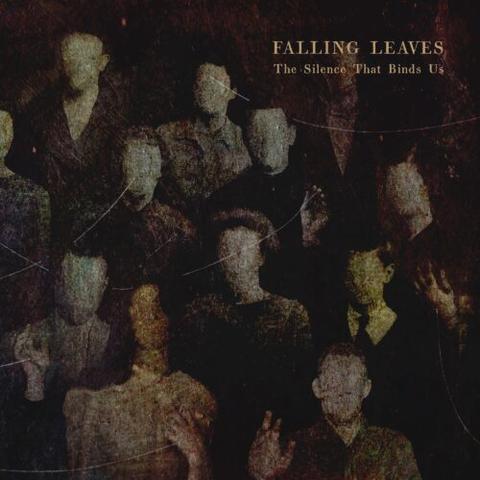
Doom metal and I have not been getting along much lately. I’ve noticed this in recent years—the slow, the sad, the funereal, it just doesn’t have the impact it used to. Even the stuff I used to love has fallen by the wayside a bit. But something about Dubai’s (originally Amman) Falling Leaves has compelled me to dust off my hat and give it another shot. Maybe it’s the gorgeous cover art. Maybe it’s the fact that The Silence That Binds Us is only Falling Leaves’s sophomore full-length, despite having been around since 2009, with their debut released in 2012. Thirteen years is a long time between albums, but few genres benefit from long, careful consideration like doom metal. Suffice to say, I came into this assignment with high expectations—and walked away with new love for the genre.

Strictly speaking, though, Falling Leaves are probably closer to the “doom/death” category than simply doom metal, because their music is so energetic. Still, it is mournful, blending thematic elements from Altars of Grief and Shape of Despair. It includes guest vocals from Paul Kuhr of November’s Doom, which is another likely influence. The pacing for The Silence That Binds Us ranges from the lively (“The Angel on My Shoulder”) to the dismal (“The Everlasting Wounds”), but while the music often feels powerful, it never loses its woeful overtures (Fabio Alessandrini walks a tightrope on drums, but does an exceptional job). Bashar Haroun and Kuhr’s vocal talents are mighty: there is plaintive singing, impassioned roaring, and more narration than I usually care for in my metal, but Falling Leaves pulls it off—often, the sudden clarity on the touching lyrics is welcome and Haroun has a gravitas to his delivery that suits it well. In all, The Silence That Binds Us has a lot going for it, a strong foundation to build some strong songs on.

Fortunately, Falling Leaves can write strong songs. Opener “Carvings” is some of the best death/doom I’ve heard in a long time; its chorus in particular towers over the listener with aching melancholy. Ariel Perchuk’s (Liliumdust) keys do some serious lifting—I could go on for the entire review about well-placed, sweeping keyboard work—but here it’s a simple piano melody that lifts the chorus from something great to something amazing (a similar effect appears in “We Are Alone”). On “Ashes of My Mind,” a heavy, devastating piece that greatly highlights Ala’a Swalha and Fadi Stanboulieh’s talents on guitar, it is Perchuk’s ever-present piano that keeps the music grounded in doom territories, contrasting pained tremolos and heavy riffs that complement baleful roars. Swalha and Stanboulieh’s seamless transitions from hard-hitting riffs to soft notes to weeping tremolos allow Falling Leaves to write with variety, and no two songs on The Silence That Binds Us feel overly similar.

All of this would be for naught—or, at least, for less—if The Silence That Binds Us didn’t sound good, but Falling Leaves has that base covered too. Dan Swanö’s master brings his trademark clarity to every moment. As is perhaps typical for this style of music, Ali M.’s bass is very much a background player, but listen to the stirring pre-chorus of “Carvings” and you can hear it driving the tension. This is a rare moment where the bass gets to shine, but its contribution is exactly what it needs to be. Really, my only issue with The Silence That Binds Us is its pacing. With only one song shorter than six minutes, it feels a touch overlong at fifty-one minutes. If I were to continue nitpicking, I’d say “Shattered Hopes” has such a strong “closer” feel to it that I feel like the songs that follow it meander a touch. That’s not a knock on the songs themselves, mind—just a statement on how much I love “Shattered Hopes.”

Falling Leaves are reigniting my passion for an entire subgenre. You can hear the amount of work that’s gone into The Silence That Binds Us. If it’s not actually thirteen years of painstaking writing and planning, then it sure sounds like it anyway. The songwriting is stellar, the performances are great, and it sounds amazing. Minor issues with pacing aside, I really can’t find much fault here. If you read this, Falling Leaves, please don’t make me wait a decade for the next one! Your music is much too good to keep quiet.

Rating: 4.0/5.0
DR: 10 | Format Reviewed: 320 kb/s mp3
Label: Meuse Music Records
Website: fallingleaves.bandcamp.com
Releases Worldwide: September 5th, 2025

#2025 #40 #AltarsOfGrief #DeathMetal #DoomMetal #FallingLeaves #Liliumdust #MelodicDeathMetal #MeuseMusicRecords #NovembersDoom #Review #Reviews #Sep25 #ShapeOfDespair #TheSilenceThatBindsUs #UnitedArabEmiratesMetal

God’s Funeral – El Despertar Dels Morts Review

By Angry Metal Guy

Written By: Nameless_n00b_605

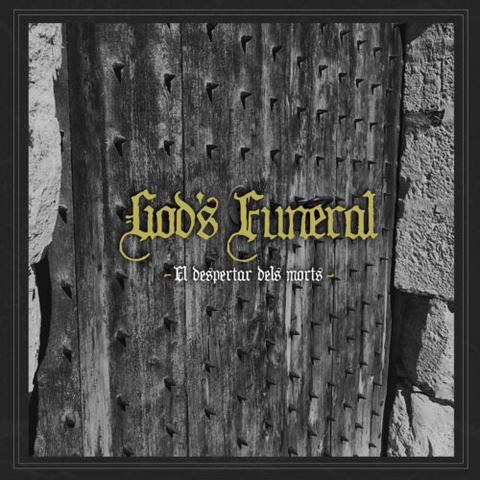
Metal is full of niche genres, and within that sphere, doom metal is full of unique variations. Funeral doom, doom metal’s basement-dwelling offspring, is as impenetrable a metal genre as some of the nastiest bands in the business. Trudging, droning song structures, distorted, bellowing vocals, and (as the genre tag suggests) the vibe of being at a funeral can make for a taxing listen on a good day. Nailing all these individual elements isn’t so much a challenge as a rite of passage, but truly meshing these staples together is a skill few bands possess. God’s Funeral joins the cacophonic dirge on their first LP, El Despertar Dels Morts. Hailing from Tarragona, Spain, can their brand of Catholic-guilt-infused funeral doom make a splash in the cesspool of sadness, or is it merely a teardrop in the bucket of filth?

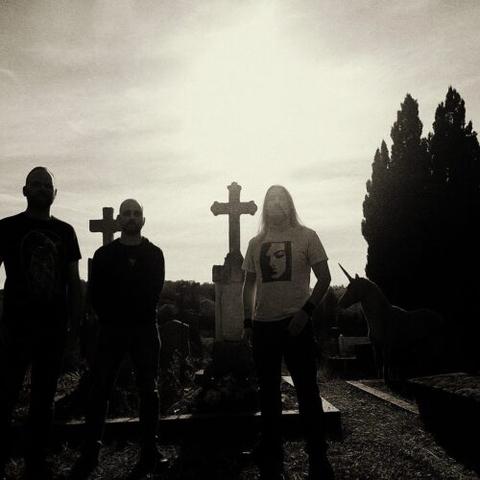
El Despertar Dels Morts has all the hallmarks of great funeral doom; roomy production offers space for naturalistic string arrangements and atmospheric organ playing. Lead singer Abel nails the classic funeral doom tone, with vocals that sound like they are recorded in the roomy basement of a moldy castle. The riffing from guitarists Naila and Juan is suitably churning and ominous, and Sergi’s drumming fills the deliberate void with hard-hitting playing. The kicker is that God’s Funeral nails production and musicianship, but misses the mark on nearly every level otherwise. From songwriting to editing, and from pacing to variety, El Despertar Dels Morts fumbles at every turn. In a five-track album spanning nearly fifty minutes, it is a struggle to find standout moments in a sea of nearly identical song structures, played-out riffs, and tedious vocals.

Where God’s Funeral bucks trends is in the most unfortunate places. Genre stalwarts like Ahab, DOOM:VS, and Shape of Despair feature similarly deliberate song structures, but break these up with vocal variety, melodic sections, left turns into death metal, and more. God’s Funeral eschews all of that, and the only notable moments of reprieve from the grinding, one-note style on El Despertar Dels Morts are the wonderfully rich-sounding string work that are a staple across the album, an epic organ section at the end of “Ara Que Torna El Silenci,” and the militaristic marching drum intro to “La Processó De Les Ombres.” It is telling that you have to reach for points of interest on this LP; they act like life rafts in a never-ending storm of monotony.

The back half of El Despertar Dels Morts is the strongest part of the album, if only for the fact that the songs stay under ten minutes. These last three tracks at least offer a glimpse at what God’s Funeral could be capable of with a lot more editing. “Fossa Comuna” is the standout track that exemplifies the best of what the band can do. An atmospheric bass intro leads to an actual beat that surpasses the downright sleep-inducing tempo of previous tracks, and the drumming sounds alive for once, finally helping a track rise above the sub-50 bpm droning that drags across the entire LP. While having an album that sounds similar throughout isn’t necessarily a negative, especially when that one song is a ripper, God’s Funeral missed the memo. Telling apart individual tracks on El Despertar Dels Morts is downright challenging. It pains me to be so negative about a band that is invested in their craft and obvious worshippers at the doom altar. God’s Funeral is so close on many levels, but it leans into genre tropes so intensely that they become repellent.

El Despertar Dels Morts is, finally, a monotonous listen that feels more like prepping for bed as opposed to reveling in the big sleep. Funeral doom is slow, it is atmospheric, it is crushing, and God’s Funeral does an admirable job attempting to turn these elements into a cohesive album. But the band draws from the same well too often, leaving El Despertar Dels Morts stylistically empty. In a genre that is already difficult to break into as a band and a listener, God’s Funeral has all the makings of a great addition to the pantheon, but it fails in the most fundamental elements. The band can play well, and the album sounds great from a production standpoint, but the most important part, the songwriting, sags at every turn. Fans of funeral doom may find some choice moments or good background listening with El Despertar Dels Morts, but unless you love the genre, this album won’t change any hearts.

Rating: 2.0/5.0
DR: 6 | Format Reviewed: 320 kb/s mp3
Label: Meuse Music Records
Websites: godsfuneral.bandcamp.com | instagram.com/godsfuneral.band
Releases Worldwide: August 15th, 2025

#2025 #Ahab #Aug25 #DoomMetal #DoomVS #ElDespertarDelsMorts #FuneralDoom #GodSFuneral #MeuseMusicRecords #Review #Reviews #ShapeOfDespair #SpanishMetal

Soliloquium – Famine Review

By Steel Druhm

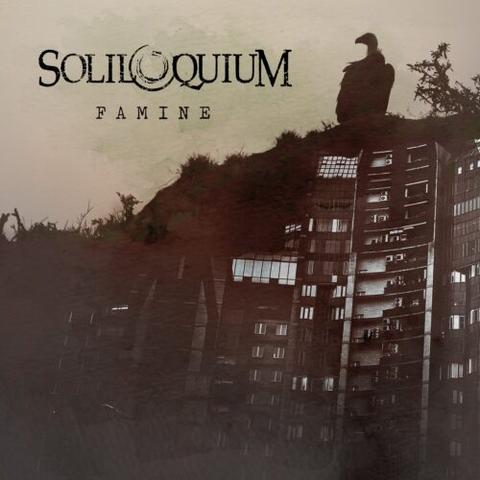
In my never-ending quest to accumulate as many bands as possible that remind me of tragically defunct Finnish doom-death legends, Rapture, I crossed paths with Sweden’s two-man project, Soliloquium, back in 2018 through their Contemplations album. It was an entirely pleasant slab of moody, emotive melancholic death borrowing from early Katatonia, Insomnium, and of course, Rapture. It scratched an itch and made me a fan. 2020s Things We Leave Behind hit just as COVID was starting its assault on the world, and the album’s downcast and depressive beauty became a staple in the House of Steel as we watched the world lock down and drift. Somehow, I missed that Soliloquium dropped a new album in 2022, and I almost missed their latest too. Famine is the band’s fifth release, and Stefan Nordström and Jonas Bergkvist are still steering the ship, though this time they invited lots of friends to help out. Can this depressive duo keep the weepy doom-death flowing like fine wine on a cold Swedish day?

Things start out promising on the wide-ranging title track. It’s in the usual Soliloquium modality, with morose clean croons and sparse melancholic guitar plucking giving way to darker tones with guttural death roars and blackened shrieks cropping up. Doomy harominies percolate and fall off, and the mood is kept dark and brooding. The equipoise between melodic trills and the crushing quasi-death-doom is well executed and convincing. Strong hints of October Tide and Swallow the Sun flow freely, and the feel of a brutal winter of discontent is achieved. At the 3:45 point, things seem to end, only to lurch back into what sounds like an entirely new composition, and by the end of the 6:37 runtime, the enterprise ends up feeling long but worthwhile. Far superior is “2 A.M.,” which perfectly encapsulates all that’s right with the Soliloquium sound. It has a lot of Rapture’s best elements blended in, and there’s some beautifully emotional guitar work here in the vein of Tuomas Saukkonen’s Before the Dawn / Black Sun Aeon style. Jari Lindholm (Enshine, ex-Slumber) provides amazing lead guitar work here, elevating the song several degrees, and the nods to Katatonia’s Brave Murder Day era are icing on the depression cake.

Other solid moments include the later era Anathema-esque fragile Goth of “The Healing Process,” where beautiful vocals from Bianca Höllmüller enhance the weepy charms; and the very Ghost Brigade-esque doom rock of “Poison Well,” where Chelsea Rocha-Murphy of Dawn of Ouroboros drops by to keep things despondent with her haunting vocals. I especially enjoy the death n’ roll bit that erupts around the 3-minute mark. “Själamörker” is also quite tasty. Sung in the duo’s native Swedish, Stefan Nordström effectively blends his sadboi cleans and mammoth cookie monster roars on a bulldozer of a tune that hits every doom-death trope. It’s heavy but sorrowful, crushing but melodic. Unfortunately, things go pear-shaped for the album’s final third, where the heavy reliance on clean singing turns out to be ill-conceived. The last 3 tracks all suffer greatly from vocal issues (Stefan’s or his guests) as clean but underpowered, droning, and overly twee vocal tones become prevalent. The songs themselves have good things going for them, but they can’t overcome the vocal shortcomings. At 51 minutes, Famine also suffers from bloat, especially on the final few “troubled” tracks.

While I’ve always appreciated Stefan’s death and blackened vocals, he wasn’t known for his clean singing, usually employing guest singers to do the job. Here, he tries to carry more of the load himself with mixed results. While he’s effective on “The Healing Process,” he too often adopts a static, droning Goth-rock style that feels weak, flat, and entirely lacking in oomph. This derails tracks like “Weight of the Unspoken” and the closing epic “Vigil.” On the plus side, his death roars and blackened rasps are spot on and as effective as ever. His guitar work is always high quality and a reason the material resonates, as he does a good job conveying a bleak, cold atmosphere across Famine, borrowing from all the big names in the genre for some inspired moments.

I’m a fan of what Soliloquium do and there are great moments of melancholic doom here, but the writing isn’t as consistent as before and the vocal shortcomings are sometimes glaring. If Famine stopped at “Själamörker, ” this would be a very good album. It doesn’t, though, and by the final act, the weaknesses begin to show through. Warts and all, Famine is still a worthwhile listen with some big moments. Fans of the sadboi ways should give it a chance and see how it hits them in the feelz. I still miss Rapture.

Rating: 3.0/5.0
DR: 6 | Format Reviewed: 320 kbps mp3
Label: Meuse Music
Websites: soliloquium.bandcamp.com | facebook.com/soliloquiumband
Releases Worldwide: April 11th, 2025

#2025 #30 #Apr25 #BeforeTheDawn #Contemplations #DeathMetal #DoomMetal #Famine #GhostBrigade #Katatonia #MeuseMusicRecords #OctoberTide #Rapture #Review #Reviews #Soliloquium #SwallowTheSun #SwedishMetal #TheThingsWeLeaveBehind

Soliloquium - Famine Review | Angry Metal Guy

A review of Famine by Soliloquium, available worldwide April 11th via Meuse Music Records.

Angry Metal Guy