And In Other News: Art & IT
Find out why Robin the Robot is one of TIME’s Best Inventions of 2021 <https://t.co/ALZX06fcjF> pic.twitter.com/ps2uIT6mcb
-- TIME (@TIME) November 10, 2021
Armenian Innovation! That’s the theme of today’s round-up, starting with the Yerevan-designed and built Robin the Robot, which has been named one of Time Magazine’s Best Inventions of 2021. The accompanying article refers to it as “The Compassionate Companion”, describing how Robin can communicate and play with hospitalized children, helping to allay the anxiety and fear they might be experiencing.
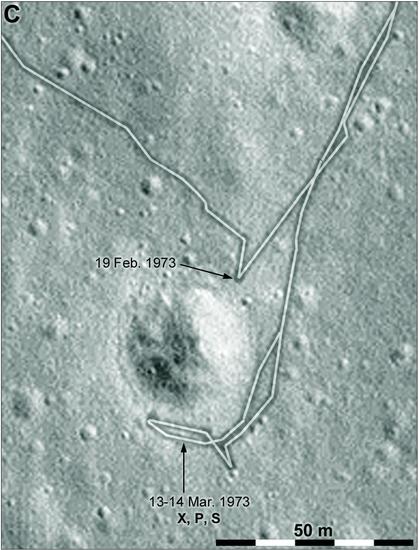
:@brianeno and STARMUS pay a tribute to Alexander Kemurdzhian, soviet-armenian engineer who designed first planetary rovers Lunokhod and Mars Rover Prop-M, by producing a music video to commemorate and celebrate his 100th anniversary.<https://t.co/rOlxyt1OcM>#kemurdzhian100
-- ✰ (@StarmusFestival) October 19, 2021
The International STARMUS Festival of science communication and art- rescheduled for Yerevan in September 2022 after being postponed due to COVID- paid tribute to the Soviet-Armenian engineer Alexander Kemurdzhian with this music video by Brian Eno, a pioneer of ambient music and experimental electronica.
Court Yard and walls are decorated with blue Armenian ceramics. These glazed tiles are an original Jerusalem art, prepared by local Armenian craftsman in 1928. Art of blue ceramics started in Jerusalem during the British mandate (1920-1948) when some of churches were restored. pic.twitter.com/vLPhRLt7m0
-- Archaeo - Histories (@archeohistories) November 5, 2021
The Archaeo-Histories Twitter recently highlighted the famous Armenian blue ceramic tiles of Jerusalem which have become a famed component of the city’s architecture.
This papyrus, dated to between the 5th and 7th centuries, is a stunning piece of history.
The material? Egyptian.
The script? The Armenian alphabet.
The language? Ancient Greek.
The text is like a phrasebook - it's key vocab and phrases for Armenians living in Hellenic Egypt! pic.twitter.com/mtkwCetDjH
-- Danny Bate (@DannyBate4) October 18, 2021
Ever wondered what Armenian written text looked like just decades after its invention? Read this thread about this fascinating piece of papyrus which contains one of the earliest surviving examples of Armenian lettering.
"Perry's Marines in Japan," 1920s ink drawing by Arman Manookian. Manookian, himself a US Marine, was an Armenian Genocide survivor who went on to fame as an artist in Hawaii.
Like I said, by following my passions and looking to Japan, I found Armenians along the way. I still do pic.twitter.com/WViXUk000Y
-- Dr. Nyri A. Bakkalian (@riversidewings) October 20, 2021
In the last round-up we brought you the unlikely story of the Armenian who created one of Japan’s favorite breads. While Japan might sound like a place about as far removed from Armenia as one can get, there is a surprising amount of crossover, like this Hawaiian-Armenian artist’s illustration of Commodore Matthew Perry’s 1853-4 expedition to Tokugawa Shogunate Japan, which attempted to end the nation’s over 200-year policy of isolation from foreign influence.
My first contact with Armenia was as a child, when my batik painting was shown in an international exhibition of children’s art in Yerevan. My first visit was in 1979. pic.twitter.com/3dORqZkscp
-- Helene Sand Andresen (@SandAndresen) October 20, 2021
The new Norwegian ambassador to Armenia has an interesting childhood story which presaged her appointment 40 years later.
Me and @gsmattu drove through stone quarries, hiked through high hills, got chased by shepherd dogs and finally reached the 7th century Khtzkonk #Armenian Monastery
This historic structure is located far away in a very secluded valley in #Kars Region, #Turkey pic.twitter.com/1Q3QR15zWg
-- Argun Konuk (@FellowPrimo) October 8, 2021
A duo of travelers recently explored the remaining Armenian cultural heritage of eastern Turkey, and have come across all sorts of fascinating finds, from the remains of old Armenian cemeteries and forgotten churches guarded by Kurds, to the descendants of Armenians at a car repair shop in Elazig (Harput), to even spotting khachkars outside a gas station in Van where they stopped to fill up.
1)So me and @FellowPrimo were trying to get to Horomos Monastery. Its in a military zone on the border with Armenia. I found a bad dirt track road, our car could just about handle it. We spotted a huge Khachkar as we drove on the bumpy road, we didn’t even stop to take a photo…
-- Avara (@gsmattu) November 4, 2021
They also made an attempt to get to Horomos Monastery just outside of Ani, in Eastern Turkey, which sits in ruins within a military zone overlooking the border with Armenia. Scroll through their Twitter accounts to follow along on their incredible adventure.
Our Tət-à-Tեt #2 with Collectif Medz Bazar is now online! Interviewed by our collaborator @kurdefurtif, @MedzBazar -a band with musicians of,, & descent- share their thoughts about peace, the backstage of their anti-war song "Vodki" & more.
<https://t.co/Cp56FPGrnO>
-- Bright Garden Voices (@brightgardenv) November 6, 2021
Finally see this interview by Bright Garden Voices with one of our favorite bands Collectif Medz Bazar. The band, which includes Armenian, French and Turkish members, reflects on what they learned during the Second Artsakh War and of their strong commitment against war and for reciprocal understanding.
The post And In Other News: Art & IT appeared first on CIVILNET.
#reportsinenglish #alexandurkemurdzhian #ceramics #khachkars #kurds #lunokhod #marsrover #robintherobot #timemagazine
 Phil Stooke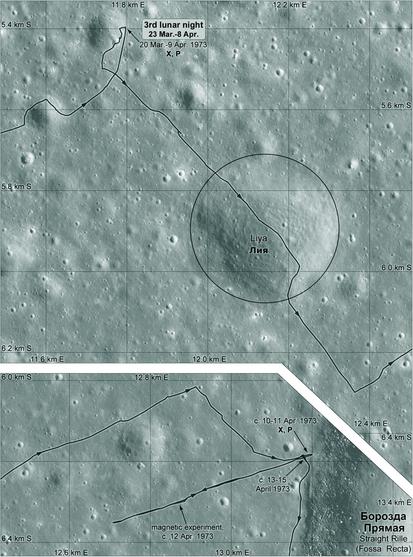

 Sternwarte_info

 bitcoin psychopath
 JoViKo Wi
 civilnet english unofficial
 RaphAstronome