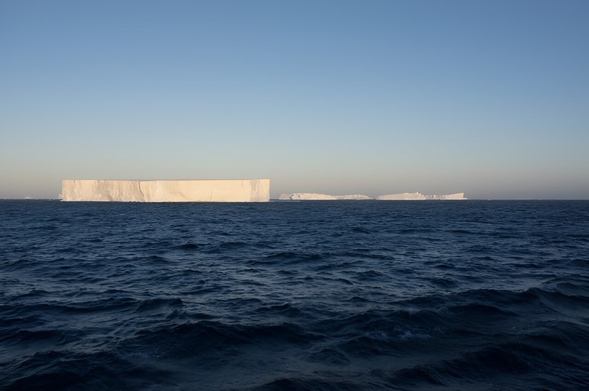
Journal of the Glacier and the Jungle
The Journal of the Glacier and the Jungle
Entry 1: The Glass Breach
February 3, 2019 | Location: 66°33′46″S, 60°45′12″W, Antarctic Peninsula
The air cut into my lungs like shards of glass. The silence was absolute. It was broken only by the squeak of snow under my boots, which is a sound unique to this dry and crystalline cold. At the base of a towering glacier wall, I stumbled upon a geographical fever dream. It was a patch of mush steaming faintly in the subzero air. It smelled of kelp and diesel. This was a pungent brine that had no business in a frozen wasteland. When I touched it, the texture clung to my glove. It was sticky and shimmering like crushed pearls under the pale sun.
As I scraped the substance away, a fissure groaned open. Inside was not more ice but a humid pocket of impossible greenery. The transition was violent. One step and the air became heavy and thick with the perfume of wet soil and rotting vegetation. Condensation dripped from overhead vines. My breath fogged differently. It felt heavier and slower as though the jungle itself was breathing in sync with my own panicked lungs.
Entry 2: The Warm Metal
February 5, 2019 | Location: 66°34′12″S, 60°44′01″W, near the Larsen Ice Shelf
The anomaly deepened today. Half buried in a shelf of ancient blue ice and inextricably tangled in tropical roots sat a craft. Its hull was seamless and obsidian smooth. It was inexplicably warm to the touch despite the surrounding frost. When I pressed my palm against the surface, I felt a rhythmic vibration. It was a low frequency hum like a massive generator buried miles underground. The air here was a sickening cocktail of metallic ozone and the earthy sweetness of jungle rot.
Then the craft exhaled. From the shifting hull emerged a figure. It was not the grey man of cinema. It was something hybrid and translucent. Its skin shimmered like frost under moonlight. Its eyes carried the weary and heavy recognition of an old soul. It did not speak. Instead it projected a set of coordinates into the silence of my mind: 8°40′12″S, 115°09′48″E.
Entry 3: The Banyan Echo
March 12, 2019 | Location: 8°40′12″S, 115°09′48″E, Bali Jungle near Ubud
The coordinates led me across the world to a banyan grove so dense it felt subterranean. The air was a suffocating blanket of humidity. It carried the scent of damp earth and frangipani blossoms. Deep beneath the sprawling aerial roots and tucked away from the eyes of tourists, I found it. This was the same shimmering mush I had touched in Antarctica.
The scent was unmistakable. It was saltwater and machine oil. When I pressed my fingers into the gelatinous sludge, the vibration began. The jungle hummed with the screech of cicadas. Beneath their organic rhythm was that same mechanical drone I felt at the Larsen Ice Shelf. I realized then that the glacier and the jungle were not opposites but two ends of a singular and hidden thread. They are a wormhole of biology and steel.
Entry 4: The Sealed Mirror
April 1, 2019 | Location: 66°35′00″S, 60°43′30″W, return to Antarctica
I have come back to the beginning but the door is locked. The fissure in the glacier has vanished. It is sealed as if the ice had never been breached. The tropical mush has been scoured away by the katabatic winds. This left nothing but polished and indifferent ice.
Yet as I stood there in the absolute zero of the Antarctic night, I pressed my ear against the glacier wall. I heard it. The hum was faint and vibrating through the permafrost. It echoed the cicadas of Ubud. The smell of kelp and diesel lingered like a ghost in the frozen desert. I knew then that these places are mirrors or portals or perhaps warnings of a world where geography is merely a suggestion.
Closing Note
The sensory overlap was real enough to shatter my faith in every map I have ever trusted. This includes the smell and the touch and the impossible humidity in a frozen waste. The coordinates remain etched in my mind. The hum still resonates in my bones. We are living on the surface of something much deeper than we understand.
Yes this was Ai, it was copilot with a simple prompt:
Create an incredible story around these 6 words. Jungle, Antarctica, mush, glacier, ufo, human.
#AntarcticMystery #ceritaPendek #ecoHorror #interdimensionalTravel #junglePortal #LarsenIceShelf #shortStory #supernaturalJournal #UbudCoordinates #UFOSighting #ZsoltZsemba The-14
 Zsolt Zsemba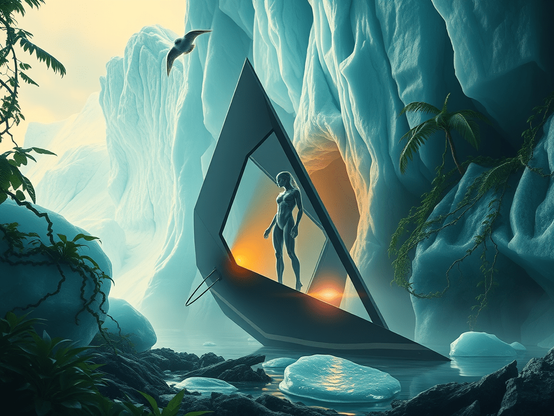
 WikiPicBot
 Ivi Choc
 O=C=O
O=C=O