 Conan the Sysadmin
Visit, if you dare, the ruins of an eldritch settlement in the archipelago beyond Khitai, dating back to soon after the end of the Hyborian Age. #Jomon #prehistory https://cromwell-intl.com/travel/japan/hakodate/ofune-site/?s=mc
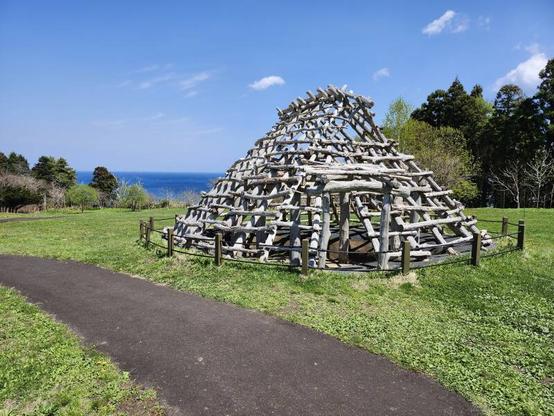
Visit, if you dare, the ruins of an eldritch settlement in the archipelago beyond Khitai, dating back to soon after the end of the Hyborian Age. #Jomon #prehistory https://cromwell-intl.com/travel/japan/hakodate/kakinoshima-site/?s=mc
 Kaijuville
Taking a Breath with Ethan Marcotte
An interview about video games.https://kaijuville.com/2026/06/05/taking-a-breath-with-ethan-marcotte/
Visit, if you dare, the ruins of an eldritch settlement in the archipelago beyond Khitai, dating back to soon after the end of the Hyborian Age. #prehistory #Jomon https://cromwell-intl.com/travel/japan/aomori/jomon-sannai-maruyama/?s=mc
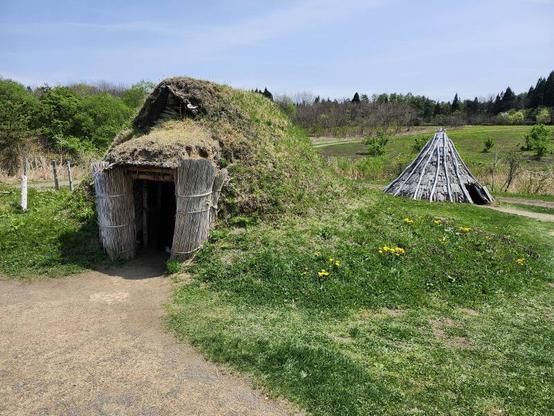
 martincidmag
A third ancestor was hiding in Japanese DNA, breaking the two-origin story
https://www.martincid.com/science/japanese-dna-hidden-third-ancestor-2/

 Faidit 🇪🇺
Il y a 10 000 ans au Japon, des chasseurs-cueilleurs construisaient des villages, inventaient la poterie et prospéraient sans agriculture. Comment le Jōmon, l’une des plus longues périodes préhistoriques connues, bouleverse-t-elle nos croyances sur l’évolution des sociétés humaines ?
#LEntretienarchéologique : #Jōmon : le #Japon au temps des chasseurs bâtisseurs
Lien de la page web de l'épisode: https://www.radiofrance.fr/franceculture/podcasts/l-entretien-archeologique/jomon-le-japon-au-temps-des-chasseurs-batisseurs-7564712
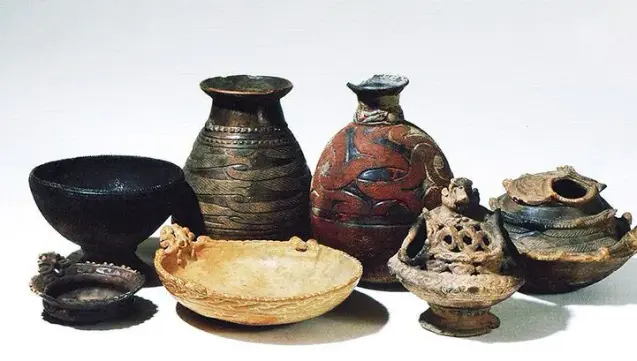
Jōmon : le Japon au temps des chasseurs bâtisseurs
Il y a 10 000 ans au Japon, des chasseurs-cueilleurs construisaient des villages, inventaient la poterie et prospéraient sans agriculture. Comment le Jōmon, l’une des plus longues périodes préhistoriques connues, bouleverse-t-elle nos croyances sur l’évolution des sociétés humaines ?
Visit, if you dare, the ruins of an eldritch settlement in the archipelago beyond Khitai, dating back to soon after the end of the Hyborian Age. #Jomon #prehistory https://cromwell-intl.com/travel/japan/hakodate/ofune-site/?s=mc
Visit, if you dare, the ruins of an eldritch settlement in the archipelago beyond Khitai, dating back to soon after the end of the Hyborian Age. #Jomon #prehistory https://cromwell-intl.com/travel/japan/hakodate/kakinoshima-site/?s=mc
 AltAndPaper EN|Satire News
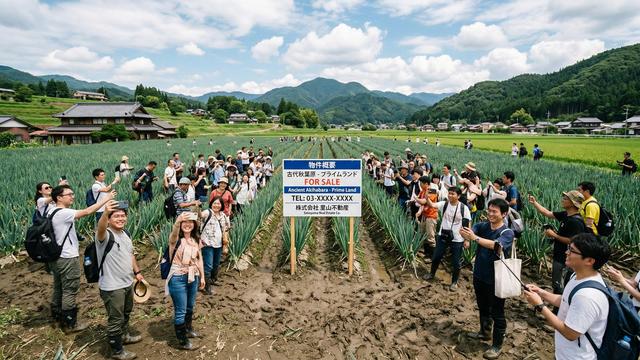
Jomon 'Magical Girl' Dogu Turns Scallion Field Into Prime Real Estate
Otaku flocked to 'Ancient Akihabara'—a scallion patch now priced like Tokyo condos.
https://alt.andpaper.net/en/articles/20260422-abnormal-real-estate-boom/
Visit, if you dare, the ruins of an eldritch settlement in the archipelago beyond Khitai, dating back to soon after the end of the Hyborian Age. #prehistory #Jomon https://cromwell-intl.com/travel/japan/aomori/jomon-sannai-maruyama/?s=mc