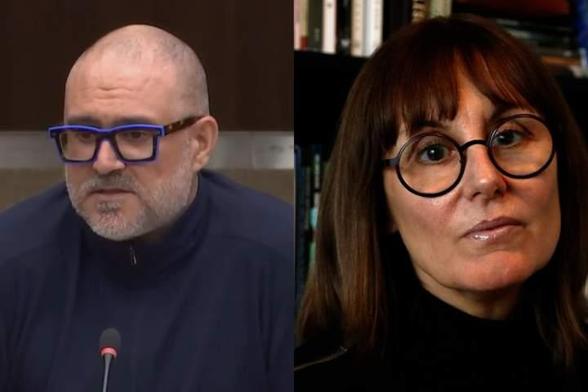
A successful defamation lawsuit in Saskatchewan against an Indigenous identity researcher has people talking about its possible impacts.
https://www.cbc.ca/news/indigenous/indigenous-identity-coupal-leroux-defamation-9.7134901?cmp=rss
đ Post 5/6: Heart-Centered Digital Spaces đšđ
My digital identity isn't just dataâitâs a heart-centered reflection of my journey. The rose in the book represents the "blooming" that happens when we reclaim traditions in new, digital ways. đŞśâ¨
The Learning Curve: Even in a world of code, the spirit remains. We are "planting" our stories in these new digital soils to see what grows. đą
đ¨ Creative Studio: Social Persona Studio
đ¸: Rawpixel (CC0)
đ Post 4/6: The Digital Tea Table âđ
In Indigenous storytelling, sitting down together is as much about listening as speaking. On the Fediverse, this "Tea & Notebook" vibe is everywhere.
The Aha! Moment: Unlike Big Tech algorithms, decentralized spaces like Pixelfed feel like an open notebook. You have to be intentional. Itâs about Reciprocityâgiving back to the community that hosts your stories. đ¤â¨
đ¨ Creative Studio: Social Persona Studio
đ¸: Rawpixel (CC0)
đ Post 3/6: Branding as a Signature đŞś
Branding isn't just a logo; itâs a signature. For an Indigenous creative, itâs about putting your "thumbprint" on the digital world.
đ Studio Note: Part of my #LearningCurve seriesâexploring how we track and credit digital assets in an interconnected web. Moving away from "Big Tech" means reclaiming how our work is identified. đ ď¸
đ¨ Creative Studio: Social Persona Studio
đ¸: Curated via Rawpixel
Indigenous Identity and Secular Humanism: David Cook
Author(s): Scott Douglas Jacobsen
Publication (Outlet/Website): The Good Men Project
Publication Date (yyyy/mm/dd): 2025/05/23
*This interview is a contribution to an upcoming text on global indigeneity and international humanism from In-Sight Publishing.*
David âMaheengunâ Cook, an atheist and humanist from the Mississaugas of the Anishinaabe people, shares his life journey navigating Indigenous identity, secularism, and cultural heritage. Raised near Rice Lake, Ontario, he learned traditional teachingsâlike oral history, plant knowledge, and seasonal rhythmsâfrom elders. Yet, he embraced atheism at 13, finding Christian doctrines unconvincing and later stepping away from formal Indigenous spirituality, such as pipe-carrying and Midewiwin ceremonies. Cook distinguishes between Indigeneity as a cultural-historical identity and Indigenous humanism, which he sees as increasingly conflated with spiritual beliefs incompatible with secular humanismâs reliance on reason and evidence. He critiques the romanticization of Indigenous knowledge systems, warning against overvaluing localized spiritual traditions as universal truth. Still, he values cultural respect, environmental ethics, and communal decision-making embedded in Anishinaabe life. While he sees overlap with secular humanism in compassion and ethical living, he insists on epistemological clarity: lived experience and reverence are not scientific knowledge. He emphasizes the importance of dialogue, mutual understanding, and intellectual honesty, challenging assumptions from Indigenous and non-Indigenous perspectives. Cookâs reflections underscore the complex interplay between cultural continuity and philosophical integrity in modern Indigenous life.
Scott Douglas Jacobsen: Today, we are joined by David Cook, also known by his Anishinaabe name, Maheengun, which means Timberwolf in the Anishinaabemowin language.
David will share his perspective on Indigenous identity, humanism, and atheism. He was raised near Rice Lake in southern Ontario, where Anishinaabe teachings influenced his formative years. He learned from elders about oral traditions, plant knowledge, and cultural practices rooted in the land and community. Despite this deep cultural foundation, Cook did not adopt theistic beliefs. He embraced atheism at the age of 13 after finding Christian teachings unconvincing.
His journey exemplifies the complex and often misunderstood relationship between Indigenous spirituality and humanist principles. Cook observed that traditional Anishinaabe worldviews emphasize spiritual relationships with the natural world, ancestors, and beingsâbut not in the form of hierarchical theism or deity worship. Over time, however, he has witnessed a shift in some Indigenous communities toward institutionalized or formalized spiritual practices, influenced in part by colonial impositions and revivalist movements. These shifts sometimes conflict with secular or humanist frameworks. In navigating this tension, Cook stepped away from ceremonial responsibilities, such as being a pipe carrier, to live more authentically within his philosophical values.
His experiences challenge the stereotype that Indigenous identity must be tied to religion or theism. They also highlight the diversity of beliefs and spiritual expressions among Indigenous peoples. Through these conversations, we will explore how Indigenous cultural heritage can intersect with secular humanist values, contributing to a broader discussion on Indigeneity and humanism. I approach this as a learner, open to where the dialogue leads. You never know unless you ask.
David, thank you very much for joining me today.
David âMaheengunâ Cook: Thank you for inviting me.
Jacobsen: My first question is: Do you come from an Ojibwe, Odawa, Potawatomi, Algonquin, Mississauga, or Nipissing background?
Cook: My experiences come from Mississaugas, originally.
Jacobsen: That helps. For those who may not knowâlike myselfâhow are the various Anishinaabe peoples distinguished from one another? Is it primarily geographic, or is there more to it?
Cook: It is mainly geographic but also linguistic and historical. The Anishinaabe are a group of culturally related nations who speak dialects of the Anishinaabemowin language. The Ojibwe, or Chippewa, stretch across a wide area from Ontario to Minnesota and beyond. The Odawa traditionally lived near the Ottawa River Valley, and the Potawatomi were based around Georgian Bay and further south around Lake Michigan, though many were displaced. The Mississaugas settled primarily in southern Ontario. While they share cultural foundations, each group has distinct histories, migration stories, and regional practices.
Jacobsen: The Anishinaabe are often translated as âoriginal peopleâ or âspontaneous beings,â they are tied to âMother Earthâ and âspiritual emergence.â What does that name signify within the culture?
Cook: Anishinaabe is often translated as âoriginal personâ or âfirst person.â It reflects the belief that our people were created and have always been hereâon what we call Turtle Island. In many oral traditions, there are creation stories, including that of Sky Woman, though this version is more prominent among the Haudenosaunee(Iroquois). Among the Anishinaabe, the tale of Nanaboozho is centralâhe is a cultural hero and teacher who helped shape the world. These stories reflect a worldview grounded in a relationshipâwith the land, the animals, the elements, and one anotherânot in dominion or hierarchical worship.
Specific to the Anishinaabe people, thereâs a story of our ancestorsâthe Lenape (or Leni Lenape) from the East Coastâbeing our predecessors. The Anishinaabe people are said to have split off and migrated westward, following a sacred object known as the megis shell. It is a type of seashell. We followed its appearance and migrated to places where wild riceâmanoominâgrew, ultimately reaching the Great Lakes and settling in areas like Minnesota, which marked the endpoint of this ancestral migration.
Jacobsen: What is the significance, within traditional practices, of things like birch bark, wild rice harvesting, and clan systems as part of the Anishinaabe worldview and social structure?
Cook: Good question. So, the teachings of the Seven Grandfathers instructed that our people should follow the megis shell, and we would stop where we found wild rice. As I mentioned, the Anishinaabemowin word is manoomin. Wild rice wasâand still isâa staple food and ceremonial plant for the Anishinaabe. Its presence indicated where we were meant to settle.
Birch bark wasâand remainsâimmensely important. It was used to build our traditional homesâwigwams, not tipis. Tipis are associated with Plains cultures, but our homes were dome-shaped structures covered in birch bark.
The Midewiwin societyâthe keepers of ancient and ceremonial knowledgeâused birch bark scrolls to record teachings, medicines, songs, and instructions for building Mide lodges. These scrolls served as a traditional archive. Birch bark also had everyday uses: for containers, canoes, and art.
We also interacted extensively with other nations, including the Haudenosaunee Confederacyâthe Mohawk, Seneca, Cayuga, Onondaga, and Oneida. Later, the Tuscarora joined, forming the Six Nations. Through this contactâboth peaceful and hostileâwe came to share some elements like the agricultural trio called the Three Sisters: corn, beans, and squash. These came more from our interactions than from our ancestral practices.
Jacobsen: You mentioned conflict. What were the historical bases of some of these clashes between the Anishinaabe and the Haudenosaunee?
Cook: Primarily, it was about control of the Great Lakes region, especially trade routes. This was pre-European contact, so before 1497âwhen John Cabot explored parts of what is now Canadaâand certainly before 1603, when Samuel de Champlain arrived. The Great Lakes were vital corridors of commerce, diplomacy, and warfare. A complex trade web stretched across the continentâcopper from Lake Superior, shells from the coast, obsidian, tobacco, etc.
The Haudenosaunee traditionally occupied the south side of Lake Ontario, while the Anishinaabe, including the Potawatomi, Odawa, and Mississaugas, were on the north side. These three groups comprised the Council of the Three Fires, a longstanding alliance rooted in kinship and defence.
The conflicts intensified after Champlain allied with the Wendat (also called the Huron), who had accepted the Jesuit missionaries and their Christian teachings. The Jesuits introduced not only religion but also disease, which devastated many Indigenous communities. Champlain and his Wendat alliesâincluding some Ojibweâlaunched attacks on the Haudenosaunee south of the lake. That began a cycle of violence and displacement that lasted for centuries.
Jacobsen: Thatâs quite the historical sweep. Growing up, what was your senseâwithin your Indigenous community and in nearby non-Indigenous communitiesâof the mythologies or perceptions each had of the other?
Cook: Thatâs a rich topic. The mythologies held by each groupâIndigenous or settlerâabout one another were often oversimplified or distorted. Indigenous communities saw settlers as disconnected from the land, lacking the spiritual and relational teachings that tie people to place. On the other hand, settlers often romanticized Indigenous people or reduced us to caricaturesâeither the ânoble savageâ or the âvanishing Indian.â Meanwhile, different Indigenous nations had their own stories and rivalries, often shaped by centuries of conflict, trade, and adaptation.
Jacobsen: Regarding social mythologies specifically, what kinds of stories or collective ideas did Indigenous communities have about surrounding non-Indigenous people, and vice versa? And I mean not religious mythologies like Christian beliefs in an intervening God or Indigenous cosmologies like the creation of Turtle Island, but more about the social perceptions communities held about one another. Also, are you speaking from personal experience growing up or from a more historical lens?
Cook: Thatâs a good questionâand I think both apply. Historically, and in my experience, those perceptions have shifted significantly over time.
Going back to the early contact eraâwhen Champlain was active in this regionâyou had the Wendat (also known as the Huron) accepting, or at least entertaining, Christian missionaries like the Jesuits. That affected how other nations, including the Haudenosaunee, viewed Wendat and the newcomers. But in those early days, there werenât many non-Indigenous people in Ontarioâjust a few priests and fur tradersâso social mythologies were formed based on limited interaction.
As colonization progressedâparticularly during the expansion of Ontarioâs colonization roads in the 19th centuryâIndigenous people in many areas were respected for their deep knowledge of the land, for trade, and for helping early settlers survive. My family has a cottage about an hour and a half north of here, and thereâs a long history of cooperation between Indigenous communities and pioneers. There was absolute mutual respect, at least in some areas.
But then things shifted. Public perceptions began souring by the 1960s and 1970s, especially among non-Indigenous people. Many stereotypes took holdâthings like alcoholism, laziness, or exemptions from taxationâwhich created resentment and suspicion. A lot of this was media-driven. People formed their opinions not from direct interaction with Indigenous people but from distorted narratives coming out of other regions or from sensationalized news.
I remember vividly the Oka Crisis in 1990. It was centred in Kanesatake and Akwesasne, Mohawk territories in Quebec, and had ripple effects across the country. Suddenly, many non-Indigenous Canadiansâespecially in Ontario and Quebecâdeveloped very negative views of Indigenous people, even if they had never met one in their lives. It was a myth-building through fear and media framing.
But today, things are changing with the ongoing work of Truth and Reconciliation and the broader public access to accurate historical information. Conversations are more open. Thereâs greater willingnessâamong non-Indigenous people especiallyâto listen, learn, and reconsider those long-held social mythologies. Todayâs understanding is more grounded in reality than it used to be.
I was working hard to raise awareness about something that deeply concerned me. An NDP Member of Parliament from Winnipeg introduced a private memberâs bill that would have criminalized the denial of the residential school system.
Jacobsen: How did that go over?
Cook: Well, while I believe that residential schools were a horrific part of Canadian historyâand that the intergenerational trauma they caused is still being felt todayâI donât think criminalizing denial helps truth and reconciliation. And it certainly doesnât support the free speech rights of non-Indigenous Canadians.
Iâve had many conversations with people who didnât believe in or understand the impacts of residential schools. I often wonder whether I could have had those conversations if a law had made such speech a felony. Iâm relieved to say that the bill did not pass the first reading in the House of Commons.
Jacobsen: Thatâs good to hear. Thatâs a win for open discourse. These conversations will be exploratory, and while there will be common themes and throughlines, weâll also encounter offshoots. That issue you raisedâaround free speech and truth-seekingâis critical. It resonates across different communities in Canada.
How do different communities, in your experienceâFrancophone, Anglophone, Indigenous, and othersâview universal rights commonly claimed internationally, such as freedom of expression or speech, especially as theyâre articulated in the U.S.? How are those rights viewed, upheld, or contested in public, private, or sacred spaces within these cultural contexts?
Cook: Thatâs a great question, but I am unlikely to answer comprehensively since I live in one small corner of southern Ontario. I can only speak to what Iâve seen locally.
But itâs interesting. One thing that stands out is how cultural shifts in Indigenous communitiesâboth on reserves and among urban Indigenous populationsâhave been influenced by younger generations attending Indigenous Studies programs in colleges and universities. Iâve been involved for over 35 years in the Eldersâ Conference at Trent University in Peterborough. The tone and focus of that gathering have changed dramatically over the decades.
Like the rest of North America, there is a widening political divide. On the right wing, there tends to be skepticism about what is seen as special rights or accommodations for Indigenous peoplesâquestions about responsibilities and accountability. On the left wing, particularly within academic environments, thereâs often a tendency to avoid saying anything that could be construed as challenging the dominant narratives taught in Indigenous Studies courses.
You risk being accused of creating an âunsafeâ environment; honestly, I find that term increasingly vague. It used to refer to a physical threat, but now it can mean someone holds a different opinion from you on campusâthe redefinition of âunsafeâ to include disagreement.
Iâm rambling now, but my answer to your question is elsewhere.
Jacobsen: Itâs like that old Billy Connolly joke about getting olderâhe says (and Iâm paraphrasing here, Jacobsenizing it): when youâre young, someone comes into town and asks you for directions to the gas station. You confidently lift your arm, point with your finger, and say: âGo two streets north, take a left, then a right. Youâll be at Smith and Cook Avenue. The gas stationâs right there. Youâre good to go.â
âThank you for that, sir. Have a good day.â
Then you get to middle age, and you just sort of wave vaguely with your armââYeah, itâs over there, young man.â
And by the time youâre in your eighties, youâre lifting your leg and going, âOver there!â You know? Itâs somewhere in that general direction.
Cook: [Laughing].
Jacobsen: Somewhere in that general directionâthatâs precisely it. Now, a pattern in public discourse connects to what youâve just described. When people speak in the terms you just usedâthoughtfully but with nuanceâthey are sometimes misunderstood, either deliberately or inadvertently. That misunderstanding is then used as grounds to accuse them of dismissing Indigenous teachings or even of being belligerent toward those who describe themselves as feeling unsafe.
How do you feel when you hear someone attributing motives like that to things you genuinely believe? How are your views being mischaracterizedâor, on the more benign side, how are they being misunderstood?
Cook: Thatâs a great question. I love to philosophize, so stand by⌠[Laughing]
Youâve captured the polarization well. Some people, yes, are intentionally provocativeâthey want to be misunderstood or create conflict. On the other hand, thereâs a tendency to be hyper-vigilantâa kind of eagerness to pounce on any statement that might not align perfectly with whatâs expected. They say it becomes a race to display our virtue or signal.
But the reality lies in the middle. And thatâs where the real work of democracy and dialogue happens.
We think of democracy as voting for someone who disappears into a legislature to make decisions. But in truth, democracy is the conversation. Itâs the dialogue we have as a society.
If you look at small Indigenous bands historically, decisions were made collectively: where to move, when to hunt, how to respond to challenges. That was real, participatory decision-makingâconsensus-based. As populations grew and governance became more complex, that model had to evolve. However, the essential ingredient remains: meaningful dialogue that defines the middle ground.
To bring this back to Indigenous roots, the Haudenosaunee Confederacyâthe union of the Five (later Six) Nationsâis often cited as one of the inspirations for American democracy. That system of deliberative councils and consensus-seeking is a powerful model.
Unfortunately, today, weâve moved far from that. Weâre at a point where people on opposite ends of the spectrum can no longer even speak to each other. Everyone sees the other as an enemy rather than someone with a different perspective.
Youâre right. On both extremes, itâs not about understanding anymoreâitâs about triggering a reaction or defending territory. But democracy cannot survive without conversation, and we lose a lot when we abandon the middle ground.
Itâs about active listening. Listening so that you can hear someone and repeat what they just said to demonstrate understanding rather than interrupting to make your point. Thatâs missing from many conversations now.
I have a theory about that. When I worked for a vast Fortune 50 corporation, I had the honour of contributing to DARPANet, which was the predecessor to what we now call the Internet. I was on the front lines of Internet development in Canada and North Americaâworking on IP addressing, how networks function, how computers talk, and so on.
Then, in the late 1970s and early 1980s, I worked on efforts related to the World Wide Web and how it could be opened for commercial use. The Web was envisioned as a beautiful, global network of connectionsâa web of shared knowledge, freely accessible and interactive.
But this Web has become a series of cocoons. People donât hear each other anymore. Instead, theyâre caught in echo chambers, where they only receive information reinforcing their beliefs.
Algorithmic polarization: The algorithms behind social media platforms now filter content so that you rarely encounter ideas that challenge your worldview. If you lean left, your feed is filled with progressive content. If you lean right, you get conservative content.
So, instead of a web connecting people and ideas, weâve ended up with millions of isolated and insulating bubbles. People donât even know that other perspectives exist anymore. They hear their thoughts reflected on them.
Jacobsen: Thatâs not off-topicâitâs a key part of this discussion. What people now call virtue signalling, for instanceâitâs not a new phenomenon. We talk about it more explicitly now.
Looking at the last five to twenty-five years, you can see it evolve in public discourse. For example, on the left, wearing a rainbow lapel pin signals affiliation and values. On the right, someone might wear a Christian cross. Both are symbolic affirmations of identity and belief systems. Itâs the same impulse, just expressed differently depending on the group.
When people talk about âwokeness,â itâs not fundamentally different from the conversations around identity politics we saw in the 1990s. Those earlier discussions were more implicit, while todayâs are explicitâpartly because of the digital tools you helped build: the Internet, social media, and open commentary platforms. Everything is exposed now; everything is analyzed or debated instantly.
So weâve seen this explosion of neologismsâsome serious, some sillyâall part of a broader cultural shift toward explicit signalling. But returning to our core topicâAnishinaabe cultureâweâve been reflecting on Midewiwin, the Grand Medicine Society.
Cook: [Laughing] SorryâI have an opinion on everything.
Jacobsen: No, thatâs fine. Thatâs the point of this kind of dialogueâto explore thoughts that arenât usually expressed inside the Beltway or in typical public discourse. And itâs also an opportunity to bring cultural memory and philosophical perspective into deeper public awareness.
Jacobsen: We discussed the Ojibwe and some of the broader Anishinaabe identity. But what about the more spiritual or ceremonial aspectsâthe degrees of initiation, moral teachings, balance, healing, herbal medicine, medicine lodges, chanting, and drumming?
You carried the fight, so to speak. You lived with both the theoretical understanding and practical application of this worldview. How did traditional beliefs frame ideas like the world and the Creator? Would you say that worldview is monotheisticâor is that a result of Christian influence, shaping the image of an intervening Creator?
Cook: Again, I can only speak from personal experienceâand itâs important to note that Indigenous cultures are oral traditions. So, everything gets passed down through storytelling, and every elder brings their knowledge, memory, and philosophy to their teaching.
The result is that the stories vary. No matter how much we respect the teachings or the history, thereâs no such thing as a single, unchanging version. As Iâve gotten olderâand now consider myself an elderâIâve become acutely aware of how fragile memory can be and how much responsibility it takes to carry those stories forward.
When I was younger, the culture I was taught was not formalized. It was experientialâyou learned by being there, by participating. There were seasonal rhythmsâlike telling stories in the winter, an established cultural practiceâbut the storytelling was light-hearted, even humorous. There wasnât the solemnity I see today.
Over time, things have become much more formal. Thereâs now a strong emphasis on protocols, like clearly stating your name, your community of origin, and your clan and doing so in Anishinaabemowin (our language), even if thatâs the only part of the language someone knows. Thereâs also the expectation to establish credibilityâto show who your elders were, who taught you, and whether you are authorized to share what youâre about to say.
That wasnât the case when I was younger. But now, the role of âTraditional Knowledge Keeperâ is formalized and widely used, especially in academic settings and government relations. A big part of that came from the rise of Indigenous Studies programs at universities. Those programs needed structure, so they created protocols to ensure that only those with proper knowledge and cultural authority could teach or share stories.
I understand its intentâensuring authenticity and preventing cultural misappropriationâbut the formality has become quite rigid. Itâs now common that, right after someone introduces themselves, theyâll light a smudgeâoften using a smudge bowl made from an abalone shell, even though abalone isnât from this region. The same goes for sage, which is not traditional to all territories but is now widely used.
So, thereâs been much cross-pollinationâceremonial blendingâbetween First Nations across Canadaâs diverse regions. Historically, hundreds, if not thousands, of distinct communities, nations, and cultural protocolsâfrom coast to coast. But now, thereâs a kind of pan-Indigenous ceremonial standardization, where some practices have become symbolic shorthand for Indigenous identity, regardless of their geographic origin.
And over time, thereâs been much blendingâso much so that if you attend a powwow anywhere in North America, youâll likely see women dancing in traditional jingle dresses. Itâs a regalia adorned with 365 cones, often made from the lids of snuff cans. Each cone represents a day of the year and is specifically sewn onto the dress. The sound they produce during the dance is part of the healing tradition.
Itâs become that rigid, formalizedâand you can now see consistently from Mexico to the northern territories. Well, perhaps less so among Inuit communities, but certainly within a broad swath of First Nations and Native American cultures, you see this kind of cultural homogenization.
Jacobsen: So, let me ask you this. Whatâs your take on Canadaâs earlier cultural flashpointsâthe Oka Crisis? How do you see those moments now?
Cook: Oh, wow. The Oka Crisis (1990) was a defining moment for Canada, especially for people in Ontario and Quebecâthe so-called centre of Canada. It was the first time that many Canadians had to confront the reality that there were unresolved land disputes, some going back centuries, and that Indigenous people were not a relic of the past. They were present, organized, and resisting.
It forced the conversation into the open and made people aware that fundamentally different worldviews were at playâparticularly sovereignty, land stewardship, and historical injustice. But like most big cultural moments, it also became deeply polarizing.
Some people were severely injuredâpeople throwing stonesâand others were offering help and support. A similar situation happened here in Ontario with the Ipperwash Provincial Park standoff (1995) when the Premier sent in the Ontario Provincial Police (OPP). They shot and killed Dudley George, a young man who was not posing any physical threat. It became an embarrassment and a tragedy.
Events like Ipperwash and Oka truly set the stage for the emergence of the Truth and Reconciliation Commission. They pushed the public to realize that something needed to changeâthat Canadians needed to become more aware of Indigenous history, the longstanding injustices, and the ongoing consequences Indigenous communities still face as a result. They were defining momentsâsignificant events.
Jacobsen: Now, shifting a bit more toward the central focus of this projectâwhen we talk about people who reject supernaturalism or theistic interpretations of belief within Indigenous traditions, thereâs often a social cost.
In European, Anglo, and Franco-North American cultures, people who reject religion or belief in God are often met with a wide range of slursââdevil-worshipper,â âpossessed,â âdemonic,â âimmoral,â âuntrustworthy,â âdisgusting,â and so on. These labels donât function as intellectual argumentsâtheyâre emotional reactions. They show up in polling and population studies as deeply ingrained sentiments toward atheists and humanists.
This prejudice has real economic, social, familial, and professional consequences. Take the example of a woman in a fundamentalist Christian community working at a university with doctrinal covenants. If she gets divorced, that can be considered grounds for dismissal or social shunning. The emotional pain can be deepâand neuroscience tells us that social rejection activates the same brain regions as physical pain.
Now, within a Canadian Indigenous context, particularly in Anishinaabe communities, are there slurs or informal labels used to describe those who reject traditional beliefsâespecially those from Indigenous backgrounds themselves? And how do those social dynamics unfold?
Cook: Great question. The only epithet I can remember growing up was for Native people who were seen as ânot Native enough.â In other words, if someone had adopted more mainstream, settler characteristics, theyâd be called an âappleââred on the outside, white on the inside. Thatâs the only derogatory term I ever heard used within the community.
In Anishinaabemowin, there are some terms for non-Native people that can carry a derogatory tone depending on how theyâre used. I remember one elder in particular who always referred to white people with a specific termâthough I havenât heard it used in a long time. I donât know the exact linguistic root of the word, but it was always spoken with a tone of contempt, so it carried weight.
But to your main pointâno, I havenât heard specific slurs or labels used against Indigenous atheists or secular people within the community. Youâre right, though: in broader society, people who reject supernatural beliefs get hit with negative assumptions. But I havenât observed a structured vocabulary around that kind of rejection within Anishinaabe communities, at least not in my experience.
Jacobsen: I mean, if youâre only hearing epithets in English, as opposed to, say, Finnish or Arabic or Anishinaabemowin, does that in itself serve as a kind of psycho-cultural commentary on the useâor limitationâof slurs?
Cook: Thatâs a good question. I donât know. There could be all kinds of factors contributing to that dynamic. It might also be that not everyone speaks Anishinaabemowin fluently enough anymore to use slurs in the original languageâor even to recognize them if theyâre used. So, if those sentiments are expressed, theyâre more likely to appear in English, where theyâre understood. Itâs tough to say what the root of that would be.
Jacobsen: If thereâs not much in terms of verbal slurs, then what about other forms of social consequences? Not necessarily professional impactsâbut gossip, social standing, and social status. Thatâs a big part of any culture.
Cook: Absolutely. I think there are all kinds of social consequences for not following what Iâd call the âreceived wisdomââthe currently accepted norms or teachings within the community.
Before we started recording, I told you about a social worker I know who worked for Native Family Services. Heâs about fifteen years younger than I am. He grew up on a reserve, and although he identifies as Indigenous, he eventually felt forced to leave his position.
He struggled with expecting every meeting to begin with a smudging ceremony, prayers, sage, abalone shells, eagle feathers, etc. He was told heâd be required to take turns leading the ceremoniesâto say the opening prayer, light the smudge, and perform those protocols.
When he said he didnât want to participate, the response was unsupportive. He wasnât given space to opt-out. He was made to feel very uncomfortableâlike he wasnât âNative enough.â So yes, even in the workplace, there are real consequences for not conforming to certain spiritual expectations.
Jacobsen: Thatâs significant.
Cook: It is. Because so much of what is now called âNative cultureâ is deeply tied to spiritual practice. And I use the word spiritual here more in the religious senseâbecause when something is no longer optional when itâs mandatory, it stops being about personal spirituality and becomes more like a codified belief systemâalmost like organized religion.
Jacobsen: That distinction makes much sense.
Cook: For example, when I was growing up, women were not allowed to sit at the big ceremonial drums. There were strict gender roles embedded in the ceremonial life. There was much pushback from the 1960s through the 1980s, especially as broader society moved toward womenâs equality. But in many Indigenous communities, especially in ceremonial contexts, women were still restricted from participating fullyâparticularly if they were on what we call their moon time.
During their menstrual cycle, during their moon, women were often expected to abstain from participating in ceremonies. That was the tradition. But that tradition has also been challenged, especially by younger generations. Still, even today, there are ongoing tensions around these issues. So again, when spiritual practices become mandatory, especially in public or professional settings, they stop being spiritual personally and start resembling an institutional system of belief.
So, during their menstrual cycle, women were not allowed to participate in certain aspects of ceremonial lifeâsometimes even to the extent of not being in the presence of men during specific spiritual events. There are separate ceremonies for men and women. I have many teachings Iâm not permitted to share with women, and my wife has teachings sheâs not allowed to share with men.
There are still very distinct roles for men and women. For example, women are the carriers of water at ceremonies. Only women are permitted to touch the water and prepare it. Women traditionally gather the so-called âsacred medicinesââcedar, sage, sweetgrass, and tobacco.
Then, there are specific ceremonial medicinesâsome used only by women and others only by men. I have to be careful here not to share teachings that could get me into trouble, but yes, there are medicines restricted by gender.
During menstruation, a woman on her moon cannot participate in ceremonies and is expected to avoid ceremonial grounds. At full moon, womenâs ceremonies celebrate the menstruation cycle, while men hold their parallel gatheringsâoften involving cleaning ceremonial pipes, for example. These dual ceremonies happen every full moon.
Itâs challenging to separate cultural from spiritual or religious aspects because the two are deeply entwined in Indigenous traditions. But whatâs clear is that gender plays a significant role in determining who can do what within ceremonial life.
And if you donât believe in those teachingsâif youâre an Indigenous atheist or secular humanistâthere are social ramifications. Questions arise: Can you participate in ceremonies? Can you be a dancer at a powwow?
Let me give an example. I helped create a Native cultural community centre here in the Durham region of Ontario, where I live. We didnât have any services for what we used to call urban Indiansâpeople living off-reserve in urban areas. So we created this centre to offer programming and support. I was elected chief of that organizationâs council.
Now, I used to get into trouble constantly. In Anishinaabe culture, people dance clockwise around the drum at powwows. But here, we also have Haudenosaunee peopleâalongside Inuit and other First Nations folksâwho have different ceremonial expectations. For example, some Haudenosaunee teachings say you must dance counterclockwise around the drum.
So, what do you do in an urban setting where one group deeply believes in dancing clockwise and another holds just as strongly to dancing counterclockwise?
Thatâs a powerful imageâand pretty funny. It is a sort of ceremonial traffic jam. It shows how diverse Indigenous cultures are, even among just the First Nations, not to mention MĂŠtis and Inuit peoples. It also highlights the challenge of creating inclusive ceremonial spaces in urban environmentsâwhere youâre not just dealing with intercultural dynamics between Indigenous and non-Indigenous people but also intracultural tensions within Indigenous communities themselves.
Jacobsen: That reminds me of the diversity in Christian traditions, too. For instance, the modern evangelical movement in the U.S. and Canada is relatively uniform. However, traditions like Eastern Orthodoxy and Roman Catholicism remain distinct, owing to their long historical separationâbetween Ecumenical Patriarch Bartholomew and the Pope.
Cook: Rightâand even within those traditions, each has its own internal governance, rituals, and symbolic systems, just like us.
Jacobsen: Thatâs correct. And in Eastern Orthodoxy, the Ecumenical Patriarch is called âfirst among equalsââa primus inter pares. However, The Catholic Church does not see the Pope that way. So thereâs a lateralization of hierarchy in Eastern Orthodoxy that you donât see in Catholicism, where the hierarchy is more pyramidal.
Given that, thoughâand more to the point ritualisticallyâboth the Eastern Orthodox and Catholics, from what Iâve seen in their communities, have a very intricate ceremonial life. I donât mean âbetter,â just more complex in structure, especially compared to modern evangelical or prosperity gospel movements, which tend to be simpler in ritual and more overtly political in tone after their Sunday services.
From what you describe about the Anishinaabe, I understand that the rituals are deeply tied to place, history, and cultural memory. Almost everything is done within a spiritual context, whereas in Catholic or Orthodox Christianity, the rituals are rich and symbolic. However, many adherents return to their regular, often secular, lives after the liturgy.
Cook: I think thatâs fair. I also believe that a kind of hierarchy of belief or ritual commitment exists within Anishinaabe communities. Let me go back to an example.
Just north of hereâabout a twenty-minute ride on Lake Scugogâthereâs a First Nation where I have many ties. I probably spent as much time there as I did on Rice Lake, where I grew up. That community had a longstanding chief lineageâa family that had held that leadership position across several generations.
But I remember from back then that there wasnât much visible spiritual practice. It all seemed private; at least, thatâs how I experienced it.
Just before COVID, I went up to visit friends in that community. I dropped into the health centre and chatted with some people about my history with the Nation. Iâd helped them re-establish the powwow there about thirty or thirty-five years ago. At the time, they had never held a powwow, but Iâd been involved in running a successful one in Oshawa for about five or six years. They asked me to help organize their first oneâshow them how to build the arbour for the drum according to tradition, invite elders, and how to structure the event.
When I visited more recently, I spoke about possibly getting more involved in the community again. But they asked me directly whether I was Midewiwinâor Mide, as itâs often shortened. They implied that if I wasnât, I might not be welcome like I once was.
Thatâs a community I grew up in. But they had started holding Midewiwin ceremonies regularly, and those come with a much more formal structure. So yes, thereâs a hierarchy there. That particular spiritual traditionâthe Midewiwin or Grand Medicine Societyârequires a kind of adherence to specific teachings, ceremonies, and protocols.
You could compare it loosely to a Masonic lodge in structureânot in content, but in how itâs organized into degrees or levels. As you advance, you gain access to more profound teachings, some of which are kept secret or sacred until you reach a certain level or have participated for several years.
Jacobsen: Thatâs a very structured system. You mentioned earlier the status of women as a factor. Most cultures at least pay lip service to the ideals the international community promotesâthings like gender equality and inclusivity.
What parts of traditional or historical Indigenous cultureâspecifically Anishinaabeâdo you see as genuinely practicing gender parity? And conversely, where is that parity lacking? Especially in todayâs conversation, are there ways that transcendental, supernatural, or extra-material justifications are used to explain or defend those inequalitiesâor even to silence criticism?
Cook: Great question. Let me start with something I touched on earlierâwomen sitting at the drum. Today, if you attend powwowsâcertainly in this regionâyou will see women sitting at the main drum and singing, the big drum representing Mother Earthâs heartbeat. Traditionally, women used smaller hand drums, usually 12 to 18 inches in diameter, and men sat at the big drum. Thatâs changed. Thereâs no more gender parity in that ceremonial role, at least in some communities.
As for justifications for maintaining older traditions or exclusionsâyes, there are stories. Indigenous cultures often preserve and transmit social structures through traditional narratives. These stories are told to explain why things are the way they are, often in spiritual or cosmological terms.
To give you a tangible example: at a powwow, a man can dress however he likesâshorts, a T-shirt, and running shoes. Heâll still be allowed into the circle to dance. Some of us old-timers still wear ribbon shirts and regalia, of course. But if a woman shows up in a dress that doesnât go to her ankles, someone will almost certainly take her aside, ask her to change, or even leave the circle.
That gender-specific expectation is still very much presentâat least here. It could certainly be viewed as restrictive or patriarchal from a mainstream cultural lens. However, within the culture, teachings passed to women help contextualize and justify these expectations. Whether you see it as subjugation or sacred protocol depends on your frame of reference.
Jacobsen: That reflects a broader tensionâbetween cultural tradition and modern equality frameworks. And Iâve seen this tension play out even in international settings. I did two weeks of journalism in mid-March at UN headquarters in New York City during the 69th Session of the Commission on the Status of Women (CSW69). I sat in on an entirely Indigenous-led session with a panel of Canadian Indigenous womenâboth young and older voices.
The stories shared were incredibly moving. There were moments during the panel when there was open cryingânot just among the speakers but also among the audience. The speakers discussed intergenerational trauma, displacement, gender-based violence, resilience, leadership, and cultural renewal.
That kind of setting brings out the depth of these issues. It shows how womenâs voices in Indigenous communitiesâespecially when given a platformâoften expand and complicate the narrative beyond the neat boxes that institutions like the UN try to put things in.
These werenât minor figures eitherâthese were foremost Canadian Indigenous leaders, speaking candidly. At the same time, you had high-profile figures like Bob Rae, Canadaâs ambassador to the UN, walking through because he had other meetingsâthere was this strange mix of formality and intimacy.
What struck me most, though, was how it tied back to what you mentioned earlierâthe consciously inflicted tragedy of the residential school system. What I saw in that room wasnât necessarily what Iâd call healing, at least not in the clinical or complete sense. It was more like people were, at that moment, relieving themselves of the burden of silenceâfinally saying things aloud that had weighed on them.
To me, that releaseâwhile powerfulâis private and not always therapeutic in the lasting sense. Itâs more like a momentary purging. Itâs the difference between washing a wound and disinfecting and stitching it. That open expression of pain, especially in a public space where others have shared history if not identical experiences, creates a kind of communal recognition.
Now, the women themselves would describe it far more eloquently and precisely. However, that was the emotional atmosphere I absorbed from that session at the UN in New York. That said, this living history is not something we can choose to ignore. Itâs here, whether we talk about it or not. That brings me to this: Are there contexts in which traditional beliefs can offer an anchor, a sense of groundingâbut where supernatural elements or superstitions surrounding those beliefs may not serve long-term health or healing?
Iâm thinking here of something Noam Chomsky once shared. He described knowing an immigrant mother who had lost her child. She found deep comfort in the belief that she would be reunited in heaven with her child after her death.
Chomsky, of course, didnât believe in that promise. But he also didnât try to strip her of that consolation. He understood that in the moment, it brought genuine emotional relief. Still, he questioned whether that kind of belief system, while temporarily comforting, is ultimately sustainable or healthy. Itâs sort of like using an antidepressant or anxiolytic for a period of acute needâbut then pairing that with practical life changes or cognitive tools that support longer-term well-being.
Over time, you wean off the medication, and youâre left with sustainable skills and insights. In this way, the person can integrate their trauma rather than escape it.
So, Can traditional Indigenous spirituality serve that kind of transitional functionâproviding ritual and meaning early on but eventually giving way to something more lasting, less myth-bound, and potentially more universal? Theyâre dealing with the context of their own life story.
Cook: Absolutely. And I have some pretty strong opinions about thatâbecause I know so many people who experienced residential schools firsthand and who still live with that trauma. And whatâs even more heartbreaking is how that trauma was often passed on. It created parents who didnât know how to nurture or protect their children, and those childrenânow adultsâpassed the trauma on again to their kids. Thatâs the intergenerational trauma we keep talking about.
This is one of my core criticisms of Indigenous humanism as it is sometimes practiced today. One of its guiding ideas is the creation of strong communities rooted in culturally grounded mental and physical health programs tailored to Indigenous needs. While thatâs well-intentioned, I worry that, in some cases, it does not address the root problems.
Itâs similar to my broader critique of religion. As Marx said, itâs the opium of the massesânot because itâs inherently evil, but because it can offer a Band-Aid without providing honest answers. It may feel good to believe in the power of prayer. But to me, prayer and meditation are quite different. Meditation is an internal process, a focus on self-awareness and grounding. In many traditions, prayer involves asking for something, often from a higher power. Thatâs a very different kind of psychological engagement.
My point is this: religions tend to provide emotional scaffolding, a way of soothing pain. But mental health professionals can do that too, and in many cases, more effectively, without relying on superstition or magical thinking.
So, in the Indigenous context, when Native spirituality is used to help people cope, yesâit can offer comfort. But I also think it can delay more profound healing or perpetuate specific traumas under the guise of tradition. Some of this intergenerational pain might be addressed earlier and more effectively if we approached it with direct, evidence-based support instead of spiritualized frameworks alone.
Jacobsen: Thatâs a very personal critique. Speaking of personalâwhat about your own experience, living as an atheist within the community?
Cook: [Laughing] The short answer is: Iâm not really âout.â
Jacobsen: Oh? Some people might be in for a surprise.
Cook: Yeahâ Because honestly, it wasnât hard for me to step away from social and ceremonial aspects of community life.
All of my elders, the people I deeply respectedâthe ones who made the Native community meaningful to meâhave passed away. Thatâs the thing about being an elder: thereâs only one destination, and weâre all moving quickly. (chuckles)
Iâd had conversations with a few while they were still alive. They knew where I stood. They understood that for me, participating in ceremonies wasnât about belief but culture and showing respect for our traditions and them.
For example, when I was growing up, the concept of a single, monotheistic Creator never really came upâat least not in any way I remember. That may have been introduced later or emphasized more heavily as Christian influence spread.
When we got into a canoe to cross a lake, we would put down tobacco at the edge of the waterâor directly into the waterâto honour and protect ourselves from the spirits believed to inhabit the area.
Thereâs a specific water spirit in Anishinaabe tradition, Mishipeshu, or the underwater panther. In our traditions, Mishipeshu lives in lakes and rivers. If you fail to pay proper respect, you might experience a storm, or your canoe could capsize, or worse. That spirit wasnât just a storyâit was part of the everyday consciousness of being on the land and water.
As a kid, when you were alone in the forest, we also had stories about Wendigos. Thereâs even a famous poem about them. In our culture, the Wendigo was this malevolent, ghost-like creatureâpart spirit, part cautionary tale. They were associated with greed, cannibalism, and spiritual imbalance. They lived in the woods and were a real part of the spiritual landscape.
Everyday life included constant gestures of respect toward nature and the spirits. In that way, itâs very similar to Shinto, the traditional Indigenous religion of Japan, where kami, or spirits, are found in rocks, trees, rivers, and mountains. That was the world I grew up in.
Even now, when I walk past a giant tree, I instinctively put my hand on itânot because I believe it will speak to me, but out of respect. So, maybe some of my âsuperstitiousâ thinking hasnât completely left me. But for me, itâs not superstitionâitâs about honouring the natural world around me. Or at least, thatâs how I justify it now.
As a child, though, this wasnât metaphorical. It was literal. We believed in individual spiritsâeverywhere. And this is deeply embedded in Anishinaabemowin, our language. The language doesnât just have masculine and feminine genders, like French or Spanishâit also distinguishes between animate and inanimate nouns.
And whatâs considered âanimateâ isnât always what Western culture would define that way. A boulder, for instanceâa glacial erratic you might stumble upon in the forestâis considered animate because it has spirit. Weâd refer to it as a grandfather, a being who has been there since time immemorial.
In the sweat lodge ceremony, when heated stones are brought in, theyâre not just ârocksââthey are greeted as grandfathers (Mishomis) and treated with reverence. Thatâs the spirituality I grew up with. Itâs not monotheistic or dogmatic, just interwoven with the land, the water, and the life around us
Jacobsen: How are you distinguishing Indigenous humanism (or Native humanism) from secular humanism? And why donât we collapse the terms under something broader like Humanists Internationalâs definition of humanism?
Cook: Because theyâre not the same. In some ways, yesâthereâs overlap, and they can work together in many areas, but at a fundamental level, theyâre incompatible.
Secular humanism is grounded in reason, science, and ethics without reliance on the supernatural. It emerged from the Age of Reason, and its philosophical foundations rest on empirical evidence, reproducibility, and skeptical inquiry.
On the other hand, Indigenous humanism is deeply embedded in spirituality and cultural tradition. Spirituality and culture are not separable in Indigenous contexts. Thereâs no culture without spirituality and no spirituality without culture. Theyâre intertwined.
Indigenous humanism also emphasizes connection to nature, reverence for the land, and relational thinking, aligning with some of secular humanismâs environmental ethics. So thereâs common ground, especially around values like sustainability and community well-being.
However, the gap becomes philosophically significant when one worldview is based on ancestral wisdom, oral tradition, and whatâs now often called âalternative ways of knowing,â and the other is based on scientific rationalism.
Jacobsen: What do you make of attempts to merge the twoâto create some hybrid identity between Indigenous and secular humanism?
Cook: I think doing so requires a massive amount of cognitive dissonance. The two systems operate on very different epistemological foundations.
Secular humanismâagainâis about what can be tested, measured, and replicated. Itâs a product of Enlightenment thinking. Indigenous humanism is about lived experience, ancestral teachings, oral transmission, and sacred relationships with land and life. When someone tries to blend the two, they often end up unconsciously prioritizing one over the other or reframing one to fit the lens of the other.
And to be honest, the modern framing of âalternative ways of knowingâ tends to get used in philosophically muddy ways. It can obscure more than it reveals, especially when not critically examined.
Jacobsen: Would it be fair to say that secular humanism doesnât offer a âvariety of ways of knowingâ but a shared standard of inquiry?
Cook: Itâs not about many truthsâitâs about one standard for evaluating truth claims. In that sense, it doesnât offer pluralism the way Indigenous frameworks do. And thatâs where deep tensions arise when people try to conflate the two without acknowledging that.
So that conceptââways of knowingââis one that, as a secular humanist and as a scientist, I find very difficult to accept in a literal sense. I donât believe there are multiple valid epistemologies when uncovering truth. There are ways of being, indeedâthose are cultural. But Iâm very skeptical of ways of knowing as alternative epistemic systems.
We know things through scientific inquiry and critical thinkingâthrough processes that yield repeatable and reproducible results. Thatâs the foundation of empirical knowledge. Now, I know thereâs a common critique that science is reductionist. Thatâs true, but reductionism has also given us tremendous insight into the natural world and a robust framework for understanding reality.
My experience has been that Indigenous ways of knowing are often tied to experiential learningâthrough direct engagement, observation, and interaction with the environment. This can be valuable as a teaching method and cultural transmission, but it is unreliable for discovering objective truths.
Weâd still be stuck in a Newtonian physics model if we relied solely on direct experience as a path to knowledge. We wouldnât have the relativity of Einstein or the quantum models of the subatomic worldâbecause you canât see those things with the naked eye. Much of what we now understand about the universe is counterintuitive, and it took sophisticated tools and models to uncover those truths.
The reality is that humans have cognitive biasesâlots of them. And when we rely only on intuition, feeling, or observation without rigour, we risk being led astray. I often hear, even within Indigenous communities, references to people who claim psychic abilities or who say they âjust knowâ something spiritually or emotionally about the land or the Creatorâbecause of a sign or feeling only they can perceive. Thatâs very similar to what you hear in other religious traditions.
As a humanist, I struggle to understand how that could be called knowledge in any formal sense. We must be careful not to confuse belief or emotional insight with empirical evidence. Many people feel compelled to pay deference to Indigenous humanism because they have a genuine desire for reconciliation, respect, and inclusion. I support that. I respect the individuals.
But that doesnât mean I have to respect the belief systemâespecially when the system makes claims unfalsifiable or unsupported by evidence. So, when someone says, âI know this is true because an elder told me,â itâs a classic example of an appeal to authority. By scientific standards, that doesnât constitute knowledge.
To be clear, Indigenous humanism has beautiful and valuable elements. The ethical teachings, especially around respect for the environment, are profound. But even there, we must be honestâthose values are not unique to Indigenous worldviews. Take Greta Thunberg, for example. She is not Indigenous, yet her environmental ethic is evident, principled, and powerful.
Jacobsen: We also need to distinguish between humaneness, as in compassion or emotional sensitivity, and humanism, as a defined philosophical and ethical worldview. You mentioned feelings earlierâthat idea of having a feeling about a rock, a vibe from a place, or a sense about a person.
That kind of subjective experienceâhow I feel about a particular location or objectâmight be meaningful in a personal or cultural context. Still, itâs not a factual claim about that locationâs chemistry, biology, or geophysics.
Those are different domains. One is about the internal emotional experience; the other is about objective external reality. Confusing the two can lead to misunderstandings within Indigenous communities and broader knowledge, belief, and truth discussions.
Thereâs a subjective fact there. You can describe how someone feels about something and thatâs real for them. However, it does not represent the objective state of affairs external to the person. Itâs not about the object itself but about how that person experiences the object.
So, thereâs a difference between that kind of emotional resonance and what we might call the âwoo-wooâ formulation of a vibe. In the 1960s and 1970s, this vibe culture emerged among many Euro-American communities, especially within a hippie cultureâa sort of diffuse, mystical energy reading of the world.
But thatâs distinct from something like intuition. Sure, people can misunderstand or misuse intuition, but in many cases, intuition is groundedâitâs developed from experience and a deep familiarity with a field. For example, a scientist might have a hunch about a hypothesis or direction for research based on years of work, even before the data fully confirms it.
So those are subtle but important distinctions. And I think thereâs a humanistic, empirical way to talk about those kinds of experiencesâintuition, emotion, reverenceâwithout turning them into mysticism or supernaturalism. That way, we respect the emotional or intuitive side of human understanding while remaining grounded in the natural world and a commitment to truth.
Cook: I agree. And earlier, you used the word âhumaneness.â I think as a secular humanist, and in my case, not just an atheist but an anti-theistâbecause I believe religion does real harmâitâs still essential to recognize context. I donât need to brandish my atheism in peopleâs faces.
If someone finds comfort at a funeral because they believe their loved one is in a better place, now is not the time to challenge them. Thatâs not compassion. A compassionate stance is central to secular humanismâthe desire to support well-being and respect others, even if we donât share their beliefs.
So I get it if someone tells me they had a powerful emotional experience in the woodsâa deep sense of connection or reverence. Iâve stood under the aurora borealis and felt awe; that emotional reaction is human. It might arise from intuition, natureâs scale, or raw beauty. And that feeling can lead us into scientific exploration. The stars can move you, and you still want to understand the physics behind them.
So again, to return to what I said before, conversation is critical. We lose opportunities for shared understanding when we shut down dialogue or categorically dismiss something without engaging.
Many discuss integrating science and Indigenous humanism or bringing the two into respectful dialogue. I support that principleâas long as we maintain clarity about what we mean by knowledge, belief, emotion, and experience.
And probably the most controversial thing Iâll say is this: I donât think there is anything uniquely Indigenousâin terms of knowledge or worldviewâthat doesnât exist elsewhere. That doesnât mean it isnât valuable, but I question whether itâs epistemically unique. Iâd go so far as to say that, in some cases, these cultural beliefs can have an adverse effectâthey can hinder rather than help.
I have two anecdotal examples that shed light on what I mean.
First, I recently watched a documentary about bison in Yellowstone National Park. Researchers had long believed the bison population was dwindling because wolves had been reintroduced to the park. But after years of research and scientific reductionismâthey discovered that the real culprit was lake trout.
Hereâs how: the lake trout were predators of salmon, a primary food source for grizzly bears. And grizzlies, who usually donât prey on bison outside of a very short period during calving, were now starving. The only time bears can kill bison is for about two weeks in the spring when the calves are still tiny. However, the bears hunted more young bison during that narrow window because of the salmon shortage. Wolves had not contributed to the bison population decline.
You can only arrive at that kind of conclusion through systematic scientific inquiry. You cannot deduce that from direct observation aloneânot with any reliability. Yes, maybe youâd intuit that something upstream was causing the bears to behave differently, but then you would need to test that hypothesis in a repeatable and reproducible way. Thatâs how we know whatâs happening.
The second example relates to archaeological research. The Smithsonian Institution has a vast collection of human skulls from all over the world. These have been used for anthropological, archaeological, and evolutionary research. Some of the skulls in the collection are of Indigenous origin.
The law rightly states that when the provenanceâthat is, the tribal or cultural originâof a skull is known, it should be returned to that Indigenous group for repatriation and appropriate cultural handling. I fully support that.
But it becomes complicated here: many skulls have unknown or unverifiable provenance. And some Indigenous groups are now refusing to allow any study of those skulls. In some cases, female researchers are prohibited from touching the remains during certain times of the month based on ceremonial protocols. Even x-rays of the skullsânon-invasive digital scansâare sometimes requested to be returned or destroyed because they are also considered sacred representations of the remains.
Now, I askâwhere do we draw the line? I find it very difficult to see how treating an X-ray as a sacred object benefits anyone, especially when weâre talking about the pursuit of human knowledge and scientific understanding that could benefit all people, including Indigenous communities themselves.
Jacobsen: That raises a lot of essential questions. As our mutual friend, Dr. Lloyd Hawkeye Robertson, often points out, the selfâand, by extension, cultureâis not static. Itâs a dynamic process. Cultures evolve and adapt over time, as individuals do, at varying rates and ways.
How have you seen Indigenous culture evolve in Canada over the years? Some observers describe whatâs happening now as a renaissanceâa revival or reinvention of traditional knowledge and spiritual practice. Do you see it that way?
Others have observed something differentâan integration between Indigenous cultures and Anglophone or Francophone Canadian culture, resulting in what might be called a hybrid identity, particularly among urban Indigenous peoples.
Then you have peopleâlike yourselfâtaking a more universalistic approach, seeking frameworks that view the human species through a scientific lens. Thatâs the truth-based perspective, where ethnicity is understood as a sociological category, a layer we place over our shared biology.
This also ties into an epistemology that aspires to be universalânot necessarily in opposition to every microprocessor within broader âways of knowing,â but certainly in tension with epistemological pluralism, which often rests on less rigorous foundations. By contrast, the scientific method offers a universal filter for arriving at objective truths about the world.
So, how have you seen these elementsâcultural revitalization, hybridization, and scientific humanismâevolve during your lifetime?
Cook: Wow. Thatâs a big question.
Specifically regarding knowledge, I would say that Indigenous culture has crystallizedâthat is, itâs become more codified and standardized in ways that werenât present when I was younger.
As I mentioned earlier, thereâs been a homogenization of Indigenous cultures across North America. Historically, sharing between nations was done to support tradeâcultural elements were exchanged pragmatically. But now we see deeper integration and standardization of ceremonial practices. From coast to coast to coast, there are often standard formats for things like vision quests, sweat lodges, powwows, and even the regalia worn at those gatherings.
Alongside this has come a more defined idea of Indigenous humanism, particularly regarding how knowledge is transmitted. Thereâs a growing emphasis on learning from elders, which is being passed on in Native Studies programs, language classes, and cultural revitalization efforts. The resurgence of Indigenous languages is one of the best things happening now. Thereâs nothing to criticize about strengthening cultural continuityâthatâs essential and beautiful.
But where I start to think critically is in the epistemological space. All around the world, cultures have developed systems of knowledgeâabout the environment, healing, and ethics. Indigenous cultures have made meaningful contributions, for example, to agricultural practices like crop rotation or land stewardship. But I wouldnât say those practices are uniquely Indigenous. Versions of them exist across many cultures globally.
And thatâs where I think the scientific method offers something distinctâthe process that has served us best since the Age of Reason. It begins with hypotheses, follows with testing, and leads to the development of theoriesânot just beliefs but replicable, predictive models.
I struggle sometimes to express this clearly, but what Iâm getting at is that while the diversity of cultural worldviews is essential and enriching, when it comes to understanding the natural world, the scientific pursuit of knowledge remains the most reliable, universal process we have. That doesnât invalidate cultural meaning-making, but we shouldnât confuse it with empirical truth.
Of course, you understand how âtheoryâ gets thrown aroundââItâs just a theory.â But a scientific theory is far more than a hunch or intuition. Itâs something thatâs been tested rigorously, often in hundreds of different contexts, and has repeatedly held under those conditions.
That doesnât mean itâs 100% guaranteedâitâs not absolute certaintyâbut it does mean that we havenât yet found a way to disprove it. And thatâs meaningful. Thatâs what knowledge grounded in evidence looks like.
That way of thinking is foundational for meâand this is how Iâm wired, maybe because I come from a scientific background. There are Indigenous and scientific parts of me, but I canât help it: I reason, believe in systems, and think in processes.
I have difficulty conceptualizing some of these so-called âother ways of knowing.â Throughout my life, Iâve understood the cultural teachings I received not as truth claims but as storiesâvaluable but not epistemologically authoritative.
So when I walk through the woods and put my hand on a tree, that action connects to something culturalâmaybe even spiritual, in a poetic senseâbut it feels like a kind of vestigial organ from that part of my heritage. It doesnât represent the truth to me. As I see it, the truth comes from science and rational inquiry.
And I donât know how weâre supposed to reconcile that tension. From my perspective, scientific thinking is still the best tool weâve developed as a species to understand the world around us. Itâs not perfect, but itâs better than anything else.
And the scientific method isnât culturally exclusive. It may have been formalized during the European Enlightenment, but itâs been adopted and applied by cultures around the world. The cross-cultural sharing of scientific knowledge has done more to bend the moral arc of history than the exchange of supernatural or magical beliefs ever has.
Jacobsen: In the African American community in the United States, thereâs often the perception that atheism or humanism is a âwhite thing.â Do you find anything similar in Indigenous communities in Canadaâwhere science, secularism, or even atheism is seen as foreign, colonial, or somehow outside the cultural norm?
Cook: Oh. That perception exists.
And I think thatâs part of the reason Indigenous humanism has taken rootâitâs a kind of response to the perception that science, and by extension secular humanism, is a product of white Western culture. Thereâs a historical trauma there, of course, because science was often tied to colonial institutionsâresidential schools, anthropological exploitation, eugenics, resource extractionâyou name it.
However, that distrust of science is not unique to Indigenous communities. Just look at the religious right in the United States. Much of that worldview is grounded in Christian fundamentalism, and it also treats science as a left-wing enemy.
So you get this strange convergence: one side rejects science because they see it as secular, the other see it as colonialâbut both resist the same process that has arguably done the most to improve human life on a material and ethical level.
The current administration is actively dismantling scientific institutions and educational infrastructure because it sees science as foreign, something separate from its culture and worldview. So yes, after having been to many universities across Canada, Iâve never seen an Indigenous science class. Iâve seen Native Studies classes at virtually every institutionâbut not Indigenous-led science education that operates by scientific principles. That absence is telling.
Jacobsen: I often point out, for example, that however the Egyptians built the pyramids, it wasnât âEgyptian engineering.âIt was just engineering. It happened to be carried out by Egyptians, but it was part of the universal domain of human problem-solving. And the same applies to science. It emerges from culture, sure, but any one culture does not own it.
Cook: Thatâs exactly right. Thatâs why I made that flippant comment about Greta Thunbergâethics, environmentalism, and scientific reasoning arenât culturally bound. Theyâre philosophical systems weâve developed as a species.
Iâd say the opposite of whatâs often claimed. One commonly repeated claim about Indigenous humanism is that it has forced science to become more ethical and environmentally aware. But I donât believe thatâs true.
Regardless of cultural background, many scientists are already working hard to integrate ethics, sustainability, and responsibility into research. That pressure didnât have to come from any single cultural worldview. Itâs not a unique contribution of Indigenous epistemology or any other cultural system. These are universal human concerns.
I mentioned this earlier: the moral arc of history is bending, but not because of culture. Itâs bending because weâre becoming more interconnected and aware of how we are all part of the same planetary system. Thatâs where progress comes fromânot from traditionalism, but often despite it.
Cultural frameworks can often become obstacles to progress. They assert, âThat doesnât fit my culture, so I canât accept it.â But when you look at what has slowed human development, itâs often things like religious dogma, nationalism, and rigid racial or ethnic identities. These forces have stifled progressânot fostered it.
So, progress didnât happen because of culture; in many cases, it happened despite culture.
Jacobsen: Do you think that some of the current emphasis on race and ethnicity, particularly in academic or professional contextsâusing the language of âalliesâ and âidentityââmight deter Indigenous people and other minorities who are genuinely interested in joining science or engineering departments?
In other words, does the intense focus on Indigeneity as identity, when applied to objective disciplines like science, inadvertently create a kind of self-re-racialization that alienates people from universal spaces of inquiry?
Cook: You know what? I hadnât considered that before, but thatâs a critical point.
Let me collect my thoughts without sounding too controversial right off the bat.
But yesâI would have to say yes.
I think all young peopleâregardless of backgroundâreach a point where they have to decide the direction of their future: career, values, identity. For young people in Indigenous communities, especially on reserves, that decision can be even more complicated.
Some may enter fields like political science, sociology, or psychology, where they can gain knowledge and return to their communities to provide leadership or serve as advocates. Thatâs admirable.
But hereâs where I get stuck: I have difficulty articulating this clearly, and I donât know if itâs truly possible to keep one foot firmly in the culture and one foot in a scientific disciplineâat least not without tension.
And maybe thatâs not a fair generalization, either. Take anthropology, for example. Thatâs a scientific field where you could still honour and explore your cultural background. That could be a space where the two can coexist.
You know what? I donât have a complete answer to this. Itâs something Iâd need to think more about. Speaking just for myself, my gut instinct is that I canât do both. I canât believe in the cultural stories as truths, and, at the same time, I am fully committed to science. But thatâs just meâand I wouldnât want to impose that view on others.
This is probably a research project in the making. We need a proper survey of Indigenous studentsâwhich career paths theyâve taken, especially those whoâve pursued STEM fieldsâand what kinds of internal or external tensions theyâve experienced. Thatâs your next project right there.
Jacobsen: Is there a kind of taboo around pursuing formal educationâparticularly using the academic vocabulary of the Anglophone world? I remember watching a documentary on educational attainment, where a Black British educator pointed out that, for some Black boys in the UK, having a strong English vocabulary was viewed as âacting white.â So, you get this intra-cultural stigma where academic achievement becomes a source of social deterrence.
Do you think something like that might be at play in Indigenous communities in Canada, tooâwhere embracing science or formal academic discourse is seen as stepping away from the culture?
Cook: Thatâs an interesting question. I donât know if Iâve experienced that.
I havenât noticed students avoiding academic vocabulary in some Indigenous Studies classes Iâve taken at Trent University. The conversation is usually conducted as youâd expect in any university-level seminar. I didnât get the sense that anyone was being stigmatized for speaking in that way or that it was seen as âtoo white.â Based on my experience, I havenât witnessed that dynamic.
Jacobsen: Fair enough. Another way humanism is often summarized internationally is with the triad: reason, compassion, and science. Where do you see sufficient overlap between that kind of humanist framework and the values within Anishinaabe culture? I mean that weâve talked about birch bark, the sacredness of nature, and the spiritual worldview in Anishinaabe culture, where rocks, trees, and rivers all have spirits. Thatâs quite different from a scientific-naturalist framework.
So, where do you see alignment points in broad strokesâplaces where secular humanism and Anishinaabe worldview might meaningfully intersect?
Cook: So there are some areas of overlap, though not necessarily the ones people assume. Given some of the things Iâve experiencedâand again, itâs hard to define this solely as âAnishinaabe cultureâ because it has shifted quite a bit over my lifetimeâIâd say the places where mainstream society and secular humanism intersect with Indigenous culture are rooted in respect.
That includes respect for history, traditions, culture, and older peopleâIâll say older people rather than elders since the term elder has specific ceremonial and cultural significance.
Thereâs also respect for all living things, which is where environmentalism or environmental stewardship comes in. Then thereâs the idea of balancing our livesâthe physical, social, and emotional aspects of being. Even values like diversity and inclusion are embedded in Anishinaabe culture to varying degrees.
Iâd also mention the pursuit of ethics and ethical behaviour. These aspects are part of Anishinaabe traditions and secular humanismâs fundamental premises.
Jacobsen: Thatâs generally what I was getting at. Far be it from me to be a fan of evangelicalism, but if we take Protestantism more broadly, there are specific values that, while not always embraced to the extreme, have merit. For example, there is an emphasis on work ethic, which has virtue, whether applied to building a family, community, infrastructure, business, or academic excellence.
But I think the dominionist strainâparticularly the desire for political control under religious mandatesâis corrosive. Itâs at odds with the secular aims that most humanists value: freedom of thought, pluralism, and individual rights.
On the Indigenous side, I donât gravitate toward supernaturalism, but I see value in the naturalistic emphasis found in many Indigenous spiritual teachings. Itâs concrete and practical and reflects a deep awareness of interdependence.
The ethic of caring for the environment rather than asserting dominion over it seems far more appropriateâespecially given where we are as a planet. So, no culture has a monopoly on wisdom, but I think if we take a fine-grained look at different espoused virtues, thereâs a lot we can learn.
Cook: I agree.
Jacobsen: And, of course, we must also acknowledge that espoused values are not always lived. Thatâs true in every culture. People often say one thing and do another.
Cook: Rightâand a lot of that, I think, is related to scale and scope. Most people, outside of those with diagnosed psychopathy or similar disorders, arenât going out of their way to harm animals or inflict suffering just for the sake of it.
Ethical lapses stem more from systems, pressure, or disconnect than intentional cruelty. Those systems are shaped by histories and structures, not just individuals.
The sheer scale of the challengeâfeeding 9 billion people globallyâhas created a significant tension between ethically desirable and operationally scalable. Thatâs one of the things Iâd say about Indigenous humanism: thereâs much talk about ethics, sustainability, and traditional methods. Those ideas are important but also easier to apply in small communities or enterprises.
When you zoom out to the planetary scale, it becomes much harder. Yes, you can rotate crops to preserve soil health. Thatâs good practice. But then you hit a wall: monocultures exist because they allow for massive food production. And if you remove them without scalable alternatives, you run the risk of people starving.
So while many of us would love to see greater sustainability, better treatment of animals, and more respect for traditional practicesâespecially in smaller, land-based societies around the worldâthe hard limits of global logistics can challenge those ideals.
Jacobsen: It becomes an issue of scale and how values operate differently depending on context.
Cook: And thatâs where utilitarian philosophy comes into play: Jeremy Bentham. Itâs really about doing the least harm when faced with difficult trade-offs.
Again, those ethical frameworksâbalancing harms and considering outcomesâarenât uniquely Indigenous or part of Indigenous humanism. Theyâre part of global ethical discourse. Iâve often heard atheists say, âIf I had to write a list of Ten Commandments, I could come up with seven better ones than the original.â
Jacobsen: [Laughing] Thatâs a valuable thought experiment.
Cook: Absolutely. It helps clarify what values matter. Because letâs face it: weâre not hunter-gatherers anymore. And while the Haudenosaunee agricultural tradition of planting corn, beans, and squash in the same moundâwith a fish for fertilizerâis a brilliant, sustainable method, itâs not practical for feeding billions.
Jacobsen: How much interaction have you had with global Indigenous groupsâfrom places like Western Europe, Latin America, Africa, or elsewhere?
Cook: Virtually none. Iâve interacted with Indigenous Australians and am familiar with some of their traditions. And Iâve only had limited interactions with Inuit here in Canada. Thatâs why I try not to generalize too broadly. I know my cultural neighbourhood and try to speak from that place.
Jacobsen: Do you watch the news much?
Cook: Every day.
Jacobsen: When it comes to Indigenous issuesâas theyâre often referred to in Canadian mediaâwhat are the things that mainstream outlets are getting right, what are they getting wrong, and what are they ignoring or failing to cover adequately? Iâm thinking specifically in terms of factual accuracy and proportionality.
Cook: Thatâs a big one. I think itâs hard to get mainstream media to pay attention to Indigenous issues unless Indigenous people themselves create what looks like a crisis.
Take the example of Chief Theresa Spence and her hunger strike. That pushed attention toward the Idle No More movement across Canada. It wasnât until thousands of us took to the streets, raised flags, and blocked bridges that the broader public started to see issues like many First Nations communities lacking clean drinking water. These communities have been on boil water advisories for over 50 years.
Thatâs a critical issueâand itâs one thatâs barely covered. It occasionally pops up in the media, but thereâs no consistent attention. And because of that, municipal, provincial, and federal governments only respond when thereâs noise. Even the current Liberal government, which talks a lot about reconciliation and Indigenous rights, hasnât made anywhere near the progress they promised. And I think part of that is because mainstream media is not holding them accountableâthereâs no sense of urgency being communicated to the broader public.
Jacobsen: So, what does the media get right, wrong, and ignore? What would you say?
Cook: Okay, letâs break it down.
And the old saying about the mediaâwhat is it? âIf it bleeds, it leadsâ?The media is built to chase the dramatic story, not the slow-moving but essential. Unfortunately, that means the real work of reconciliationâthe hard, slow, policy-based workâoften goes uncovered. When that happens, public pressure fades, and governments donât feel compelled to act.
I canât be entirely critical in terms of getting things right. The fact is, Indigenous issues do pop up in the news, and they do receive some visibility. Youâll see coverage of the leadership of various national and provincial Indigenous organizations, and thereâs at least some public awareness.
But again, coverage often happens when thereâs controversyâincompetence, criticism, or a political failure. The positive, ongoing work tends to be overlooked. So, while I appreciate that Indigenous issues remain somewhat within the mainstreamâs awareness, I donât think the media does an excellent job in terms of in-depth, accurate, or wide-ranging coverage.
Jacobsen: I once interviewed Lee Maracle before she passed away. I donât recall whether we published it, but I remember something she said that stuck with me. She made a passing remark about how, if you took a river and superimposed a cylinderâcompleting its spatial circularity rather than thinking in just half or three-quarter arcsâyou could use that to calculate the flow or size of the river. It was a fascinating metaphor.
What struck me was how she connected abstract structures, like those found in geometry, quantitative reasoning, or even axioms, with real-world patterns and spatial awareness. That got me thinking: Are there aspects of Indigenous thought or daily practice that incorporate this spatial or abstract reasoningânot through formal schooling in mathematics but through the lived culture itself? Iâm curious whether these forms of insight emerged in ways that are just embedded in how people livedâwhether nomadically, semi-nomadically, or in place.
Cook: Oh, wow. Thatâs a great question.
Strangely enough, the first thing that comes to mind is how Plains Indigenous peoples used buffalo hides to record their histories. They did it in a spiral format, starting from the center and spiralling outward, year by year, marking significant events. Itâs a circular conception of time, which Iâve always found fascinating. Itâs not linearâit emphasizes cycles, return, and continuity.
Another area is astronomy. Our constellations and celestial stories are very different from the ones recognized by European science. But the concept of constellationsâlinking stars into meaningful shapes that connect to narratives or moral teachingsâis shared. Itâs another way of imposing structure and meaning on the natural world. The patterns are interpreted differently, but the cognitive process is quite sophisticated.
Even if the outcomes are differentâlogic, categorization, and relational thinking exist. In many traditions, that reasoning is still embedded within a spiritual framework. Thereâs usually some spirit or force causing events to unfold. So, even where thereâs spatial or numerical thinking, it often comes with a sacred or mythological dimension. That doesnât make it less analyticalâit just means itâs integrated differently than in Western scientific models.
I think in the other direction. The perception of time as cyclical is very prominent.
Thatâs true for many Indigenous cultures around the world. Time is often seen as cyclical rather than linear because of its close relationship to the natural environment. When youâre living within the rhythms of the land, you begin to observe and internalize the constant cycles of seasons, plants, animals, migration, birth, and death.
Jacobsen: What about the social and ethical culture? Are there aspects of Anishinaabe traditionâlike an emphasis on compassion or universal moral principlesâthat overlap with humanism? For example, in situations like a dispute over food or land, whether with another community or within a family, were there mechanisms of resolution that reflected something like a humanistic ethic?
Cook: Thatâs an interesting question. I donât know how to characterize it as a humanistic ethic in the Western sense. But what I find remarkable and unique in Anishinaabe culture is the approach to guiding others. Itâs often done through gentle encouragement rather than direct correction or authoritative instruction.
Letâs say a child is doing something dangerous. In mainstream Western culture, a parent might yell, snap, or slap their hand if the child reaches for something hot. But in the Indigenous contexts Iâve been part of, the response is often gentlerâmore about guiding the child away from harm than punishing them for curiosity.
I remember an example from one of the elders I knew, a remarkable woman. She ran visiting elder programs, going into schools and organizations to share wisdom and offer guidance. One day, she came to me with a concern.
The community near me, which Iâm closely tied to, had repatriated a skeletonâthe remains of a man who had been identified, through evidence, as Midewiwin. The bones were around 300 years old and had been found off-reserve. The community brought him home and held a traditional Midewiwin ceremony to lay him to rest in their cemetery.
The woman who led the ceremony told me that she felt that the community wasnât treating the grave with enough respect. Her concern wasnât expressed in anger or confrontation but with sorrow and gentleness. She felt a sacred duty had been mishandledânot out of malice, but out of forgetfulness or carelessness.
That speaks to a relational ethicânot one rooted in universal rules but in context, relationships, and reverence.
I hesitate to call it âhumanismâ formally. But there are shared values: compassion, restraint, and guidance without domination. And those principlesâwhether Indigenous or humanistâhave much to offer todayâs world.
In modern Anishinaabe culture, that translates to the belief that graves must be well-tended and respectfully maintained. In this case, the elder I mentioned was concerned because the repatriated grave was neglected. She shared her concern with me, and I responded, âNo problemâIâll go back and make sure that it gets done.â
But I was wrong to use that kind of directive languageââIâll make sure it gets done.â Thatâs not how guidance works in Anishinaabe culture. You donât give orders. You donât tell people what to do or how to behave. Instead, you tell stories, you coach, and you nudge gently. Thatâs the approach. Itâs gentle, respectful, and, in many ways, a beautiful part of the culture. I was counselled to tell the traditional story of Nanaboozho and his fight with his brother. That was the right way to help the community understand why the grave needed to be more carefully tended.
But there are downsides, too.
In a community where alcoholism can be pervasive, for example, people might not intervene. They wonât necessarily step in to stop someone or help them recover. If someone is engaging in self-harm, the traditional approach of non-interference may mean the community stays quiet, even when someone needs help. Thatâs changing now, thankfully, as many reserves are getting better access to health services, mental health support, and intervention programs.
But culturally, thereâs still a tendency toward non-intervention, which can be both a strength and a weakness, depending on the situation.
Jacobsen: That seems like a deeply embedded ethicâone thatâs built around respect and autonomy, but that can have real costs when applied rigidly. Are there any parts of your notes you havenât had a chance to bring up yetâthings you think should be included in this conversation?
Cook: Let me take a look. I havenât even checked my notes in about three hours now. [Laughing] Youâve been good company.
One thing that stands out in my notes, which we havenât discussed much yet, is how peopleâespecially in more left-leaning or social justice-oriented circlesâvalue Indigenous humanism. I donât particularly like terms like âwokeâ or âsocial justice warriorââmostly because I think theyâre overused and poorly definedâbut I think we all know the general type of person Iâm talking about: culturally aware, often highly sensitive, and well-intentioned.
These individuals sometimes overvalue Indigenous humanism. Iâve thought about why that might be. I understand why people associate environmental ethics, climate consciousness, and spiritual ecology with Indigenous traditions. There is value there.
However, I suspect that part of the overvaluation is due to intellectual laziness. People latch onto romanticized ideas of Indigenous wisdom without thinking critically about whatâs being said or those philosophiesâ real-world impact.
For instance, if weâre talking about climate change, and someone says that Indigenous knowledge systems provide foundational insight into global warming, I argue that the actual contribution is limited. Most Indigenous knowledge systems were developed in local ecological contexts, not global climate models. They offer invaluable insight into local environmental shifts but are not a substitute for climate science.
So, yes, if youâre an Inuit in the High Arctic, youâll notice the dramatic changes in seasonal patterns and temperatures. Your lived experience becomes a powerful data point. But to say that Indigenous humanism provides a universal climate ethicâI think thatâs an overstatement.
Thatâs a necessary clarification. Respecting a tradition doesnât mean inflating its scope. It means understanding it on its terms and recognizing its value within the context in which it was developed.
If you live in a small community north of Toronto, on a reserve, I canât imagine that your local weather observations would offer any unique insight that meaningfully contributes to our broader understanding of climate change. Thatâs not a criticism of local knowledgeâitâs just a recognition of scale.
This brings us back to the need for centralized mechanisms to evaluate truth and knowledgeâsystems that can collect localized observations, synthesize them, and turn them into theories that are then made actionable. That kind of comprehensive perspective is impossible to form solely at the local levelâespecially when the issues are global in scale.
So, while the ethical and moral frameworks present in Indigenous humanism are admirableâand often very positiveâtheyâre not unique to Indigenous cultures. People all over the world have developed similar values in different ways.
I guess the summary for me is this: Indigenous humanism is often overvalued, especially by the âwokeâ or âsocial justice warriorâ types. Not because the ideas are wrongâbut because people sometimes elevate them without adequate critical reflection or contextual understanding.
Jacobsen: Thatâs an important distinction. Lloyd Robertson wrote about Indigeneity and humanism and arguedârightly, I thinkâthat they can be compatible if you frame the conceptual puzzle carefully.
Now, youâre focusing on Indigenous humanism and its relationship to secular humanism. The mistake people often make in reasoning isnât necessarily with the premise but with the categorization of humanism itself.
Many people mistakenly believe that humanismâof any varietyâis a political party or ideology. But thatâs fundamentally incorrect. The earliest declarations and policy statements, especially those formalized through bodies like Humanists International, are very careful with their language. Humanism emerged as a philosophical life stanceâparticularly after the barbarism of World War IIâin reaction to the atrocities committed under both totalitarianism and religious fundamentalism.
In that sense, humanism is not political as people often frame it. Itâs not anti-religious peopleâitâs anti-theology when theology violates autonomy, critical inquiry, and shared human values. Itâs also not a political party, although it can align selectively with political movements that advance secular, evidence-based policy.
Right. Also, groups like Humanists UK carefully show that humanists can fall across the political spectrum. Youâve got Humanists for Labour, Humanist Conservatives, and so on. The philosophical core of humanism is one thingâhow you apply that philosophy in politics is another.
So we shouldnât expect humanists to vote as a bloc, though you might see that happen when a party becomes too deeply entrenched in religious fundamentalism or violates secular norms.
Thatâs one piece. The other issue is this concept of âwokeismâ or identity politicsâor whatever form of it people are reacting to. What often happens is that humanistic language gets co-opted for tribal political goals. And that can distort what humanism is actually about.
They come from good intentions and can undoubtedly have positive effects, particularly in mobilizing people around important causes. But where people seem to react negatively is with the language, the intimidation tactics, and the tendency to cancel rather than engage. That creates a moral pressure that can become alienating.
Thereâs also sometimes a lack of empirical rigour, especially compared to the standards youâd traditionally expect from humanist approachesâwhere careful reasoning, evidence, and thoughtful dialogue are foundational before you become âactivatedâ around an issue. Of course, something might trigger you emotionally or historically, and that might lead you to pursue deeper research. But too often, it feels like the research is skipped, and people go straight to outrage.
Cook: Weâre seeing a similar dynamic emerge in the context of Indigenous humanism. Thereâs cultural meaning, yesâbut thereâs also a risk of conceptual inflation and politicization, identical to whatâs happening in other identity-based or ideologically driven spaces.
Jacobsen: That brings me back to what I raised about Dr. Lloyd Robertsonâs paper earlier. Heâs deliberate in using the term indigeneity rather than Indigenous humanism per se. He argues that Indigeneityâthe full range of characteristics, histories, and identities that define someone as Indigenousâcan be integrated with humanist thought if the framework is structured correctly.
So, moving beyond whether Indigenous humanism and secular humanism conflict, what about Indigeneity and humanism more broadlyâcan they coexist as a single, integrated worldview?
Cook: Iâve heard the term indigeneity before. Lloydâs used it with me in conversation a few times. And if we define it broadlyâall the things that make a person Indigenous, culturally, historically, linguistically, spirituallyâwithout trying to narrow it down too tightly, then thereâs no incompatibility.
The difficulty comes when we start labelling things. Humanismâs values can easily be co-opted by people with genuine ethical commitments or those more interested in virtue signalling. Thatâs not unique to humanism; itâs true for any moral framework.
While we were briefly pausing, I asked Google to pull up a list of humanist values to see how they read in plain language.
Letâs take a few:
Honestly, this list reads more like what the Ten Commandments should have looked like. Instead of a list of âthou shalt nots,â itâs a positive ethical framework.
Jacobsen: So, in essence, these values are philosophically universal, making them easily embraced but also misused.
Cook: Itâs easy to co-opt this language for your causeâwhether ethical or performative. But the values themselves? Theyâre very hard to argue withâand I think thatâs why properly understood humanism can be a meeting place, not a battleground.
When we use the word Indigeneity, thereâs nothing in Indigenous culture that would contradict core values like dignity, worth, or reason. The definition of science might differ from the Western model, but what is often called Indigenous science still involves observational knowledge passed down through generations.
Take willow bark, for example. It contains acetylsalicylic acidâthe active ingredient in aspirin. Indigenous people knew it could relieve pain, even though they didnât see the chemistry. Thatâs still a form of empirical, experience-based science.
Ethics, human rights, and social justice are all values Indigenous people would recognize and affirm, whether explicitly or in practice. So, Indigeneity fits very comfortably with humanist values.
The only area where I find some tension is naturalismâthe idea that the universe is governed strictly by natural laws, without supernatural forces. Thatâs where worldviews can diverge. In many Indigenous cultures, spiritual forces or non-material entities are part of how knowledge is explained or understood.
So, while I donât think anyone would argue with the core principles of humanism, the point of difference lies in the belief that you can know things in ways that arenât empirical or naturalistic. Aside from that, thereâs widespread respect for the ethical foundation of humanism, even if the epistemological framing differs.
Jacobsen: Thatâs well put. And to nod to critics and defenders of those labelled as âwoke,â something is interesting about how people signal their values. On one hand, critics might point to something like a rainbow lapel pin or a cross necklaceâas a way of saying, âIâm a good allyâ or âIâm a good Christian.â It becomes a kind of virtue signallingâan external signifier of internal moral standing.
Are there parallels in Indigenous culture today, particularly among younger generationsâor even some eldersâwhere thereâs an increased use of symbolic items or participation that might not carry deep personal meaning but instead function as a cultural signifier?
Cook: I think I understand what youâre asking: whether some people are going through the motionsâparticipating in culture symbolically without necessarily believing in the deeper spiritual or philosophical layers.
And the answer is absolutely.
In Anishinaabe culture, for instance, thereâs a widely recognized symbolâthe medicine wheel, sometimes called a unity pin. Itâs a circle divided into four quadrants:
An entire lifelong system of teachings is embedded in that wheel. It includes medicine teachings, stages of life, seasons, directions, and spiritual roles. However, not everyone who wears the medicine wheel engages deeply with those teachings. Some wear it simply as a cultural markerâa way of showing identity or solidarity.
Thatâs not necessarily a bad thing. But yes, it can become the Indigenous equivalent of a symbolic lapel pin. And just like in other communities, symbols can be used meaningfully or superficially.
Itâs the Anishinaabe equivalent of a cross on your lapel. For a Christian, the cross is supposed to represent all the teachings and values of the faith. But for some, itâs simply an accessoryââI donât know what it means, but it looks good on my jacket.â Itâs symbolic shorthand, like an American flag pin on a senatorâs lapel.
You see medicine wheels all over the place, and I could talk for daysâpossibly monthsâabout the depth of teachings that go into those four colours arranged in a circle. So much culture, history, philosophy, and spiritual guidance are tied into that symbol. And yet, I donât wear one.
Because, like with other symbolic items, some people wear it without engaging with its meaning. Youâll find people proudly wearing a cross who canât explain even the basic tenets of Christianity. Or LGBTQ+ individuals wearing the Pride flag without necessarily understanding the struggles of the â60s and â70sâthe history of protest, persecution, and civil rights activism that made those symbols possible.
So yes, absolutelyâvirtue signalling exists within Indigenous communities as well.
Jacobsen: That brings to mind the idea of private or protected knowledge found in some Indigenous traditions. You mentioned earlier that there are certain things you cannot speak about publiclyâbecause doing so could lead to pushback or even breach community expectations.
That sounds reminiscent of Freemasonryâwhere inner circles, ritual practices, and esoteric teachings are passed down within structured hierarchies. It stands in contrast, in some ways, to humanism, which leans heavily on transparency and open inquiry.
So my question is this: What role does that kind of secrecy or ritual exclusivity play in Anishinaabe societyâeither historically or in the present day?
Cook: Thatâs a great and tricky question. Yes, youâll find elitism in ceremonial groups like the Midewiwin Lodgeâbut it isnât purely negative. It shows that members earn their place through real commitment and participation, creating a clear hierarchy.
A useful, if imperfect, comparison is the Shriners (an offshoot of Freemasonry). Structurally, the Midewiwin works the same way: you progress through degrees, and each degree unlocks deeper teachings. Whether those teachings focus on practical skills or spiritual wisdom often depends on your own path and experience.
Advancing has always carried a cost. In the past, members offered goodsâlivestock or trade items. Today, it usually means significant travel, time, and money. Those costs both limit membership and prove dedication: they show youâre serious about this path.
Like Freemasonry, the Midewiwin includes ritualsâspecial handshakes or signs that mark your level. The details differ, but the organizational logic is similar. (Iâm not a Freemason myself; Iâve drawn this understanding from research and conversations.)
In the Midewiwin Lodge, each level has its own rituals and secret knowledge. If you havenât reached a given level, you donât participate and you donât observe. Itâs a deliberately structured system.
Jacobsen: Thatâs a fascinating comparisonânot in terms of belief systems, but organizational logic, ritual structure, and gatekeeping of knowledge.What else is on your mind?
Cook: [Laughing] Weâve covered a lot.
I keep thinking about the word âindigeneityâ and how Iâm trying to understand it. Is there a helpful distinction between ethnicity and culture here?
Take someone Jewish, for example. They can be ethnically Jewish but secular, with no religious inclination, or the reverseâthey can be religiously Jewish but not ethnically.
I wonder if Indigeneity works similarly. It can describe someoneâs ethnic identity or heritage, regardless of whether they fully engage with the cultural or spiritual practices traditionally associated with it. Maybe thatâs why I can reconcile humanism with Indigeneityâbecause itâs about roots, background, and shared history.
But I struggle to reconcile humanism with âIndigenous humanism,â especially when the latter emphasizes supernatural belief systems or non-naturalistic knowledge. Humanismâs focus on science, reason, and naturalism creates tension.
Indigeneity can be descriptive and inclusive, while âIndigenous humanismâ might sometimes involve conflicting epistemologiesâmainly if the framework includes magical thinking or metaphysical assertions.
Jacobsen: One from left field: In history, if you could have dinner with Pontiac or Tecumseh, who would you choose?
Cook: [Laughing] Wow.
Honestly, I wouldâve loved to have had dinner with Chief Joseph of the Nez Perce. From everything Iâve read, he was a remarkable human beingâdeeply ethical, thoughtful, and courageous.
Between Tecumseh and Pontiac? Thatâs harder to answer. One of my elders, who passed away in 2013, was named Angus Pontiacâa direct descendant of the Pontiac. So, out of respect, Iâll stay quiet on that one. [Laughing]
Jacobsen: Fair enough. How about something more contemporaryâwhat do you think of Adam Beachâs acting?
Cook: I like Adam Beach. He brings a lot of depth and vulnerability to his characters. Heâs got great range. I know Adam Beach. Heâs a pretty good actor. Heâs been cast in more comic or comedic roles; sometimes, he plays them with humour. But heâs also done some serious work that is quite strong.
[Laughing] Iâve got five more names I could throw out, but Iâm not sure how far down that rabbit hole you want to go. One of them is Tom Jacksonâheâs a friend of mine.
Jacobsen: I was thinking about William Whipple Warren, who was of Ojibwe and European descent and authored History of the Ojibwe People in 1885.
Cook: Ohâthat does ring a bell. I have a very extensive library and that book is included.
Jacobsen: Or Louise Erdrich or Chief Peguis?
Cook: Chief Peguisâyes, that name rings a bell. Iâm struggling to recall the details off the top of my head. He was a prominent leader, but Iâd need to double-check the historical specifics.
Jacobsen: One more: Autumn Peltierâborn February 2004. A young activist, sheâs spoken at the United Nations, criticized environmental policies, and received awards like the International Childrenâs Peace Prize. Sheâs a leading voice in the global environmental movement.
Cook: I wasnât aware of her. I was thinking of Leonard Peltierâhe was part of the American Indian Movement, and heâs currently serving time in a U.S. federal prison, accused of involvement in the murder of an FBI agent during a standoff in 1975.
Jacobsen: Possibly a relationâbut maybe not.
Cook: The structure of bands and surnames can be more complex than people outside Indigenous communities realize.
Jacobsen: Many First Nations in Canada have quite a small population. The numbers drop significantly once you get past the first 2,000 to 3,000 members.
Cook: We have a Mississauga Anishinaabe reserve about an hour and a half north of here. There are only about three surnames on the entire reserve.
Now, that doesnât mean everyoneâs relatedâthough some are. But many are not. And a lot of that traces back to residential schools. When children were taken, they were often renamed. If your name was âLittle Squirrel,â that wasnât good enough for the school system. So, kids were given new first names, often English or biblical.
In many cases, they were also assigned the last name of the Indian Agent in charge of that reserve. Thatâs how family names were standardized, and thatâs why surnames arenât reliable indicators of lineage in many Indigenous communities in Canada.
Jacobsen: Thatâs incredibly revealingâhow naming was institutionalized and how identity was systematically altered.
Cook: When people trace ancestry by surname, they often run into dead ends or false assumptions. Our names were reshaped by colonial policies, not by our customs or kinship systems. And that legacy still lingers.
Hereâs a closing comment, I suppose:
Iâve said things today that could be perceived as critical, but Iâve lived an extraordinary life in the Native community. Iâve spent years balancing one foot in the scientific world and one foot in Indigenous culture. I love Indigenous culture deeply, but at some point, it became impossible for me to reconcile its spiritual components with my atheism and humanism.
Still, I have immense respect for the challenges Indigenous communities face and the progress theyâve made. And if people rally around something like Indigenous humanism as a unifying frameworkâeven if I see tensions between that and secular humanismâI wonât take that away from them. If it brings meaning and solidarity, thatâs their opium, to borrow a phrase.
Jacobsen: Thank you very much.
Cook: Thanks, Scott. Iâve enjoyed our conversation.
Jacobsen: Take care, David.
Last updated MayâŻ3,âŻ2025. These terms govern all InâŻSightâŻPublishing contentâpast, present, and futureâand supersede any prior notices.âŻInâŻSightâŻPublishing by ScottâŻDouglasâŻJacobsen is licensed under a Creative CommonsâŻBYâNCâNDâŻ4.0; ŠâŻInâŻSightâŻPublishing by ScottâŻDouglasâŻJacobsenâŻ2012âPresent. All trademarks, performances, databases & branding are owned by their rights holders; no use without permission. Unauthorized copying, modification, framing or public communication is prohibited. External links are not endorsed. Cookies & tracking require consent, and data processing complies with PIPEDA & GDPR; no data from childrenâŻ<âŻ13 (COPPA). Content meets WCAGâŻ2.1âŻAA under the Accessible Canada Act & is preserved in open archival formats with backups. Excerpts & links require full credit & hyperlink; limited quoting under fair-dealing & fair-use. All content is informational; no liability for errors or omissions: Feedback welcome, and verified errors corrected promptly. For permissions or DMCA notices, email: [email protected]. Site use is governed by BC laws; content is âasâis,â liability limited, users indemnify us; moral, performersâ & databaseâŻsuiâŻgeneris rights reserved.
#CulturalResilience #decolonization #HumanistEthics #IndigenousIdentity #secularHumanism