🧵 1/2

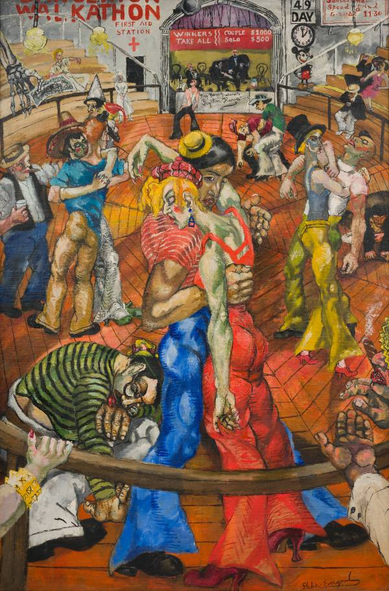
https://blanton.emuseum.com/objects/14537/dance-marathon

Although subtlety is not one of the virtues of Philip Evergood's 1934 "Dance Marathon", viewers today might well require an explanation of what dance marathons were in order to understand the picture.

Once the subject is clarified, the picture provides an excellent starting point for thinking about art and the Great Depression and the possibilities and problems of "political" art then and now.

"Dance Marathon" also offers a way into some important literature of the twenties and thirties, since a dance marathon is central to hardboiled writer Horace McCoy's 1935 novel "They Shoot Horses, Don't They?".

#DanceMarathon #PhilipEvergood #Art #USArt #AmericanArt #20thCenturyArt #1930s #GreatDepression #HoraceMcCoy #TheyShootHorsesDontThey #SocialRealism

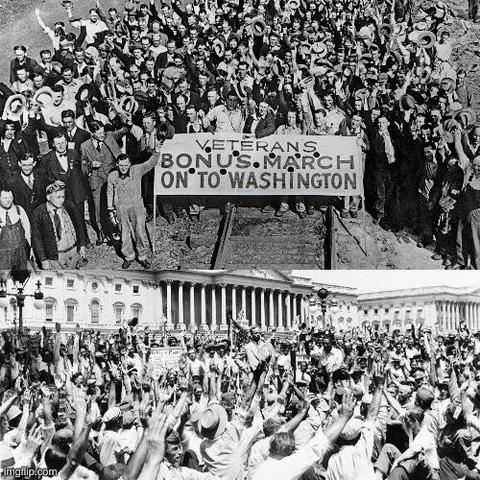
Facing harsh conditions of the #GreatDepression, a group of #WorldWarI #veterans, the #BonusArmy, gathered in Washington, D.C., on #ThisDayInHistory in 1932, to demand early a promised bonus. The Senate denied them & Hoover ignored them... until July, when things got violent...

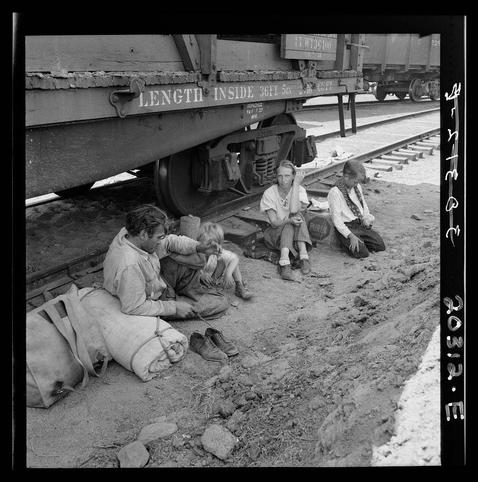
Family who traveled by freight train. Washington, Toppenish, Yakima Valley Toppenish, Yakima Valley, Wash. Aug. 1939. Family who traveled by freight train.

#Washington #Toppenish #YakimaValley #GreatDepression #America #DorotheaLange #American #theGreatDepression #Americans #undefined #photography #DorotheaLange

https://www.loc.gov/pictures/item/2017772704/

@masek
This, 100%.

But also, when the small company, shrunk a few rounds, founder old & retiring sells the company to a new owner/CEO, & that new CEO guzzles down the #AI Kool-Aid. Believes every promise. Mentally incapable of hearing any words of warning.

Beyond manufacturing, there’s a disastrous trend of discounting #InstitutionalKnowledge that may well deepen the next #GreatDepression

Frugal people share the best money-saving advice from parents and grandparents they still use

https://fed.brid.gy/r/https://www.upworthy.com/frugal-living-tips-ex1/

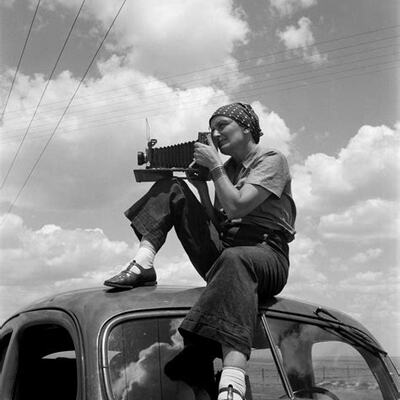
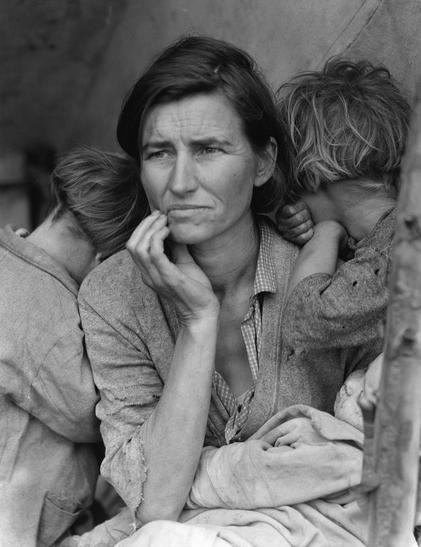
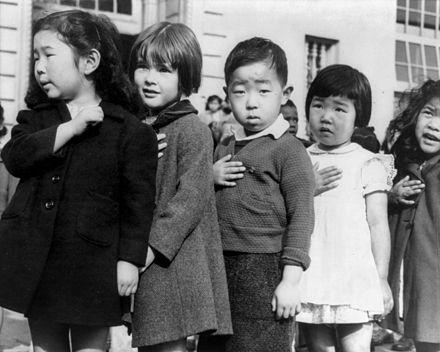
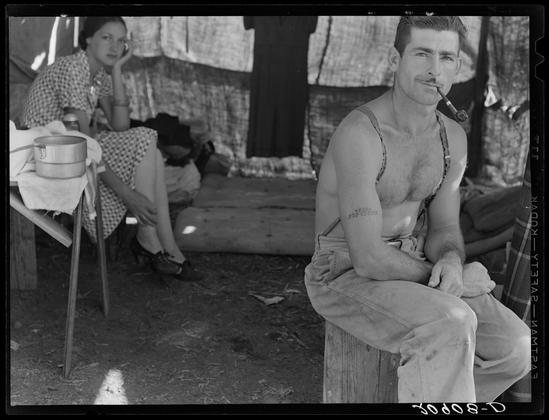
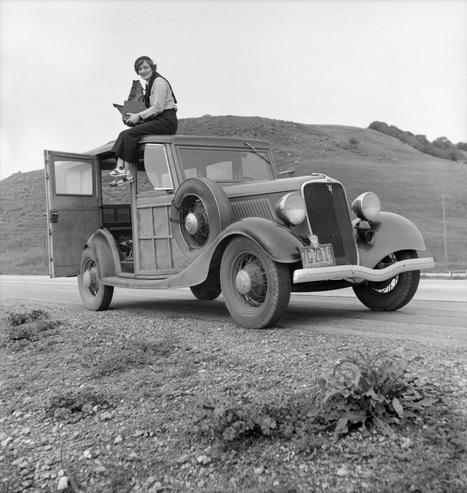
Today in Labor History May 26, 1895: American photojournalist Dorothea Lange was born. Here are a few of her photos.

#workingclass #LaborHistory #GreatDepression #poverty #journalism #photography #DorotheaLange #steinbeck #journalism #writer

Today in Labor History May 26, 1895: American photojournalist Dorothea Lange was born. She is best-known for her empathetic photographs of people during the Great Depression. However, she is also one of the first to document the suffering of Japanese Americans who were imprisoned during World War II.

Lange grew up poor, in New York’s Lower East Side. She was one of the only gentiles in her school, which was predominantly Jewish. As a young adult, she moved to San Francisco, where she began her career doing portraits for the wealthy. But as the depression began, she turned her camera to the streets, hobo camps, refugees from Oklahoma, farmers, breadlines, the homeless, portraying the misery and desperation of the period, becoming one of the first photodocumentarians. 22 of her photographs were used in John Steinbeck’s 1936 journalistic series for the San Francisco news, The Harvest of Gypsies, and they served as an inspiration for the film version of Steinbeck’s Grapes of Wrath.

#workingclass #LaborHistory #GreatDepression #poverty #ww2 #japanese #prison #ConcentrationCamp #journalism #photography #DorotheaLange #steinbeck #journalism #writer

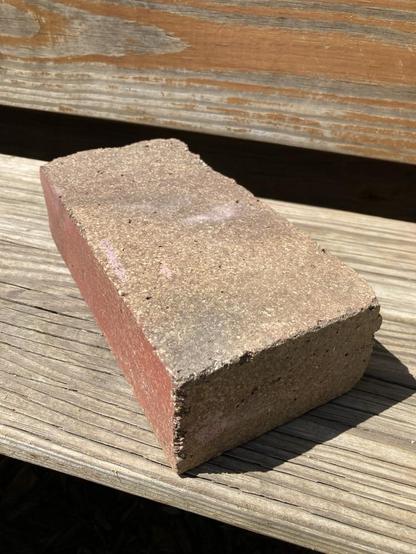
#History #Iowa #GreatDepression #Bricks

I’m aiming to make a post in my blog before the month is over. Possible titles are:

“And the Brick Played On”
or
“The Brick Abides”

Specifically, this brick (and about 160 more just like it):

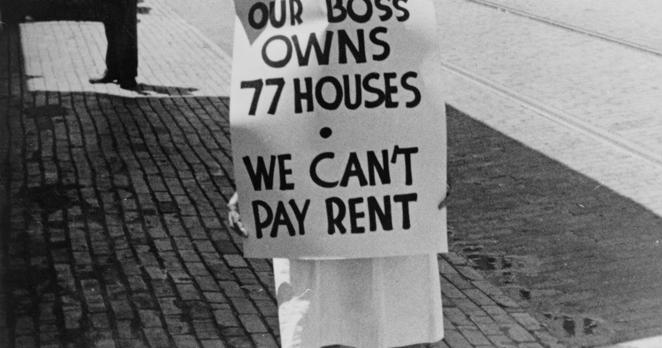
1938 Richmond tobacco workers protest over wages and housing inequality

📰 Original title: Woman Standing on a Street Holding a Sign Reading “OUR BOSS OWNS 77 HOUSES — WE CAN’T PAY RENT”

🤖 IA: It's not clickbait ✅
👥 Users: It's not clickbait ✅

View full AI summary https://en.killbait.com/1938-richmond-tobacco-workers-protest-over-wages-and-housing-inequality.html?utm_source=mastodon_world&utm_medium=social&utm_campaign=killbait.mastodon_world

#history #laborprotest #greatdepression #tob...

1938 Richmond tobacco workers protest over wages and housing inequality

This historical photograph captures a moment of labor protest in Richmond, Virginia, during October 1938, in the midst of the Great Depression. The image shows an unidentified woman standing on a street holding a sign that reads: “Our boss owns 77 houses • We can’t pay rent.” She was among African American tobacco workers who were actively participating in strikes and picketing campaigns demanding better wages and improved working conditions. The protest reflects the broader wave of labor activism in the United States during the 1930s, when economic hardship and deep inequality fueled organizing efforts across multiple industries. In the tobacco sector, Black women workers played a particularly significant role in pushing for fair pay and dignity in the workplace, despite facing both economic exploitation and racial discrimination. Their activism highlighted the stark contrast between wealthy employers accumulating property and assets, and workers struggling to afford basic necessities such as rent and food. The photograph was taken in the 900 block of North Lombardy Street in Richmond, an area where some of the buildings visible in the background, including the Wingo Co building, reportedly still exist today. The image is preserved in the Library of Congress as part of the NAACP records, underscoring its historical significance as documentation of labor rights struggles and African American activism during one of the most economically challenging periods in U.S. history.

KillBait