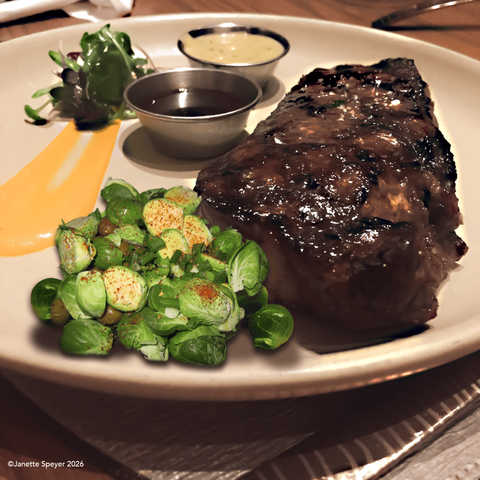
We eat “beef” but not “cow”… while chicken is chicken? The answer is in a story involving the Norman conquest, French-speaking nobility, and the peasants who raised the animals. foodculturebites.com/why-is-beef-... #FoodLanguage #FoodCultureBites #FoodCulture #DidYouKnow

Why Do We Call Cows
Why is beef called “Beef” and Chickens “Chicken”?

Why do cows become “beef,” pigs become “pork,” but chicken stays chicken? The answer hides a curious story of conquest, class, medieval England, and the collision of French and English culture that still shapes the words on our dinner tables today. We are connected to history, language, and food more than we realize.

foodculturebites.com

We eat “beef” but not “cow”… while chicken is chicken?
The answer is in this crazy story involving medieval England, the Norman conquest, French-speaking nobility, and the peasants who actually raised the animals. One language ruled the farm. Another ruled the dinner table.
It’s centuries of history hiding in plain sight.

Read the full story here: https://foodculturebites.com/why-is-beef-called-beef/

#FoodLanguage #FoodCultureBites #FoodCulture

Why is beef called “Beef” and Chickens “Chicken”?

Why do cows become “beef,” pigs become “pork,” but chicken stays chicken? The answer hides a curious story of conquest, class, medieval England, and the collision of French and English culture that still shapes the words on our dinner tables today. We are connected to history, language, and food more than we realize.

foodculturebites.com

We eat “beef” but not “cow”… while chicken is chicken? 👀🍗🥩 The answer is in this crazy story about medieval England, the Norman Conquest, the French-speaking nobility, and the peasants who actually raised the animals. One language ruled the farm. Another ruled the dinner table. It's centuries of history hiding in plain sight. #FoodLanguage #FoodCultureBites #FoodCulture #FoodHistory #DidYouKnow #FoodFacts

https://foodculturebites.com/why-is-beef-called-beef/?utm_source=flipboard&utm_medium=activitypub

Posted into FLIPBOARD USER GROUP @flipboard-user-group-JanetteSpeyer

Why is beef called “Beef” and Chickens “Chicken”?

Why do cows become “beef,” pigs become “pork,” but chicken stays chicken? The answer hides a curious story of conquest, class, medieval England, and the collision of French and English culture that still shapes the words on our dinner tables today. We are connected to history, language, and food more than we realize.

foodculturebites.com
What did we eat in the olden days? in this #surffeeds learn about what our ancestors ate and how it affected cultures. To read this feed sign up for @surf with this link surf.social/feed/surf%2F... Use access code Surf+JanetteSpeyer #foodhistory #foodculture #foodlanguage #food

Ancient Food History by Janett...
Bluesky

Bluesky Social

What did we eat in the olden days? Here in this #surffeeds
I share one of my hobbies learning about what our ancestors ate and how it affected cultures.
To read this feed sign up for @surf with this link

https://surf.social/feed/surf%2Fcustom%2F01jfgja5abr6dpcsq1fgaxknv0
Use access code Surf+JanetteSpeyer
#foodhistory #foodculture #foodlanguage #food

Food Culture Bites by Janette Speyer on Surf

Surf - What did we eat in the olden days? Explore the rich history and global traditions behind the foods we love. Food Culture Bites dives deep into flavor, culture, and story. #foodhistory #foodculture #foodlanguage #food #FoodCultureBites

Long shot, but thought I’d reach out anyway: Anyone here expert in the language of food and food lexicon, specifically wine lexicon, and the ways these can be gatekeeping? I’m leading a panel on this topic in January and seeking experts and resources. Thanks!

#wine #lexicon #linguistics #food #FoodLanguage #WineCriticism #WineWriting