 Art by Women - Women in Arts #PalianShow
Jitka Hanzlová (CZ/DE b.1958)
Jitka Hanzlová (b. 1958) is a Czech photographer. Currently livws and works in Germany. #PalianShow


Jitka Hanzlová (CZ/DE b.1958)
Jitka Hanzlová (b. 1958) is a Czech photographer. Currently livws and works in Germany. #PalianShowExhibition celebrates pioneering #FinnishPhotographer Claire Aho: https://zorz.it/YTmjG
#PesalaBandara #exhibition #HundredHeroines #UK #ColourMeModern #ClaireAho #FemalePhotographer #finnish #culture #WomanPhotographer

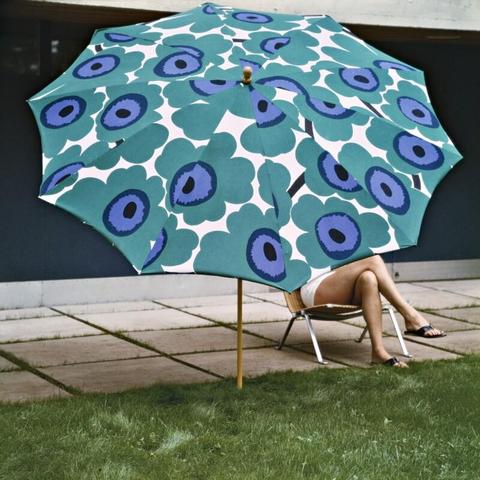
Kengyel-Bajimajor, Hungary, 1963
At the turn of the twentieth century there were an estimated 800 windmills in Hungary, mostly near the Danube and Tisza rivers. By the time this photo was taken, almost all commercial windmills had ceased operation. This one is clearly in decline and unusable. But I love how Gazda includes a single figure in the photo reminding us that buildings and structures derive their meaning from the people who work and live around them.
Fortepan [307392] / Anikó Gazda
#fortepan #Hungary #FemalePhotographer #windmill

Hungary, 1958
Happiness is a car, especially in late 1950's Hungary. Up until 1958, private ownership of cars was essentially prohibited. In 1958 restrictions were lifted and it was then possible, through the government, to buy a car. This car may have been one of the first.
Fortepan [307071] / Anikó Gazda
#fortepan #Hungary #FemalePhotographer

Hungary, 1961
A man looking at a wind pump. Gazda had a natural photographer's eye, and I love this example. If you look closely, you can see that the man is dressed in a large overcoat and wearing what looks like a fedora hat. In other words, a very urban man far from his usual office.
(I meant to add in my last Fortepan post introducing Anikó Gazda and her work that she is yet another example of a previously neglected female photographer finally getting some sort of recognition. Let's hope that the nearly 2,000 photos recently added to the Fortepan archive give her and her work greater prominence.)
Fortepan [307728] / Anikó Gazda
#fortepan #Hungary #FemalePhotographer


 Unofficial PetaPixel Bot
 Zorz Studios
 Paul H
 Claire Christine Sargenti
 Claire Christine Sargenti