 tech news ᳇ eicker.news
A new #AItool, created by Dartmouth professor Sean Westwood, can answer #onlinesurvey questions with near-flawless #accuracy, #bypassing #detectionmethods 99.8% of the time. This poses a significant threat to #onlinesurveyresearch, as the AI can manipulate survey results by mimicking #humanresponses and demographics. https://www.404media.co/a-researcher-made-an-ai-that-completely-breaks-the-online-surveys-scientists-rely-on/?eicker.news #tech #media #news

 AdriftLab
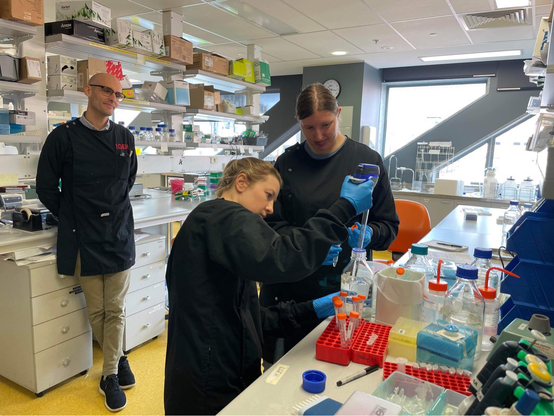
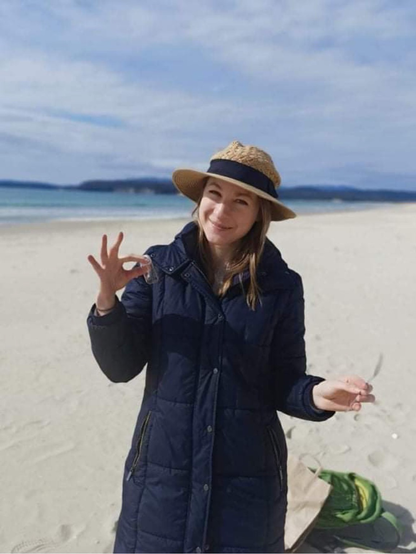
🚨NEW PAPER ALERT🚨 recent #AdriftLab MSc graduate Karli Mylius has published her first, first-author paper - yay yay👏
Our research focused on the ingestion of #nanoplastics by #shorebirds as few data exist, globally. To do this, we also collected data on #plastic particles in beach #sediments from locations where we saw the birds actively feeding in #Tasmania.
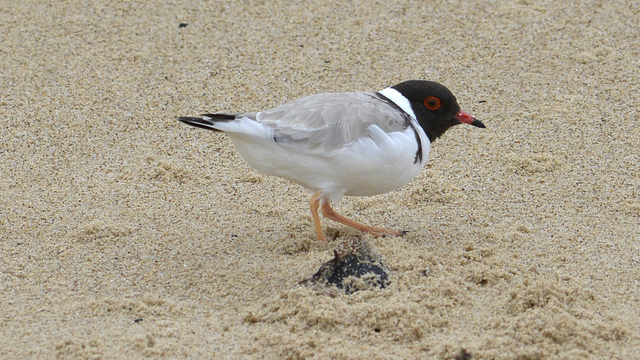
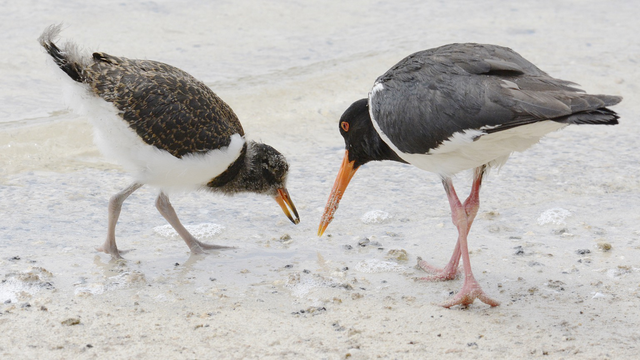
We studied #HoodedPlover (Vulnerable species) and #PiedOystercatcher (📸 credit Eric J Woehler) & found 1000s of tiny plastics in ALL of the birds and sediments we examined, no matter how remote the location.
Hooded Plovers have shorter beaks, and because of this, they feed in shallower (surface) sediments where more plastic has been shown to accumulate. Not surprisingly, their #guano 💩 contained 32× more plastics, on average, than Pied Oystercatchers! 😳😢
We gratefully acknowledge the #TraditionalOwners of lutruwita, where this research was undertaken and funding from BirdLife TAS and a generous philanthropist who directly supported both students involved in this project during the 2022 cost of living crisis.
ACCESS THE PAPER HERE (free to download for 50 days) ➡️
https://authors.elsevier.com/c/1gNvZzLNScBJk
#FlowCytometry #FTIR #microplastics #beaches #DetectionMethods #ParticleSize