 Editor
SWANSEA: City’s university joins £65m national mission to overhaul UK nuclear power
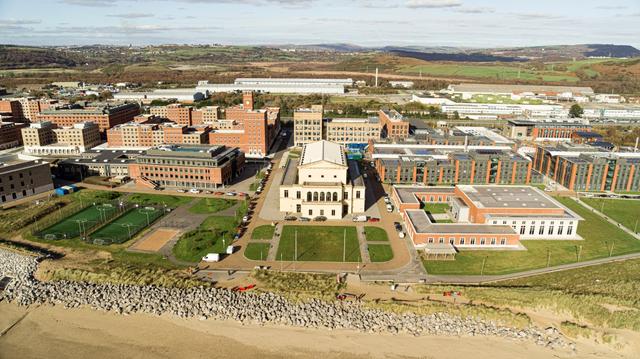
The Swansea institution will be a key partner in the new DRIVERS (Developing Researchers with an Interdisciplinary Vision for Engineering Reactor Systems) initiative.
The project brings together experts from Swansea University, Imperial College London, Bangor University, the University of Bristol, and the University of Manchester.
The UK Government says the funding, delivered by UK Research and Innovation, will train a new generation of scientists to secure Britain’s energy future.
Swansea’s specialists will focus on critical areas including reactor physics, thermal hydraulics, and the structural integrity of advanced reactor components.
The team will also develop innovative digital tools designed to accelerate the design and operation of future nuclear reactors.
It comes as the government announces a total overhaul of the nuclear planning system to build new infrastructure faster and cheaper.
The move is part of a wider mission to end Britain’s dependence on “volatile” foreign fossil fuel markets and deliver homegrown power.
Energy Secretary Ed Miliband said: “We need to go further and faster to build the clean energy we need to get off volatile fossil fuel markets.”
The DRIVERS programme is one of seven research initiatives backed by the new funding, which will be matched by industry partners.
Across the UK, more than 500 doctoral students will be trained to support the clean energy mission and the national nuclear deterrent.
The government believes the “clean energy superpower” mission will support tens of thousands of skilled jobs nationwide by 2030.
Swansea University’s involvement ensures the city plays a part in research of “critical importance” to national security.
It follows other major local developments, such as the £130k permanent Covid memorial planned for the seafront.
Chancellor Rachel Reeves added: “To build national resilience, drive energy security and deliver economic growth, we need nuclear.”
“We’re overhauling the system, getting rid of duplicative or overly complex guidance that has been holding back our nuclear ambitions.”
The investment is expected to support 65,000 highly skilled, well-paid jobs across the sector over the next decade.
#DepartmentForEnergySecurityNetZero #DRIVERS #EdMilibandMP #education #energy #EnergySecretary #EnergySecurity #Engineering #NuclearPower #RachelReevesMP #research #Swansea #SwanseaUniversity #UKGovernment