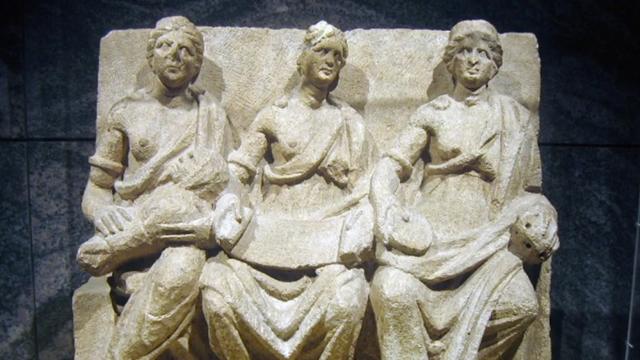
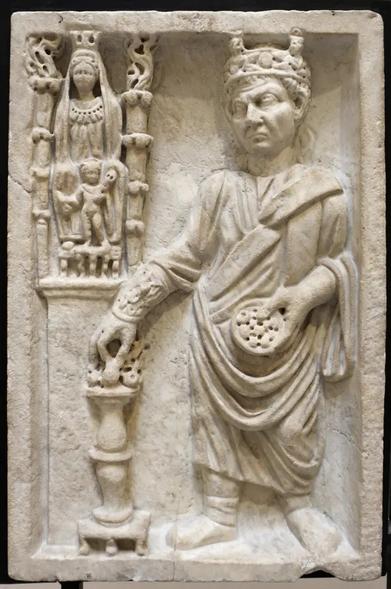
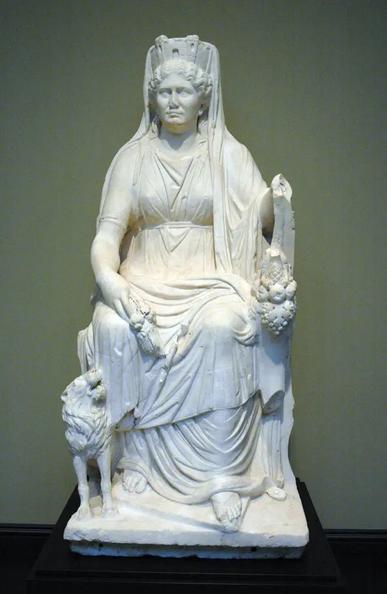
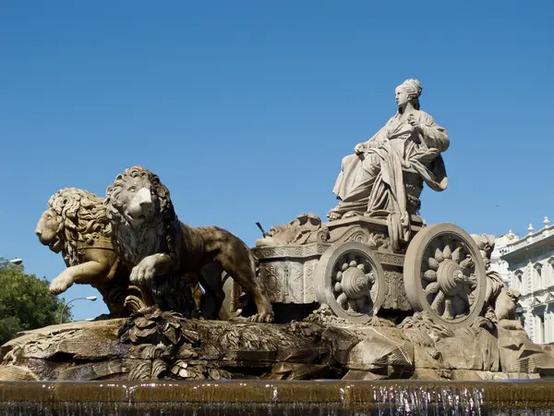
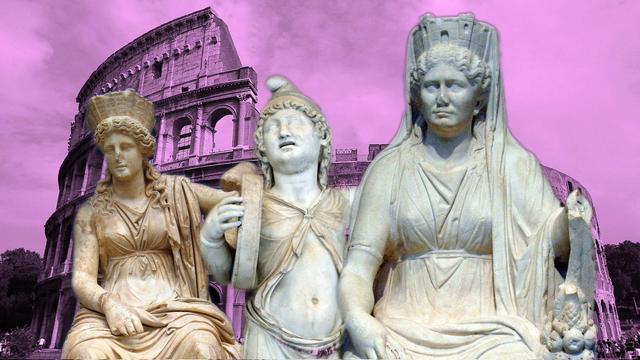
🪷 March 25th is the #Hilaria (Feast of Joy) celebrating the transgender rebirth of #Attis in a spring festival honoring Magna Mater #Cybele and Attis. In March 129 AD #Antinous & #Hadrian visited Pessinus Phrygia ruled by Cybele's transgender priests, called "galloi" in Greek and "galli" in Latin. Full details here: https://antinousstars.blogspot.com/2026/03/antinous-in-pessinus-home-of-gender.html 🪷
https://www.wacoca.com/news/2788536/ 新年度のあいさつで贈りたい「山形県のお土産」ランキング! 2位「ラスクフランス」、1位は?【2026年調査】 – All About ニュース #CYBELE #Yamagata #お土産 #ラスクフランス #ランキング #山形 #山形県 #手土産 #登記波 #米沢牛ビーフカレー

Plongez dans l’éveil de Gaïa avec cette critique de La Terre Cybèle par Belinda Bonazzi. Ce thriller éco-mythologique explore l'hypothèse de James Lovelock à travers une quête mondiale pour protéger l

#belindabonazzi #cybèle #Écothriller #hypothèsegaïa #laterrecybèle #sciencefiction

https://projetcampus.fr/la-terre-cybele-une-fresque-eco-mythologique-au-coeur-de-lurgence-climatique

La Terre Cybèle : Une Fresque Éco-Mythologique au Cœur de l’Urgence Climatique – Projet Campus

Critique de La Terre Cybèle : Belinda Bonazzi mêle mythes et hypothèse Gaïa pour sauver la Terre d'un chaos imminent

Projet Campus

Le Dossier De Presse
« La terre Cybèle » Un roman de Belinda Bonazzi

Genre : Science-Fiction / Thriller Écologique / Aventure Mythologique

Thématique : L’hypothèse Gaïa et la survie de la biodiversi

#belindabonazzi #cybèle #Écothriller #hypothèsegaïa #laterrecybèle #sciencefiction

https://projetcampus.fr/la-terre-cybele-une-fresque-eco-mythologique-au-coeur-de-lurgence-climatique

La Terre Cybèle : Une Fresque Éco-Mythologique au Cœur de l’Urgence Climatique – Projet Campus

Critique de La Terre Cybèle : Belinda Bonazzi mêle mythes et hypothèse Gaïa pour sauver la Terre d'un chaos imminent

Projet Campus

A new study reveals the Kastas Tomb in Amphipolis was aligned with the winter solstice, linking it to ancient solar rituals and the cult of Cybele—suggesting it served as a cosmic tribute to Hephaestion, Alexander the Great’s closest companion.

https://wildhunt.org/2025/06/light-legacy-and-cybele-new-clues-at-the-kastas-tomb.html

#archaeology #athens #kastastomb #cybele #rituals #hephaestion #turkiye #alexanderthegreat #ancientgreece #pagan

Light, Legacy, and Cybele: New Clues at the Kastas Tomb

A new study reveals the Kastas Tomb in Amphipolis was aligned with the winter solstice, linking it to ancient solar rituals and the cult of Cybele—suggesting it served as a cosmic tribute to Hephaestion, Alexander the Great’s closest companion.

The Wild Hunt
🪷 March 25th is the #Hilaria (Day of Joy) celebrating the transgender rebirth of #Attis in a spring festival honoring Magna Mater #Cybele and Attis. In March 129 AD #Antinous & #Hadrian visited Pessinus Phrygia ruled by Cybele's transgender priests, called "galloi" in Greek and "galli" in Latin. Full details here: https://antinousstars.blogspot.com/2023/03/antinous-in-pessinus-home-of-gender.html 🪷
<font face="times new roman" size="+2" color="#FFFFFF"><center><B>ANTINOUS IN PESSINUS <br>HOME OF GENDER-FLUID PRIESTS OF PHRYGIA</B></center></font>

IN   March of 129 AD Antinous and Hadrian arrived in the ancient city of Pessinus in Phrygia which was the cult center of the Great Mother o...

~ The Goddess Cybele, part VI ~

Cybele was one of many cults that appeared in Rome. Some were considered harmless, the Cult of Isis for example, and allowed to survive while others, like Bacchus, were seen as a serious threat to the Roman citizens and were persecuted.

Of course, almost all of these cults disappeared with the arrival of Christianity when Rome became the center of this new religion. The Cult of Cybele lasted until the 4th century CE, at which time Christianity dominated the religious landscape and pagan beliefs and rituals gradually became transformed or discarded to suit the new faith.

Illustration : Silver tetradrachm of Smyrna, head of Cybele wearing a mural crown

#cybele #mythology #antiquity #archeology #art #arthistort #history #painting #womenfromhistory
~ The Goddess Cybele, part V ~

In Rome, Cybele's popularity continued to flourish, partially due to her spring festival held in March (some sources say April) called the Megalensia. The festival included public games as well as a theatrical performance at Circus Maximus. It began on March 15 with a procession of reed-bearers (cannophori) and a ritual sacrifice; the latter was for the successful planting of spring crops.

On March 22, after a week of fasting and purification, a pine tree (the symbol for Attis) was brought to Palatine Hill temple. Later, there was a banquet — a day of joy or Hilaria. Next came the Day of Blood, March 24, representing the castration and death of Attis. The celebration closed on March 25 with a ritual bath or lavation of Cybele's image. All of the cult's priests or Galli were eunuchs, something that initially prevented Roman citizens from joining. Until the reign of Claudius, Roman law stated that no one could maintain his citizenship if he became a eunuch.

Illustration : Bronze fountain statuette of Cybele on a cart drawn by lions 2nd century CE

#cybele #mythology #antiquity #archeology #art #arthistort #history #painting #womenfromhistory

~ The Goddess Cybele, part IV ~

Important to the worship of Cybele was Attis, the Phrygian god of vegetation, also considered a resurrection god (similar to the Greek Adonis). Supposedly, Attis was Cybele's lover, although some sources claim him to be her son. Unfortunately, he fell in love with a mortal and chose to marry.

According to one story, on the day of their wedding banquet, the irate and jealous goddess apparently struck panic into those who attended the wedding. Afraid for his own safety (no mention is made of his bride), the frightened groom fled to the nearby mountains where he gradually became insane, eventually committing suicide but not before castrating himself. Regaining her own sanity, the remorseful Cybele appealed to Zeus to never allow Attis's corpse to decay. Myth claims that he would return to life during the yearly rebirth of vegetation; thus identifying Attis as an early dying-and-reviving god figure.

Illustration : Cybele and Attis (seated right, with Phrygian cap and shepherd's crook) in a chariot drawn by four lions, surrounded by dancing Corybantes (detail from the Parabiago plate; embossed silver, c. 200–400 CE, found in Milan

#cybele #mythology #antiquity #archeology #art #arthistort #history #painting #womenfromhistory