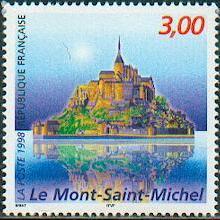
Philately - UNESCO World Heritage on stamps /
Philatélie - Patrimoine Mondial de l'UNESCO et timbres /
Filatelie - Patrimonio Mundial UNESCO y sellos /
Philatelie - UNESCO Welterbe und Briefmarken
For the Incas finely worked and highly decorative textiles came to symbolize both wealth and status, fine cloth could be used as both a tax and currency, and the very best textiles became amongst the most prized of all possessions, even more precious than gold or silver. https://www.worldhistory.org/article/791/inca-textiles/#History#Atahualpa#Coricancha#Cuzco
Inca Textiles
For the Incas finely worked and highly decorative textiles came to symbolize both wealth and status, fine cloth could be used as both a tax and currency, and the very best textiles became amongst the...
Pachacuti Inca Yupanqui (often simply Pachacuti or Pachacutec) was the 9th Inca ruler (r. 1438 - 1471 CE) who founded their empire with conquests in the Cuzco Valley and beyond. Pachacuti is also credited...
The Inca civilization flourished in ancient Peru between c. 1400 and 1533 CE. The Inca Empire eventually extended across western South America from Quito in the north to Santiago in the south. It was...
Inti was the Inca god of the sun and considered all-powerful but he was also a benevolent god and capable of great generosity. However, Inti could be angered and he would demonstrate his displeasure...
The religious complex of Coricancha (Qorikancha) in the Inca capital at Cuzco contained the Temple of the Sun which was not only the most sacred site or huaca in the Inca religion but was considered...
The Inca civilization flourished in ancient Peru between c. 1400 and 1533 CE, and their empire eventually extended across western South America from Quito in the north to Santiago in the south. It is the largest empire ever seen in the Americas and the largest in the world at that time. https://www.worldhistory.org/Inca_Civilization/#Atahualpa#ChanChan#Coricancha
Inca Civilization
The Inca civilization flourished in ancient Peru between c. 1400 and 1533 CE. The Inca Empire eventually extended across western South America from Quito in the north to Santiago in the south. It was...
A quipu (khipu) was a method used by the Incas and other ancient Andean cultures to keep records and communicate information using string and knots. In the absence of an alphabetic writing system, this simple and highly portable device achieved a surprising degree of precision and flexibility. Quipu could record dates, statistics, accounts, and even abstract ideas. Quipu are still used today ac...https://www.worldhistory.org/Quipu/#Atahualpa#Coricancha#Cuzco
Quipu
A quipu (khipu) was a method used by the Incas and other ancient Andean cultures to keep records and communicate information using string and knots. In the absence of an alphabetic writing system, this...