 Lowyat.NET
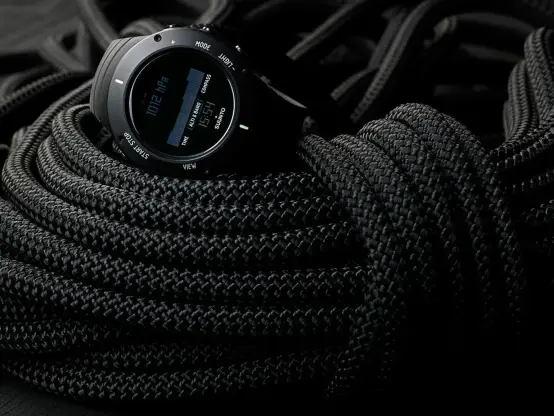
Suunto Core 2 Listed On SIRIM; May Feature Multi-Year Battery Life #core2 #rumoursleaks #smartwatches #suunto #wearables
 LinuxGizmos.com [Unofficial]
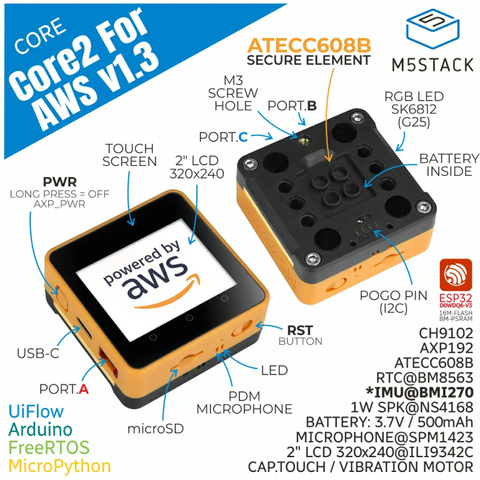
M5Stack Refreshes Lineup with CardKB2 Keyboard, ESP32-P4 Modules, and Core2 for AWS
 R (rolandinsh)
bet ar lielāku prioritāti pagaidām https://pictotag.com pabeigt tā, lai caur to pašu #Core2 / #raxtis API var darbināt.
Ha, mans #fediverse sekotājs, joprojām strādā pašplūsmā, kamēr meklēju labāko teksta redaktoru (pagaidu).
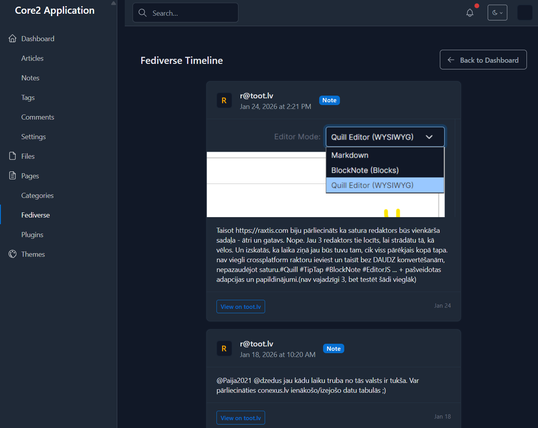
Iespējams, beidzot atradu īsu nosaukumu ar brīvu domēnu un nav rupjība citā valodā. Vārds nav Google atrodams. Jācaurskata vēl preču zīmju reģistri, bet... Izskatās, ka būs nosaukums manam ne-CMS.
Ienāca prātā pirms gulētiešanas.
Tad varētu tikt vaļā no working title #Core2
Ienāca prātā pirms gulētiešanas.
Tad varētu tikt vaļā no working title #Core2
haha, #Antigravity limitu sasniedzu nepilnās divās stundās ar Gemma 3 pro High https://antigravity.google/docs/plans => "Our modeling suggests that a very small fraction of power users will ever hit the per-five-hour rate limit, so our hope is that this is something that you won't have to worry about".
Es tikai palūdzu sakārtot dokumentācijas failus, kas #core2 izstrādājot bija novecojuši, neattīstītas idejas, un citu eksperimenti. Tagad iztīrīts un sakārtots.

Atceraties, kā veidoju savu #WordPress alternatīvu. Ļoti iespējams, ka minimālā versija ir gatava.
DAAAAUDZ kas vēl uzlabojams, bet teksti ir, tagi ir, kategorijas ir, failu pievienošan, atrādīšana ir, autori ir, API ir. Var rakstīt Markdown vai block redaktorā ar "/" komandām... vai visu pievienot caur REST API.
Pagaidām ir divu tipu saturs - raksti (articles ar rich edotor) un piezīmes (Notes, plain text (not markdown)). Notes ir SMS tipa saturs.
Nosaukuma vēl nav... #Core2 pagaidām.
 LeRoy Miller
I am confused by this #M5Stack #Core2 controller thou - Both of my others show up as /dev/ttyUSB0 devices, this one shows a /dev/ttyACM0 device - So I thought maybe it was an updated device, but when I opened it, it appears to be the same as the older ones I have (v1.0) devices, This one also seems like it uses different PSRam, original factory demo which works on my old devices crash this one, but the new (v1.1) factory demo works. PSRam was the big change between the two versions.


 Aptivi
Linux systems with Intel Core 2 will no longer face boot delays
A bug was introduced in one of the Linux kernel updates in 2019 that affected all systems that used the Intel Core 2 processors. It caused those systems to face a boot delay of more than 60 seconds when clock source was being switched. The bug was not dealt with until late February 2025 when there was a fix being applied to the Linux kernel.
After almost six years of the fix not being applied to the Linux kernel, the Linux kernel has finally received this fix. According to the commit details, it added a workaround that marked the TSC clock source as unstable if the affected CPUs could stop in TSC level C2 or deeper but the CPU didn’t have the non-stop TSC. If both conditions were true, the TSC would have been marked as unstable with the reason of “TSC halts in idle.”
This eliminates the boot delay of more than 60 seconds experienced by users like this user who reported the bug to the Linux kernel mailing list. They had to add a boot parameter to the Linux kernel, tsc=unstable, in order to eliminate the delay. This meant that you’d have to add this parameter to the boot manager’s Linux kernel parameters if you wanted this be fixed permanently. Another workaround was that to press the power button to immediately continue the boot process and to eliminate the delay.
The fix is planned to be backported to all the kernel release series that are currently supported once the fifth release candidate of Linux 6.14 gets released with this fix. This will fix systems that face this kind of delay in the latest versions of Linux distributions. Hence, you’ll no longer need to rely on workarounds like adding a boot parameter to the kernel or pressing the power button.
https://audiomack.com/aptivi/song/linux-systems-with-intel-core-2-will-no-longer-face-boot-delays
#Core2 #Core2Duo #intel #IntelCore2 #IntelCore2Duo #Kernel #Linux #LinuxKernel #news #processor #Tech #Technology #update
 dedSyn4ps3
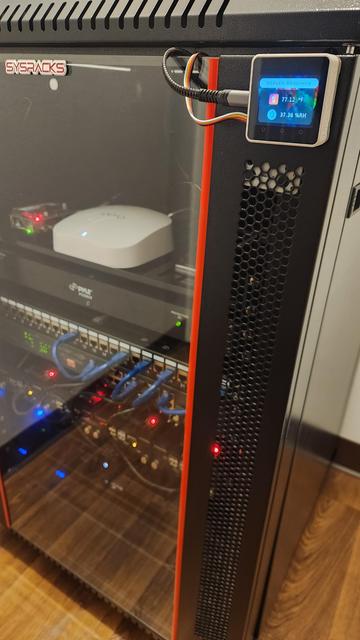
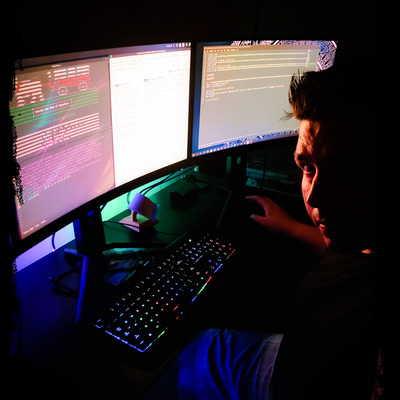
One other benefit of the new cabinet that I just realized, is that I now have the ability to mount one of my awesome @m5stack #Core2 #microcontrollers to better monitor internal cab temperatures! 💯🤘😎 #iot #programming