#FoodChains in #Caribbean #coralreefs are getting shorter
#Fish on modern #coral reefs may face more competition for resources than 7,000 years ago.
Habitat loss and #overfishing push species to compete for fewer resources and repositioned some fish within ecosystem’s #foodchain. Findings suggest fish could be less able to adapt if food sources suddenly become scarce, perhaps making reefs even more vulnerable in an already changing environment.
https://www.sciencenews.org/article/coral-reef-food-chain-caribbean
https://archive.ph/gi2Jg
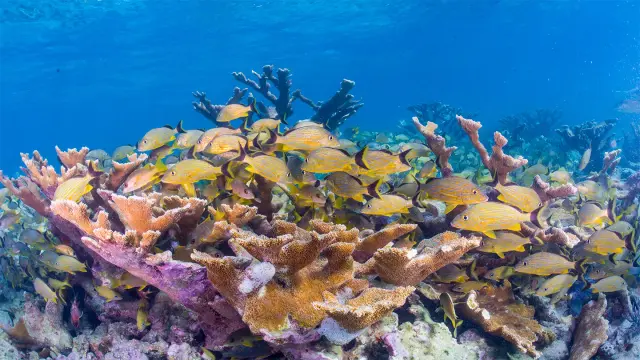
Food chains in Caribbean coral reefs are getting shorter

Shorter food chains could mean reefs are less able to weather changes in food availability, threatening an already vulnerable ecosystem.

Science News
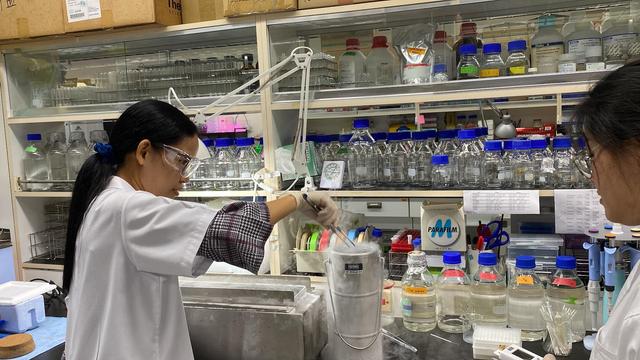
Thailand's coral reefs are being preserved through a cryobank initiative. This matters for global biodiversity. What role can conservation efforts play in protecting our oceans? #CoralReefs #OceanConservation #Biodiversity 🐳 https://news.mongabay.com/2026/02/in-thailand-a-coral-cryobank-tries-to-buy-time-for-dying-reefs/
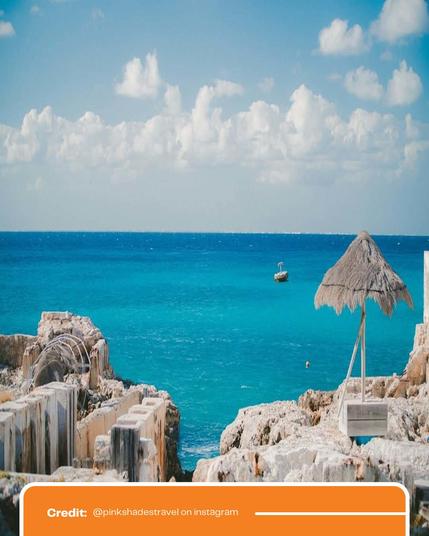
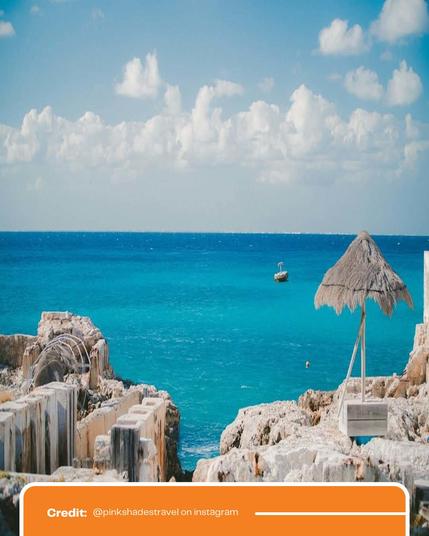
Fun fact about Cozumel Island. It is home to the Mesoamerican Reef, the second largest coral reef system in the world, drawing divers from everywhere. #DivingParadise #CoralReefs #vctnrun Image Credit:@pinkshadestravel on instagram
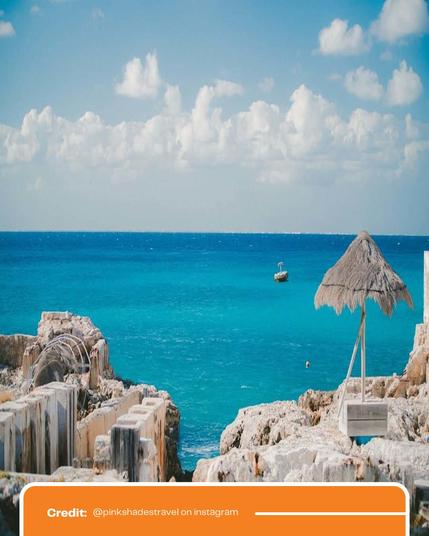
Fun fact about Cozumel Island. The island is home to the second largest coral reef system in the world, making it a paradise for divers. #CoralReefs #DiveParadise #jrnyjoy Image Credit:@pinkshadestravel on instagram
Hidden Cures in #CoralReefs? ETH Zurich researchers have discovered hundreds of #Microbes living among corals. They produce substances with potential for medicine and biotechnology and add new value to these ecosystems.

An endangered natural pharmacy...
An endangered natural pharmacy hidden in coral reefs

Researchers at ETH Zurich have identified hundreds of microbial species living among corals. These microbes produce a variety of substances with untapped potential for medicine and biotechnology, making the reef ecosystem even more valuable than previously recognised. . 

ETH Zurich

18-Feb-2026
Accelerated coral reef collapse
#Ocean researchers call for revision to environmental policy surrounding #coralReefs

https://www.eurekalert.org/news-releases/1116946

#science #climateCatastrophe #environment #ecology

Accelerated coral reef collapse

The United States government is rolling back conservation policies in a way that demonstrably risks accelerating already at-risk coral reefs around its island territory Guam in the Pacific Ocean. Part of the issue is the way the Endangered Species Act (ESA) is defined. Researchers from the University of Tokyo, University of Guam, University of Technology Sydney and Cornell University strongly suggest broadening key species categories such that reefs are more generally protected. At present, overly specific terminology means anything outside key categories doesn't fall under the ESA and is therefore open to further human interference. 

EurekAlert!
Fun fact about Cozumel Island. It's home to the second largest coral reef system in the world, making it a premier spot for scuba divers. #DiveParadise #CoralReefs #advntrup Image Credit:@pinkshadestravel on instagram

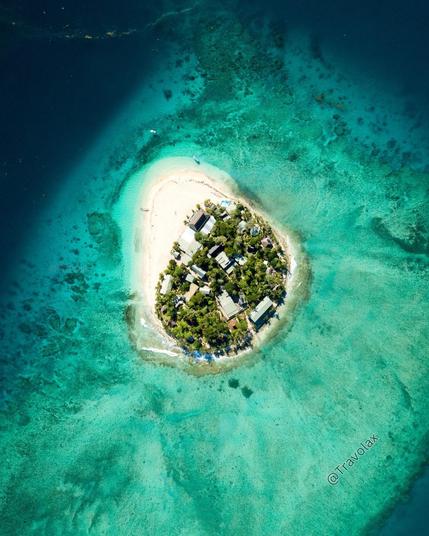
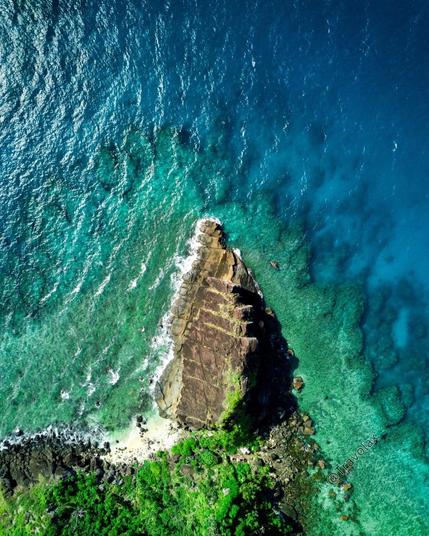
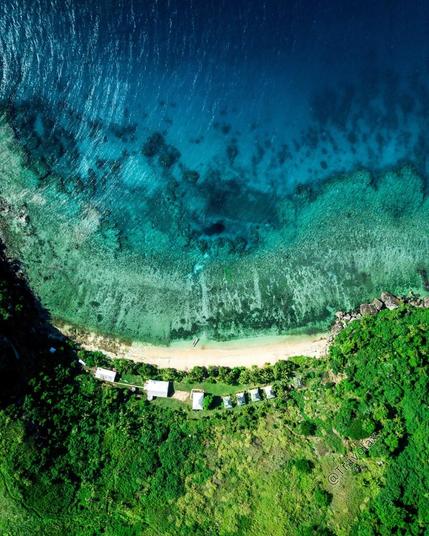
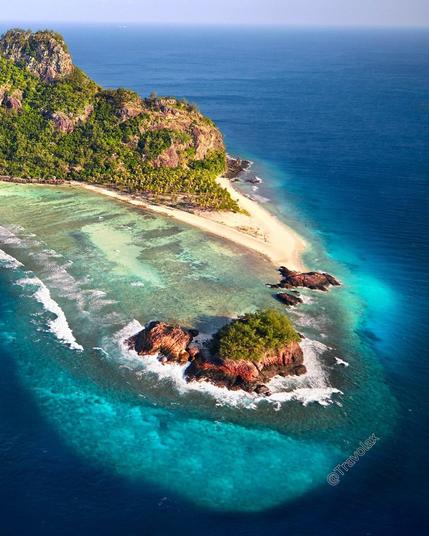
Look down to find your next adventure in Fiji.

#fiji #aerialviews #tavarua #coralreefs #travel

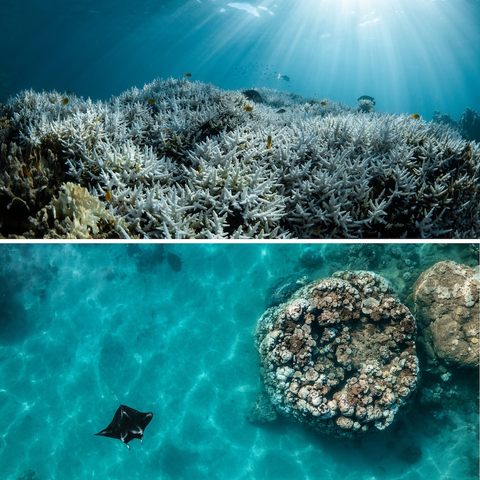
Half of the world's coral reefs suffered major bleaching during the 2014–2017 global heat wave, estimates suggest https://phys.org/news/2026-02-world-coral-reefs-major-global.html

#environment #coralreef #coralreefs #weather #temperature #heat #heatwave #heatwaves

Half of the world's coral reefs suffered major bleaching during the 2014–2017 global heat wave, estimates suggest

Benefits to society from coral reefs, including fisheries, tourism, coastal protection, pharmaceutical discovery and more, are estimated at about $9.8 trillion per year. For the first time, an international team led by Smithsonian researchers estimated the extent of coral bleaching worldwide during a global marine heat wave, finding that half of the world's reefs experienced significant damage. Another heat wave began in 2023 and is ongoing.

Phys.org