 Mbingu
language always creates consciousness that is collective
 anoncheg
Title: P1: Offtopic: There are two worlds inside and outside. [2025-03-22 Sat]
above any rules and mechanics. Or prioritize inner to
outside.
蠡 #thoughs #health #mental #psycho #psychology #victory #poetry #rules #conciousness #timskold
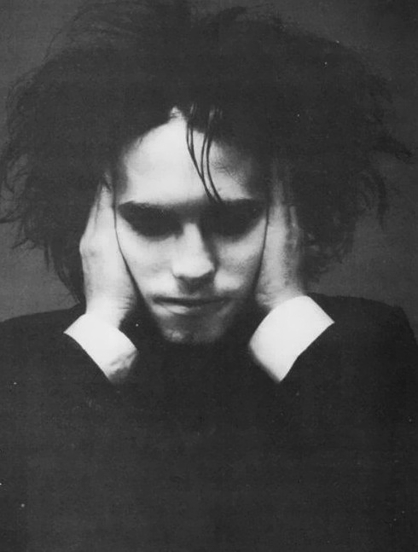
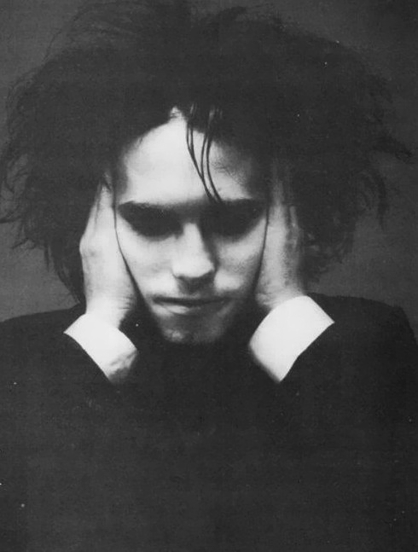
Title: P0: Offtopic: There are two worlds inside and outside. [2025-03-22 Sat]
You will never win here, that is why we will really
try to do this now. Just holding on is not a try at all.
When real purpose of life is a pleasure.
Conciousness grow out from reflexes.
Meaning of life for self-consciousness is to get control #thoughs #health #mental #psycho #psychology #victory #poetry #rules #conciousness #timskold
 Nagaram
Reading Sam Harris's "Waking Up" gives the same vibes as when I read "the Satanic Bible" by Anton Levay.
It has interesting ideas and actionable advice to improve my spiritual life through meditation and contemplation, but it also refuses to present that in an isolated way because both books are positioned against something.
The Satanic bible isn't just self help its self help WHILE ALSO hating Christians.
Waking Up isn't just a book on consciousness and meditation its that WHILE ALSO being mean about the traditions that spawned the ideas.
Its the exact hateful tone that pushed me far outside of the Nu-Atheist movement a life time ago and its still gross.
Yes
No
results
Poll ended at .
 Catherine Schmidt
Protect science! 🧪
 Tradeless Earth
You Can't Fight the System while Feeding it.
YOU CAN'T FIGHT THE SYSTEM WHILE FEEDING IT
https://www.youtube.com/watch?v=QWlf9X5OIOI&t=203
#fascism #eattherich #anarchism #action #communitybuilding #walkthetalk #sdismantlezionism #antiauthoritarianism #conciousness
You Can't Fight the System while Feeding it
 Levka
Levka"How Words Shape Consciousness: New Research Reveals the Deep Link Between Language and Awareness
Most, if not all, of the leading theories maintained that what entered our conscious awareness was perforce important. It concerned competing for work, say, or staying safe in a crisis.
But how do our theories of consciousness account for the banalities, the trivialities and all the seemingly arbitrary bits and bobs of mental flotsam that have no bearing on our survival, yet occupy so much of our waking thoughts?
A neuroscientific perspective on consciousness might tell us something about its neural correlates, but it is unlikely to tell us much, if anything, about the nature of thoughts or the textures of inner experience; it’s the wrong tool for that job. So what might we learn about consciousness if we gave more weight to the view from inside the experience – the phenomenological viewpoint?

 Utsob Roy 🖖
I think I am not far from the truth if I state that the natural faculty of our brain to follow reason step-by-step is a natural development of our sense of causality which itself is based on how we perceive time as a flow.

 Game Master's Book Club
#52booksin52weeks 29. Set in the Arctic/Antarctic - The Golden Compass by Philip Pullman #goldencompass #DarkMaterials #yafantasy #yaseries #authority #rebellion #ComingOfAge #ReligionVsScience #deception #TheSoul #conciousness #polarbears #daemons #Bookstagram #booktok #booksky #ttrpgpodcast #gamemaster #gamemastersbookclub https://www.k-squareproductions.com/gmbc
