Thorsten Sterk
For a long time, Hamburg was the only German state where a mini-public had never been held. That changed in 2026.
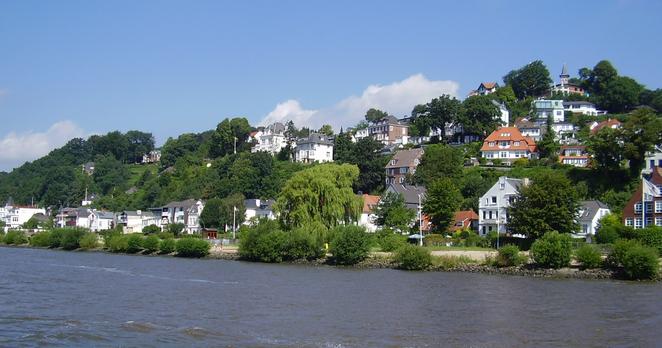
The city of Brussels successfully used random selection to solve a mediaeval crisis – and could do so again.
Great read from @hughpope
https://www.linkedin.com/pulse/sortition-goes-back-further-brussels-than-many-people-hugh-pope-73rmf

Sortition goes back further in Brussels than many people think
The city successfully used random selection to solve a mediaeval crisis – and could do so again Sortition – the random selection of groups of people to study, deliberate and decide on a disputed topic – struggles to be seen as a credible option for making policy. Quite often, people haven’t even hea
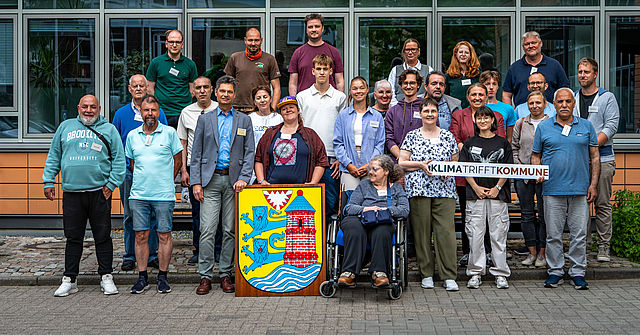
Flensburg is the first local authority in Schleswig-Holstein to hold a Citizens’ Jury followed by a local referendum. On 30 May 2026, the mini-public adopted 29 recommendations on the future of transport in the Baltic Sea city.
https://www.buergerrat.de/en/news/citizens-jury-with-referendum-in-flensburg/
On 30 May 2026, the “Rheinisches Revier” Citizens’ Assembly has started, providing residents with an opportunity to play an active role in shaping their region and to put forward ideas for structural change.
https://www.buergerrat.de/en/news/shaping-the-future-in-the-rhineland-mining-area/

In December 2025, the Netherlands’ first national Citizens’ Climate Assembly had handed over 82 recommendations to the government. On 29 May 2026, the government announced that it would implement at least half of the citizens’ proposals.
https://www.buergerrat.de/en/news/your-voice-has-been-heard/
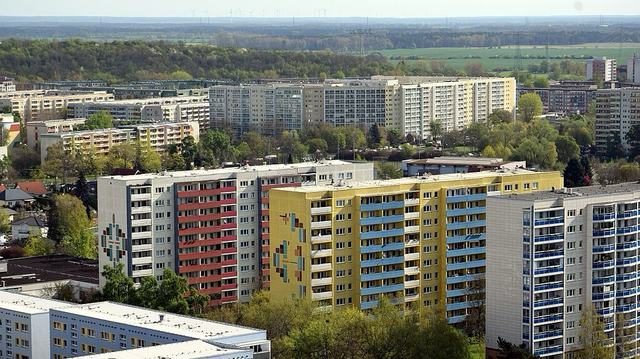
In the Berlin district of Marzahn-Hellersdorf, a citizens’ jury has drawn up 28 recommendations on the topic of ‘heat protection’ in Marzahn-Nord. In a residents’ survey, the majority supported the jury’s key recommendations.
https://www.buergerrat.de/en/news/heat-protection-for-marzahn-nord/
Between March and May 2026, 150 citizens selected at random from all 27 EU Member States discussed the topic of preparedness in a Citizens’ Panel. This resulted in 20 recommendations.
https://www.buergerrat.de/en/news/citizens-advise-eu-on-preparedness/
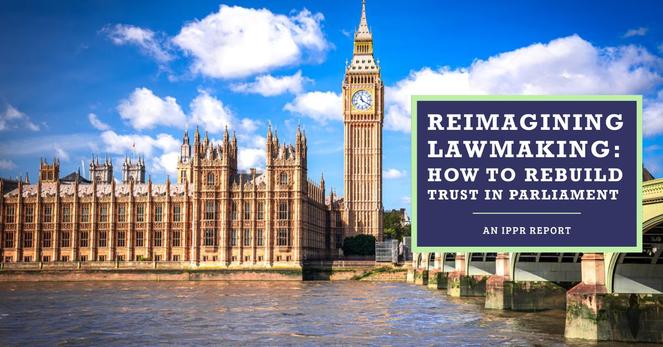
People in the UK feel that politics is something that is done to them, not with them. This must change, IPPR says. Citizens‘ assemblies could help.
https://www.ippr.org/articles/reimagining-lawmaking-how-to-rebuild-trust-in-parliament
 Richard Ashwell
Last summer, the #HouseOfThePeople was convened in London for its first sitting.
For the first time, a national grassroots movement set the programme for a #CitizensAssembly and is now championing the results. To demand change in the face of wealth inequality, genocide and climate breakdown, citizens drafted The #peoplescharter.
https://www.houseofthepeople.uk/the-peoples-charter #TimeToAssemble #democracy #DemocracyNow
“It always seems to happen when you sit down at a table and bring lived experiences and solve a problem together – it’s like magic. This is a table apart from yelling, from politics as usual – it’s its own environment,”
https://www.theguardian.com/us-news/2026/may/21/elected-officials-civic-assemblies-la