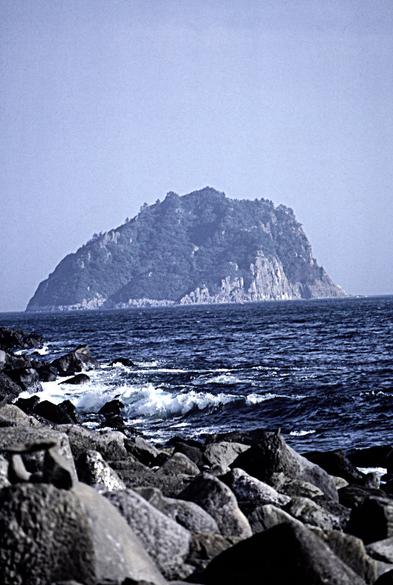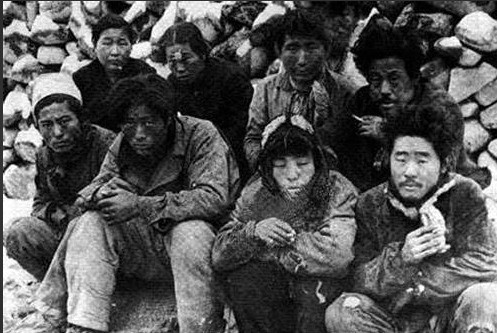
Today In Labor History April 3, 1948: The Jeju uprising began in Korea. It lasted from April 3, 1948 – May 13, 1949, culminating in one of the 20th century’s least known genocides.
During the March 1st Independence Movement Day celebration in 1947, police brutally assaulted workers and students, killing at least 6. The Korean Workers' Party (WPSK) launched a General Strike from February to March 1948 to protest this, and the upcoming anti-democratic elections that were to be held only in the U.S.-occupied parts of the country. In April 1948, the uprising began, with the WPSK forming a militia that attacked police buildings and right-wing civilians.

President Rhee declared martial law in November and began an "eradication campaign" against rebel forces in Jeju. On the island of Jeju-do, 30,000 civilians were massacred (10% of the island’s population) by the South Korean army, Cheju-do police and the U.S. military. Another 40,000 people fled to Japan. However, the governor of Jeju later told American intelligence that the real number was closer to 60,000 dead. Some sources say the number is actually closer to 100,000 dead. The history and existence of the Jeju massacre were officially censored in South Korea for several decades. And, from U.S. history books, as well.

The inhabitants of Jeju Island were, at the time, mostly indigenous Jejuans, with a distinct language and culture from Korean. The island is also home to the Haenyeo (sea women), who have been diving for oysters and other seafood for generations, remaining in the frigid water without the benefit of wetsuits for up to an hour at a time. The Haenyeo would continue working throughout their pregnancies. Today, the oldest haenyeo are over 80 years old. Nearly 90% are older than 60.

#workingclass #LaborHistory #GeneralStrike #communism #Jeju #Cheju #massacre #genocide #korea #haenyeo #women
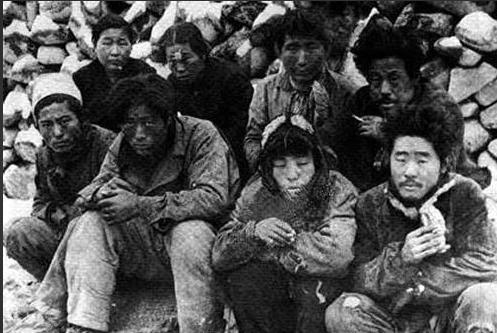
Today In Labor History April 3, 1948: Cheju Massacre in Korea. Between 1948 and 1949, one of the 20th century’s least known genocides occurred. On the island of Cheju-do, 30,000 civilians were massacred (10% of the island’s population) by the South Korean army, Cheju-do police and the U.S. military. However, the governor of Cheju told American intelligence that the real number was closer to 60,000. Another 30,000 people fled to Japan. The massacre was designed to suppress a worker uprising and General Strike.

#workingclass #LaborHistory #GeneralStrike #communism #Jeju #Cheju #massacre #genocide #korea

US deputy secretary of state Kurt Campbell declared that the US- Korea alliance is ironclad.

Ironclad?

Does that mean that the US will be sending weapons to Korea's right wing leader to brutalize his people?

Remember Guangju: https://michaeldunnauthor.com/2024/11/03/the-gwangju-uprising/

Remember Cheju: https://en.m.wikipedia.org/wiki/Jeju_uprising

Tens of thousands of Koreans massacred with US Support.

#Korea #ironclad #martiallaw #dictatorship #humanrights #guangju #cheju

The Gwangju Uprising - Michael Dunn

The Gwangju Uprising in Korea, 1980

Michael Dunn

Today In Labor History April 3, 1948: Cheju Massacre in Korea. Between 1948 and 1949, one of the 20th century’s least known genocides occurred. On the island of Cheju-do, 30,000 civilians were massacred (10% of the island’s population) by the South Korean army, Cheju-do police and the U.S. military. However, the governor of Cheju told American intelligence that the real number was closer to 60,000. Another 30,000 people fled to Japan. The massacre was designed to suppress a worker uprising and General Strike.

#workingclass #LaborHistory #GeneralStrike #communism #Jeju #Cheju #massacre #genocide #korea

Today In Labor History April 3, 1948: Cheju Massacre in Korea. Between 1948 and 1949, one of the 20th century’s least known genocides occurred. On the island of Cheju-do, 30,000 civilians were massacred (10% of the island’s population) by the South Korean army, Cheju-do police and the U.S. military. However, the governor of Cheju told American intelligence that the real number was closer to 60,000. Another 30,000 people fled to Japan. The massacre was designed to suppress a worker uprising and General Strike.

#WorkingClass #LaborHistory #GeneralStrike #communism #Jeju #Cheju #massacre #genocide #korea