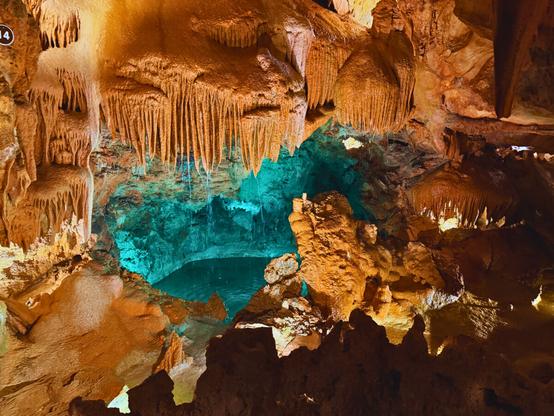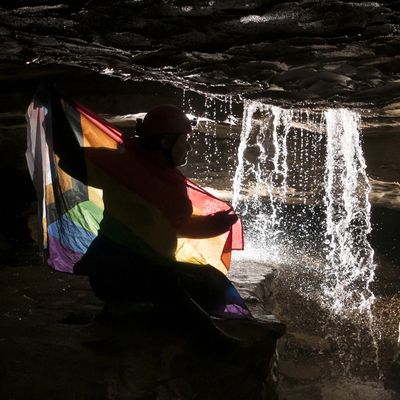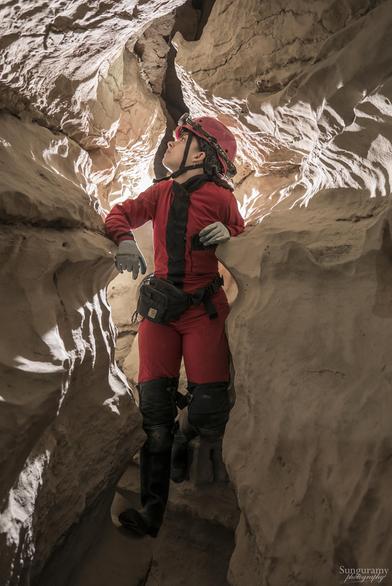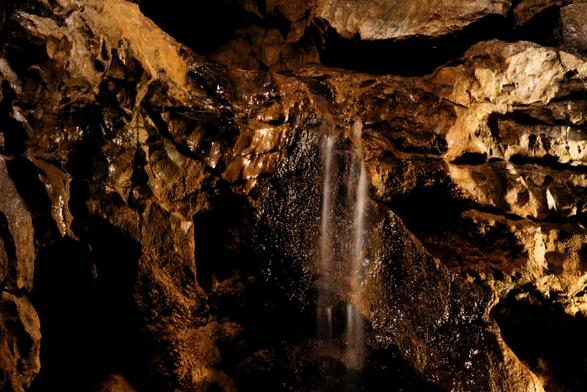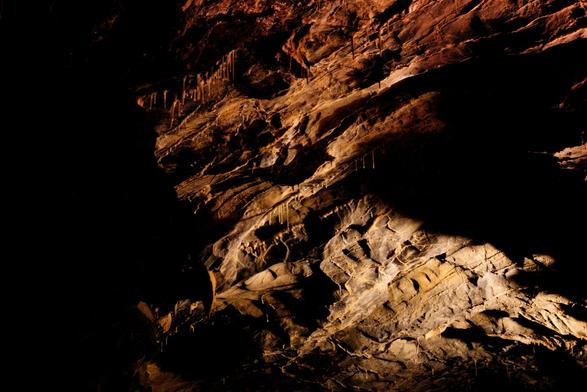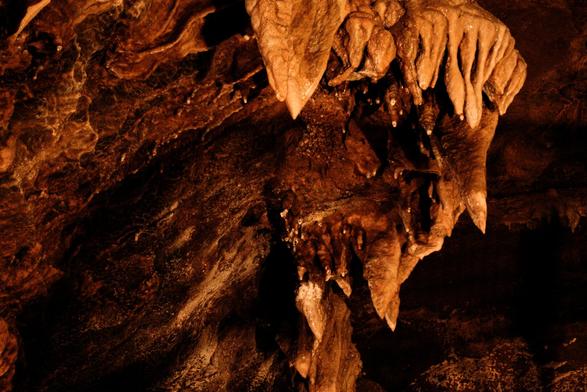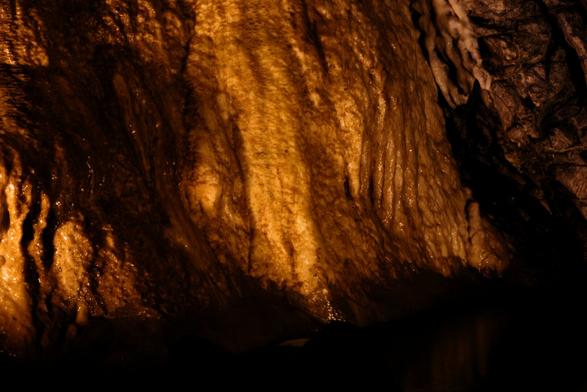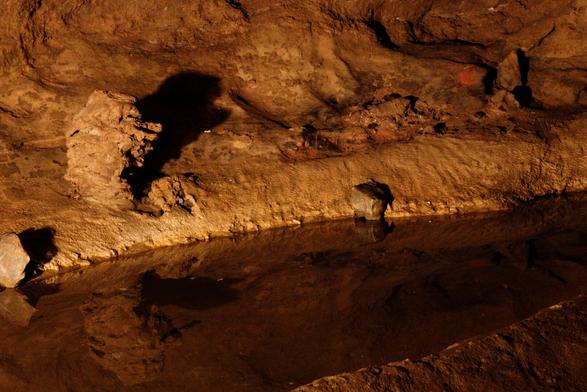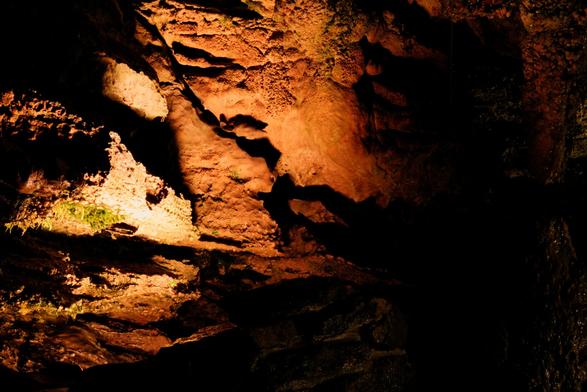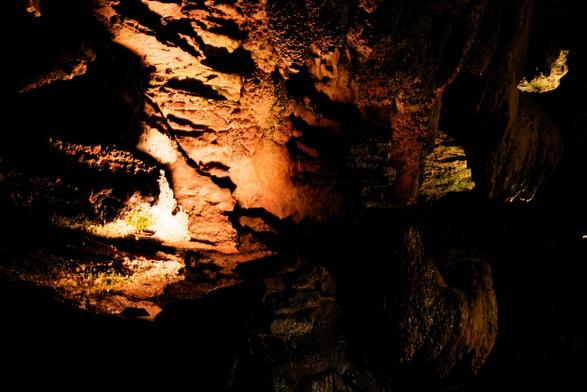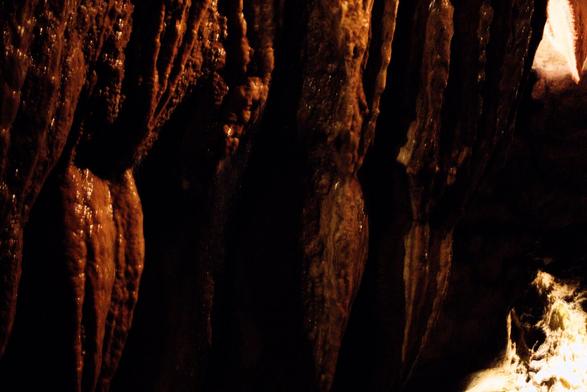
I worked with a great team of collaborators to produce a uniquely long #paleoclimate record from #caves in northern #utah. We dated stalagmites to show that mountain #permafrost repeatedly expanded during glacial periods and disappeared during interglacials in sync with orbital climate cycles over the past ~600,000 years. These results provide rare long-term constraints on alpine permafrost sensitivity and help place modern permafost thaw into a deeper climatic context. The paper was published in Quaternary Research; if you do not have access and wish to get a copy, feel free to send me a private request.

https://doi.org/10.1017/qua.2026.10076

#geology #climate #cave #caves #mountain #mountains #quaternary

WATCH IT HERE:

https://youtu.be/_qRchBI40cc

Watch, like, comment, subscribe (it's free).

#YouTube
#video
#biodiversity
#caves
#karst
#Cambodia

Secrets of the Karst

YouTube

The ornate flying snake (Chrysopelea ornata) – also known as the golden tree snake – glides from tree to tree by flattening its rib cage and twisting through the air like a shimmering ribbon. Its vivid colouring makes it popular among collectors.

Photograph: Phyroum Chourn/Fauna & Flora

#photography
#Cambodia
#caves
#karst
#biodiversity
#NewSpecies
#geckos
#snakes

The brown tree frog, also known as the Hong Kong whipping frog, found in the Phnom Prampi cave in Battambang province, a designated natural heritage site. The frog gets its name from the way the female uses her back legs to whip up foam before making a nest for her eggs.

Photograph: Phyroum Chourn/Fauna & Flora

#photography
#Cambodia
#caves
#karst
#biodiversity
#NewSpecies
#geckos
#frogs

A reticulated python in Phnom Preak, Battambang province. This python species, native to south and south-east Asia, is the world’s longest snake with many specimens measuring in excess of seven metres.

Photograph: Phyroum Chourn/Fauna & Flora

#photography
#Cambodia
#caves
#karst
#biodiversity
#NewSpecies
#geckos
#snakes

One of two millipede species collected during the survey (this one was discovered in Battambang in 2024), the vivid colouring of the Orthomorpha battambangiensis probably indicates that these millipedes are poisonous or, at the very least, unappetising for potential predators.

Photograph: Fauna & Flora

#photography
#Cambodia
#caves
#karst
#biodiversity
#NewSpecies
#geckos
#millipede

Named after the Hindu god of destruction, the karst-dwelling gecko shiva was recently discovered in Thailand and only described in February 2025. The survey team found it in Battambang, the first recorded in Cambodia.

Photograph: Phyroum Chourn/Fauna & Flora

#photography
#Cambodia
#caves
#karst
#biodiversity
#NewSpecies
#geckos

Four populations of the were found and identified as a new species: Cyrtodactylus kampingpoiensis. Despite being described as one species, it is thought that, due to the isolation of the karst formations, these four populations are separate in evolutionary terms.

Photograph: Phyroum Chourn/Fauna & Flora

#photography
#Cambodia
#caves
#karst
#biodiversity
#NewSpecies
#geckos

Another species discovered during the survey, the Battambang leaf-toed gecko – Dixonius noctivagus (meaning ‘night wanderer’) – is covered in tiny leopard-like spots. Only two species of the Dixonius gecko genus have been identified in Cambodia, far fewer than in neighbouring Thailand and Vietnam, which indicates it is likely that further undiscovered species exist in the landscape.

Photograph: Hun Seiha/Fauna & Flora

#photography
#Cambodia
#caves
#karst
#biodiversity
#NewSpecies
#geckos

A new species of gecko in the Gehyra genus now being described was found in several karst areas in Banan district, Battambang province.

Photograph: Hun Seiha/Fauna & Flora

#photography
#Cambodia
#caves
#karst
#biodiversity
#NewSpecies
#geckos
#snakes