📚🧠 #WorldBrainDay: 'Discerning the functional role of plasmalogen at the synapse by shotgun lipidomics' - a poster on #ScienceOpen:

🔗 https://www.scienceopen.com/hosted-document?doi=10.14293/P2199-8442.1.SOP-.PBAJDK.v1

#WBD2025 #BrainHealthMatters #BrainHealthForAllAges #Neuroscience

Learn more about publishing your academic poster here: https://about.scienceopen.com/publish/

Discerning the functional role of plasmalogen at the synapse by shotgun lipidomics

<p class="first" dir="auto" id="d7719640e132">We seek to investigate the functional role of PEp in neurons with aims to better understand its involvement in neurodegeneration and the potential of clinical applications targeting its metabolism. To achieve this, we have developed a simple <i>in vitro </i>neuronal model to assay synapse function while modulating PEp levels. SH-SY5Y neuroblastoma cells are differentiated into neuron-like cells by serum starvation and incubation with neurotropic factors. These cells exhibit a highly polarised, neuron-like morphology, forming neural networks and co-localised pre- and post-synaptic markers. Plasmalogen levels and speciation are modulated by post-transcriptional gene silencing of PEp biosynthetic enzymes and supplementation with plasmalogen precursors and labelled PUFA. PEp levels are analysed by shotgun lipidomics in parallel with assays of synaptic assembly and protein expression including ICC/IF, PCR, and Western Blot. </p><p dir="auto" id="d7719640e137">For targeted ESI-HRAM-MS/MS shotgun lipidomics, we utilised an LTQ-Orbitrap XL (ThermoFisher Scientific) coupled with a TriVersa NanoMate (Advion Biosciences), following established methods (Nielsen, 2017). Lipids are identified by product-ion scan MS <sup>n </sup>analyses, targeting PE, PEo, and PEp species for quantification against an internal standard. PEp specie identification was confirmed by MS <sup>n</sup> analysis (Hsu, 2018) and sensitivity to acid hydrolysis (Han, 2005). </p><p dir="auto" id="d7719640e145">Our preliminary data demonstrates that PEp levels and fatty acid composition play a role in synapse formation, with further experiments being implemented to investigate underlying mechanisms. We are currently developing further our shotgun lipidomics approach to employ data-independent acquisition and incorporate a range of internal standards to enable identification and quantitation of the global lipidome. </p>

ScienceOpen

📚🧠 #WorldBrainDay: 'Emerging Therapeutic Approaches in the Treatment of Neurological Symptoms of Friedreich’s Ataxia: A 40-Year Global Perspective' - a poster on #ScienceOpen:

🔗 https://www.scienceopen.com/hosted-document?doi=10.14293/P2199-8442.1.SOP-.PUQRHI.v1

#WBD2025 #BrainHealthMatters #BrainHealthForAllAges #Neurology

Learn more about publishing your academic poster here: https://about.scienceopen.com/publish/

Emerging Therapeutic Approaches in the Treatment of Neurological Symptoms of Friedreich’s Ataxia: A 40-Year Global Perspective

<p class="first" dir="auto" id="d257012e203"> <b>Objectives:</b> To investigate the evolution, focus, and collaboration of research on novel therapeutic approaches for FA over the past 40 years by identifying influential authors and journals, mapping research trends, and analyzing geographical distribution and international cooperation. </p><p dir="auto" id="d257012e208"> <b>Background: </b>Friedreich’s ataxia (FA) is an autosomal recessive neurodegenerative disease caused by GAA trinucleotide expansions that silence the frataxin gene, leading to mitochondrial defects, such as impaired respiration and iron-sulfur assembly. Current treatments, including iron chelators, erythropoietin, vitamin E, coenzyme Q10, and omaveloxolone, primarily address symptoms of frataxin deficiency. Due to FA’s rarity, it is crucial to increase awareness of treatment options, enhance research collaboration, and identify specific gaps in the literature to guide future studies. </p><p dir="auto" id="d257012e213"> <b>Methods:</b> Using Web of Science (WoS), we inputted the keywords “FXN,” “Treatment,” and “frataxin,” refined by document type “Article,” yielding 389 results. After excluding 15 articles lacking substantial content on FA, we exported and analyzed the bibliometric metadata of the remaining top 100 cited articles. </p><p dir="auto" id="d257012e218"> <b>Results:</b> From 1982 to 2021, leading journals focused on neurology and molecular genetics. Italy, the USA, Germany, the UK, and France were leading nations in research collaborations. The most frequently mentioned keywords-plus were “frataxin,” “expression,” and “deficiency.” 55% of keywords were missing from the metadata, compared to only 5% of keywords-plus. </p><p dir="auto" id="d257012e223"> <b>Conclusions:</b> Frataxin deficiency and its downstream effects have driven FA research for 40 years, often emphasizing genetic and molecular approaches. Research perspectives are predominantly Western, suggesting a need for different viewpoints. Incorporating new techniques and addressing disparities could improve FA prognosis. </p>

ScienceOpen

📚🧠 #WorldBrainDay: 'Exploring the Efficacy of Neuroplasticity-Driven Speech Therapy for Post-Stroke Aphasia Recovery: A Multimodal Intervention Approach' - a #SOPreprint:

🔗 https://www.scienceopen.com/hosted-document?doi=10.14293/PR2199.000781.v1

#WBD2025 #BrainHealthMatters #BrainHealthForAllAges #Neuroscience

Learn more about Preprint Publishing on #ScienceOpen: https://about.scienceopen.com/publish/

Exploring the Efficacy of Neuroplasticity-Driven Speech Therapy for Post-Stroke Aphasia Recovery: A Multimodal Intervention Approach

<p class="first" dir="auto" id="d9191137e83"> <b>Objective:</b> This study investigated the efficacy of a multimodal speech therapy intervention informed by neuroplasticity principles in promoting post-stroke aphasia recovery. </p><p dir="auto" id="d9191137e88"> <b>Methods:</b> A quasi-experimental design with 17 participants, using pre- and post-test assessments to compare the intervention –incorporating Constraint-Induced Aphasia Therapy (CIAT), Melodic Intonation Therapy (MIT), Script Training, and Cognitive-Communication Therapy (CCT)– to traditional speech therapy in individuals with aphasia. </p><p dir="auto" id="d9191137e93">The Boston Diagnostic Aphasia Examination (BDAE) and Mini-Mental State Examination (MMSE) assessed language and cognitive function, while the Functional Outcome Questionnaire for Aphasia (FOQ-A) and in-depth interviews evaluated functional communication and subjective experiences. </p><p dir="auto" id="d9191137e95"> <b>Results:</b> The intervention group demonstrated significant improvements in expressive language (25% increase vs. 12% control), receptive language (20% vs. 14% control), language comprehension (18% vs. 8% control), and cognitive performance (15% vs. 9% control). Qualitative findings revealed enhanced communicative effectiveness, increased confidence in verbal interactions, and improved quality of life in the intervention group. </p><p dir="auto" id="d9191137e100"> <b>Conclusions:</b> This multimodal, neuroplasticity-driven intervention improved language and cognitive function in individuals with post-stroke aphasia, demonstrating its potential as an effective rehabilitation strategy. Future research should focus on long-term efficacy, individual response variability, and intervention optimization. </p>

ScienceOpen

🧠✨ #WorldBrainDay recommended reading: 'Sleep Duration and Cognitive Function: The Akershus Cardiac Examination 1950 Study' - a Karger: Neurology and Neuroscience article on #ScienceOpen:

🔗 https://www.scienceopen.com/document?vid=46310254-77d3-4cad-8d0c-c19ef2a07887

#WorldBrainDay2025 #WBD2025 #BrainHealth #BrainHealthMatters #BrainHealthForAllAges

Sleep Duration and Cognitive Function: The Akershus Cardiac Examination 1950 Study

<p xmlns:xsi="http://www.w3.org/2001/XMLSchema-instance" dir="auto" id="d5231462e307"> <b> <i>Introduction:</i> </b> Sleep duration is proposed as a lifestyle-related risk factor for cognitive impairment. We investigated the association between sleep duration and cognitive function in a large population-based cohort aged 62–65 years. <b> <i>Methods:</i> </b> Cross-sectional analyses from the Akershus Cardiac Examination 1950 Study. Linear and nonlinear models were conducted to explore the association between self-reported sleep duration and cognitive function, adjusted for established risk factors for cognitive impairment. <b> <i>Results:</i> </b> We included 3,348 participants, mean age (SD) was 63.9 ± 0.6 years, 48.2% were women, and 47.9% had education >12 years. Mean sleep duration (SD) was 7.0 ± 1.0 h, and 10.2% had abnormal sleep duration (<6 or >8 h). Individuals reporting <6 h or >8 h of sleep scored significantly lower on MoCA test and delayed recall trial in adjusted analysis. <b> <i>Conclusions:</i> </b> Sleep duration showed an inverted U-shaped association with global cognitive function and memory, suggesting that both shortened and prolonged sleep are related to adverse brain health. </p>

ScienceOpen

🧠✨ #WorldBrainDay recommended reading: 'From Dementia to Eumentia: A New Approach to Dementia Prevention' - a Karger: Neurology and Neuroscience article on #ScienceOpen:

🔗 https://www.scienceopen.com/document?vid=50b51923-2551-431d-94a9-d99bc064919d

#WorldBrainDay2025 #WBD2025 #BrainHealth #BrainHealthMatters #BrainHealthForAllAges

From Dementia to Eumentia: A New Approach to Dementia Prevention

<p class="first" id="d4786883e156"> <b> <i>Background:</i> </b> During the past 40 years, dementia prevention approaches have ranged from searching for a drug to prevent progression to Alzheimer’s disease to preventing dementia through multidomain lifestyle interventions. <b> <i>Current Approaches:</i> </b> The search for a silver bullet has yielded good science but no clinical results. The multi-model lifestyle intervention approach has shown encouraging results. The largest proportion of resources in prevention have been devoted to finding a drug to prevent, mitigate, or delay what is being called “Alzheimer’s disease of late onset.” The reality is that Alzheimer’s pathology is common among the elderly, but it seldom only occurs alone. The only treatable and preventable pathology currently is vascular. Hence arose the concept of “vascular cognitive impairment” meaning any vascular cause or risk factor associated with cognitive impairment. The majority of cases of cognitive impairment in the elderly have a vascular component that is treatable and preventable and identifiable by several means, including a simple ischemic score. <b> <i>Conclusion:</i> </b> Since environmental, socioeconomic, and individual risk factors contribute to dementia, we proposed a Comprehensive, Customized, Cost-effective APProach (the CCC-APP) implemented in actionable units with the focus on promoting brain health (eumentia). <b> <i>Key Messages:</i> </b> We should implement dementia prevention approaches in actionable units around optimal brain health or eumentia. Heart disease, stroke, and dementia share mostly the same risk and protective factors; thus, their joint prevention is desirable. We need a comprehensive, customized, and cost-effective approach to joint prevention of stroke, heart disease, and dementia. We call for literal and virtual meetings of researchers of all the relevant disciplines to work on operational definitions and interdisciplinary collaborations. </p>

ScienceOpen

🧠✨ #WorldBrainDay recommended reading: 'The Real-World Usability, Feasibility, and Performance Distributions of Deploying a Digital Toolbox of Computerized Assessments to Remotely Evaluate Brain Health: Development and Usability Study' - an article from JMIR Publications on #ScienceOpen:

🔗 https://www.scienceopen.com/document?vid=e12b6dbe-7e79-422e-bb2e-234400b80fae

#WorldBrainDay2025 #WBD2025 #BrainHealth #BrainHealthMatters #BrainHealthForAllAges

The Real-World Usability, Feasibility, and Performance Distributions of Deploying a Digital Toolbox of Computerized Assessments to Remotely Evaluate Brain Health: Development and Usability Study

<div xmlns:xsi="http://www.w3.org/2001/XMLSchema-instance" class="section"> <a class="named-anchor" id="d3019020e194"> <!-- named anchor --> </a> <h5 class="section-title" id="d3019020e195">Background</h5> <p dir="auto" id="d3019020e197">An ongoing global challenge is managing brain health and understanding how performance changes across the lifespan. </p> </div><div xmlns:xsi="http://www.w3.org/2001/XMLSchema-instance" class="section"> <a class="named-anchor" id="d3019020e199"> <!-- named anchor --> </a> <h5 class="section-title" id="d3019020e200">Objective</h5> <p dir="auto" id="d3019020e202">We developed and deployed a set of self-administrable, computerized assessments designed to measure key indexes of brain health across the visual and auditory sensory modalities. In this pilot study, we evaluated the usability, feasibility, and performance distributions of the assessments in a home-based, real-world setting without supervision. </p> </div><div xmlns:xsi="http://www.w3.org/2001/XMLSchema-instance" class="section"> <a class="named-anchor" id="d3019020e204"> <!-- named anchor --> </a> <h5 class="section-title" id="d3019020e205">Methods</h5> <p dir="auto" id="d3019020e207">Potential participants were untrained users who self-registered on an existing brain training app called BrainHQ. Participants were contacted via a recruitment email and registered remotely to complete a demographics questionnaire and 29 unique assessments on their personal devices. We examined participant engagement, descriptive and psychometric properties of the assessments, associations between performance and self-reported demographic variables, cognitive profiles, and factor loadings. </p> </div><div xmlns:xsi="http://www.w3.org/2001/XMLSchema-instance" class="section"> <a class="named-anchor" id="d3019020e209"> <!-- named anchor --> </a> <h5 class="section-title" id="d3019020e210">Results</h5> <p dir="auto" id="d3019020e212">Of the 365,782 potential participants contacted via a recruitment email, 414 (0.11%) registered, of whom 367 (88.6%) completed at least one assessment and 104 (25.1%) completed all 29 assessments. Registered participants were, on average, aged 63.6 (SD 14.8; range 13-107) years, mostly female (265/414, 64%), educated (329/414, 79.5% with a degree), and White (349/414, 84.3% White and 48/414, 11.6% people of color). A total of 72% (21/29) of the assessments showed no ceiling or floor effects or had easily modifiable score bounds to eliminate these effects. When correlating performance with self-reported demographic variables, 72% (21/29) of the assessments were sensitive to age, 72% (21/29) of the assessments were insensitive to gender, 93% (27/29) of the assessments were insensitive to race and ethnicity, and 93% (27/29) of the assessments were insensitive to education-based differences. Assessments were brief, with a mean duration of 3 (SD 1.0) minutes per task. The pattern of performance across the assessments revealed distinctive cognitive profiles and loaded onto 4 independent factors. </p> </div><div xmlns:xsi="http://www.w3.org/2001/XMLSchema-instance" class="section"> <a class="named-anchor" id="d3019020e214"> <!-- named anchor --> </a> <h5 class="section-title" id="d3019020e215">Conclusions</h5> <p dir="auto" id="d3019020e217">The assessments were both usable and feasible and warrant a full normative study. A digital toolbox of scalable and self-administrable assessments that can evaluate brain health at a glance (and longitudinally) may lead to novel future applications across clinical trials, diagnostics, and performance optimization. </p> </div>

ScienceOpen
World Brain Tumour Day stresses early detection and treatment to prevent neurological issues. Established in 2000, it underlines the importance of timely intervention for a quick recovery, especially for cancerous tumours. Raising awareness and promoting brain health can help prevent brain tumours. #WorldBrainTumourDay #EndBrainTumours #EarlyDetectionSavesLives #RaiseAwareness #SupportResearch #BrainHealthMatters #PreventBrainTumours.
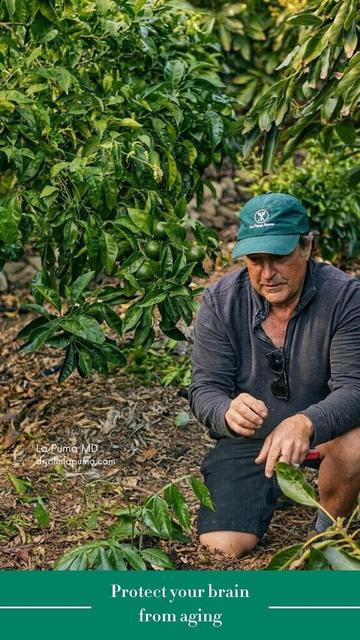
Dr. John La Puma, MD on Instagram: "What will you learn to protect your 🧠? #brainhealth #brainhealthmatters #livelongandprosper #livelongerbetter"

Dr. John La Puma, MD shared a post on Instagram: "What will you learn to protect your 🧠? #brainhealth #brainhealthmatters #livelongandprosper #livelongerbetter". Follow their account to see 879 posts.

Instagram