For decades, NZ pastoral systems were described by agronomists worldwide as a "miracle"...temperate climate, decent soils, and ample rainfall meant that a farmer could keep pasture in permanent cover with a mix of ryegrass and clover, and get a profitable yield of milk, meat, and fibre by grazing stock outdoors year round with few or no off-farm inputs. It was sustainable (if you ignore the fact that much of the land was stolen) and provided the basis for a thriving export trade as well as feeding a growing nation.
The humble clover plant was the key to all of this, with its symbiotic rhizobial bacteria happily taking atmospheric nitrogen in and turning it into soluble nitrates at just enough of a rate to feed the grasses. As long as you didn't overstock or abuse the soil through poor management, the system could keep ticking over indefinitely, with maybe a bit of seaweed or rock dust from time to time to top up the mineral levels.
Of course, capitalism had to wreck all of that. As dairy intensification became the trend in the 1990s, industrial farming was the model and synthetic fertilisers, especially urea, began to dominate and push out clover from pasture mixes. And as any junkie knows, the first hit may be free but every one after that costs more.
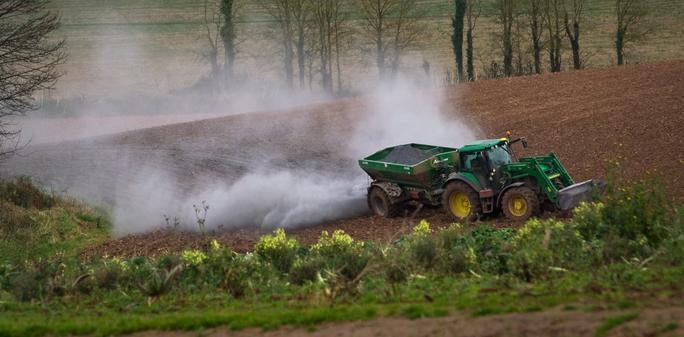
Now we have a sector addicted to nitrogen, mainlining stuff shipped halfway around the globe and turning its back on the leakage into groundwater and rivers. The excess nitrogen also "burns up" soil carbon stocks and decreases microbial diversity along with the resilience of the grass. And the feed quality of the pasture goes down, turning to the equivalent of junk food and causing metabolic imbalances in the animals that eat it...most current-day dairy farmers have never seen cow shit that isn't liquid.
So maybe the crisis in the Middle East is a blessing in disguise. Just like it's supercharging transition around the world, maybe it will catalyse some major changes here. #biochar #regen
https://www.scoop.co.nz/stories/BU2604/S00394/biochar-can-help-farmers-weather-the-fertiliser-crisis.htm
 Phil Stevens
 Shaula Evans
 tasket
 Pödelwitz hat Zukunft!
 InformactionsMC
 Helena
 Carbelim