@ShaulaEvans if you plan to make biochar at scale and you want to monitor the process temperature, do not use type K temperature sensors. They will oxidize and fail within days (called green rot). I recommend Type N sensors instead, they are perfectly stable in the biochar process, and have the same range as type K.

#biochar

Currently reading:

A Practical Guide on Production and Application of Biochar and Bokashi to Rejuvenate Soil Health

- How to garden/farm with biochar & bokashi together
- How to produce & use them at scale if desired
- Soil pH tests with household materials

https://www.accessagriculture.org/sites/default/files/2026-01/A%20practical%20guide%20on%20production%20and%20application%20of%20biochar%20and%20bokashi.pdf [PDF]

#Biochar #Bokashi #BokashiComposeting #Gardening #Soil #SoilHealth #Fertilizer #Biofertilizer

@thoughtsofawho What you're doing is working, so keep it up. The main predictors of a hot process are:

1) Sufficient volume - it's hard to get a small pile to heat up, especially in cooler climates

2) C:N ratio - greens to browns in the "goldilocks zone" of 25-30:1

3) Moisture - damp but not wet. In warm, dry conditions an enclosure really helps with this

4) Aeration - Thermophilic microbes need oxygen, so the density of the pile matters. Chunky material helps but as it breaks down it loses structure, so this is why turning may be necessary

I've managed to get a working pile up to 70 degrees a few times. But I'm a lazy gardener and because of this I tend to go for long-duration, cooler systems that don't lose so much carbon. I also put #biochar into my compost to help mitigate this, and to provide moisture balancing and lasting structure for aeration.

For decades, NZ pastoral systems were described by agronomists worldwide as a "miracle"...temperate climate, decent soils, and ample rainfall meant that a farmer could keep pasture in permanent cover with a mix of ryegrass and clover, and get a profitable yield of milk, meat, and fibre by grazing stock outdoors year round with few or no off-farm inputs. It was sustainable (if you ignore the fact that much of the land was stolen) and provided the basis for a thriving export trade as well as feeding a growing nation.

The humble clover plant was the key to all of this, with its symbiotic rhizobial bacteria happily taking atmospheric nitrogen in and turning it into soluble nitrates at just enough of a rate to feed the grasses. As long as you didn't overstock or abuse the soil through poor management, the system could keep ticking over indefinitely, with maybe a bit of seaweed or rock dust from time to time to top up the mineral levels.

Of course, capitalism had to wreck all of that. As dairy intensification became the trend in the 1990s, industrial farming was the model and synthetic fertilisers, especially urea, began to dominate and push out clover from pasture mixes. And as any junkie knows, the first hit may be free but every one after that costs more.

Now we have a sector addicted to nitrogen, mainlining stuff shipped halfway around the globe and turning its back on the leakage into groundwater and rivers. The excess nitrogen also "burns up" soil carbon stocks and decreases microbial diversity along with the resilience of the grass. And the feed quality of the pasture goes down, turning to the equivalent of junk food and causing metabolic imbalances in the animals that eat it...most current-day dairy farmers have never seen cow shit that isn't liquid.

So maybe the crisis in the Middle East is a blessing in disguise. Just like it's supercharging transition around the world, maybe it will catalyse some major changes here. #biochar #regen

https://www.scoop.co.nz/stories/BU2604/S00394/biochar-can-help-farmers-weather-the-fertiliser-crisis.htm

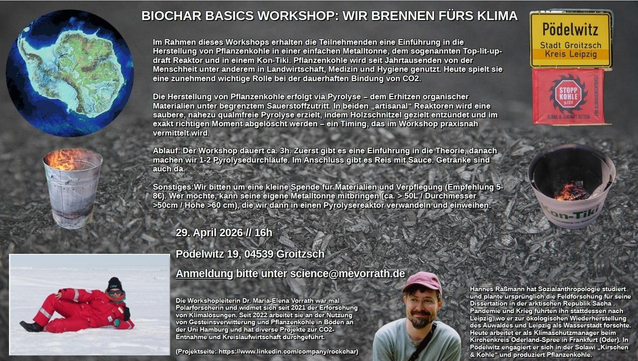
🔥 Biochar Basics Workshop: Wir brennen fürs Klima!
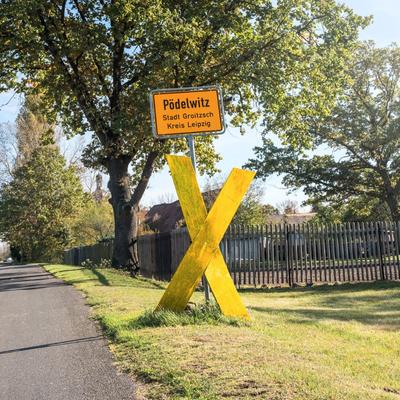
Am 29. April 2026, 16 Uhr in Pödelwitz 19, 04539 Groitzsch lernt ihr, wie Pflanzenkohle Böden verbessert und CO₂ bindet!
🌍 Programm:

Theorie & Praxis der Pyrolyse
Gemeinsames Brennen von Pflanzenkohle
Grillen mit Sauce
💰 Spende: 5-8€ für Materialien & Verpflegung.
📧 Anmeldung: [email protected]
🌱 Leitung: Dr. Maria-Elena Vorrath (Polarforscherin & Klimaschutz-Expertin).
#Biochar #Klimaschutz #Pödelwitz #Nachhaltigkeit

Greenly Earth
Qu’est-ce que le biochar, dit “charbon vert” ?
https://mcinformactions.net/qu-est-ce-que-le-biochar-dit-charbon-vert
#charbonVert #biochar
Qu’est-ce que le biochar, dit “charbon vert” ? - [Marie-Claude Saliceti]

Et si le charbon pouvait finalement être sans impact sur l’environnement ? C’est tout le principe du biochar, également surnommé...

I have been wondering for a few months now when this shoe was going to drop. Microsoft's cash position is not what it once was, and they're pouring far too much of it into the black hole of AI slop that their customers Do. Not. Want.

The tragedy, of course, is that their massive increase in datacentre footprint comes with a great big emissions payload, and they are (were) the single largest purchaser of CDR credits on the international voluntary markets. And these markets underpin a big chunk of the business case for #biochar at the moment, so it's a real kick in the guts for my efforts to bootstrap the industry in an environment of capital constraints and bugger-all support from the public sector.

https://carbonherald.com/microsoft-pauses-all-carbon-removal-purchases/

More biochar info
Seems very sensible info, mentions using it for long term carbon storage at the end.

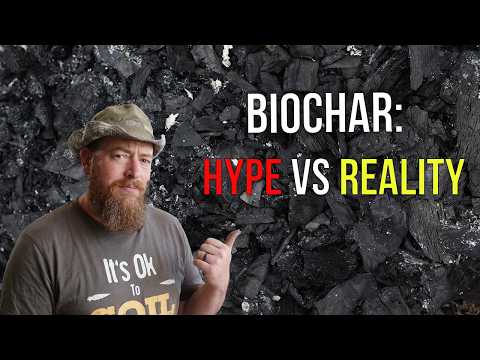
The Truth about Biochar: How to use it correctly (and what to avoid)

From Sunnyside Soil

https://m.youtube.com/watch?v=RTcY90g0wIs&pp=ugUHEgVlbi1VUw%3D%3D&ra=m

#Biochar #CarbonSequestration #SolarPunkSunday

The Truth About Biochar: How to Use It Correctly (And What to Avoid)

YouTube

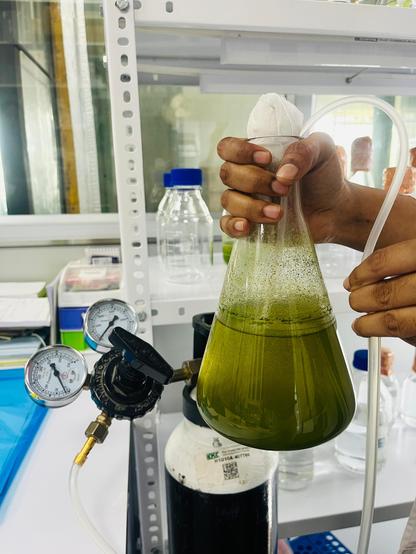
Carbelim Lab focuses on sustainable innovation through biochar production, carbon solutions, and climate technology to support environmental sustainability.

#Carbelim #LabLife #Innovation #Sustainability #Biochar #ClimateTech