 Blütensthaub
 株式会社共同通信社
人気クリエーターBUSON氏の「しきぶちゃん」とコラボキャンペーン 3月15日まで、ダイブのInstagram「リゾートバイトダイブ」で
https://www.kyodo.co.jp/news/2026-03-05_3996465/
#kyodo #経済_ビジネス #b_dot #BUSON #Instagram #ovo #しきぶちゃん #コラボキャンペーン #リゾートバイトダイブ
人気クリエーターBUSON氏の「しきぶちゃん」とコラボキャンペーン 3月15日まで、ダイブのInstagram「リゾートバイトダイブ」で
https://www.kyodo.co.jp/news/2026-03-05_3996465/
#kyodo #経済_ビジネス #b_dot #BUSON #Instagram #ovo #しきぶちゃん #コラボキャンペーン #リゾートバイトダイブ
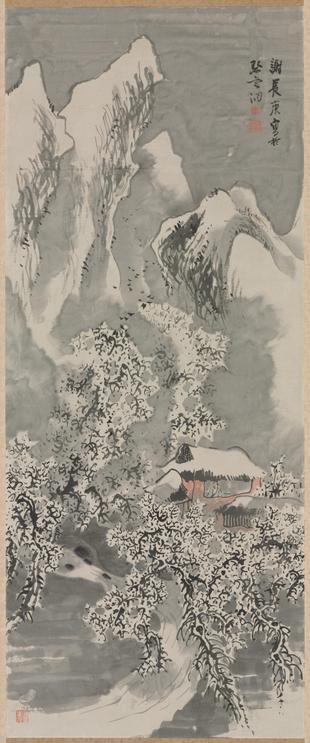
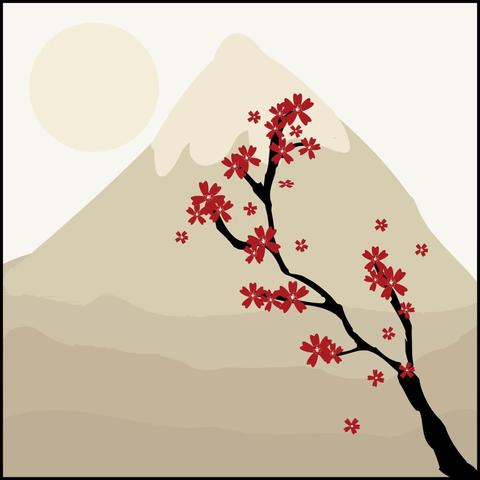
Buson's "Snow Landscape" captures a serene harmony between humanity and nature, showcasing his expressive brushwork and mastery of atmospheric depth. What emotions does this tranquil scene evoke for you?
#ClevelandArt #Buson #JapaneseArt #LandscapePainting
https://clevelandart.org/art/1997.111
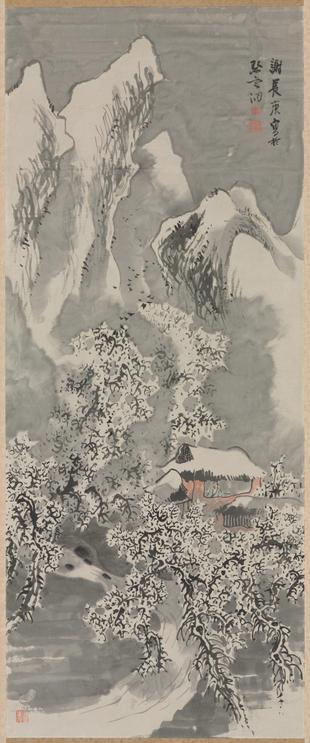
Buson's "Snow Landscape" embodies a harmonious blend of expressive brushwork and serene winter beauty, inviting viewers to lose themselves in its tranquility. How does this artwork reflect the balance between nature and artistry?
#ClevelandArt #Buson #ArtAppreciation
https://clevelandart.org/art/1997.111
Buson
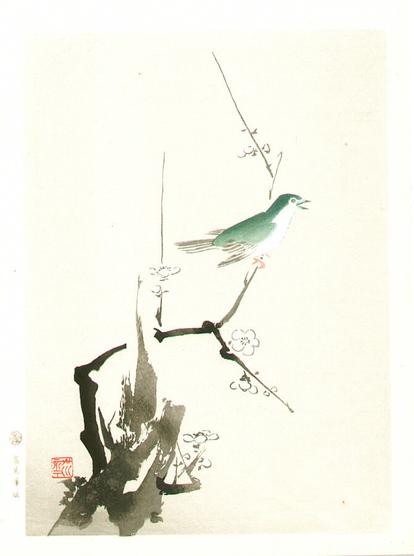
Schau, der Frühling geht
mit dem späten Kirchflor
unentschlossen fort –
Japanische Landschaften, 138
#Buson #GerolfVonCoudenhove #Haiku #Japan #JapanischeLandschaften #Literatur #Manesse
白梅に明くる夜ばかりとなりにけり
shiraume ni akuru yo bakari to nari ni keri
among the plum blossoms
the darkness gives way
to dawn
—Buson
https://laspina.org/the-coming-dawn-spring-and-the-death-of-buson/
Buson
Fährmannns Strohgewand
wird im wilden Frühlingssturm
jäh zum Blütenkleid
#Buson #Frühling #Haiku #JapanischeJahreszeitenManesseVonGerolfCoudenhove_ #Literatur
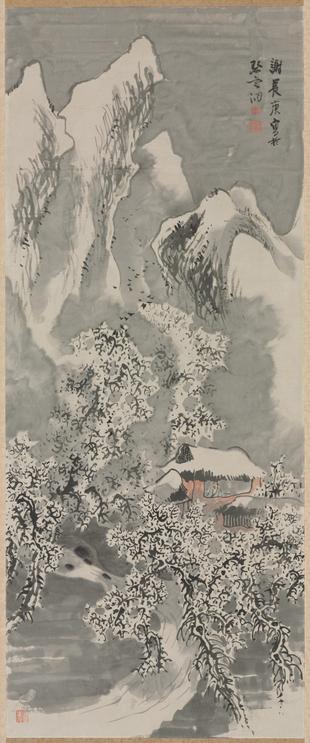

Buson is recognized in Japanese literary history as one of the country's greatest poets. He was also an accomplished painter who revolutionized the 18th-century "scholar-painting" school by introducing new subject matter and a more personalized brush style. Like most literati painters who were schooled in the Chinese classics, his early paintings invariably depicted historical subjects in a precise manner. By the 1770s, however, he developed a looser, more expressive brush manner distinctly his own. Although undated, the painting's exuberant style suggests that this snow scene dates from that time. One of the artist's seals reads: "flung ink gives life to brush lines."
Gedachten over een haiku 23. – Buson
I
De herfst komt langzaam
in een huis gaat het licht aan;
‘t is nog niet donker.
II
Van heel ver hoor ik
lang verwachte voetstappen
in het dorre blad.
III
Er kwam iemand aan
om iemand op te zoeken
in de herfstavond.
Yosa Buson (1716-1783)
Drie mooie haiku’s van Buson, vertaald door J. van Tooren. Ik wilde één uitkiezen om mijn gedachten over te laten dwalen. Maar toen ik ze onder elkaar zette ontdekte ik dat ze heel goed bij elkaar passen. Ze vormen als het ware een verhaal.
De schrijver voelt enige weemoed bij het idee dat de herfst nadert. De zomer is voorbij, dagen worden korter. Maar het is nog niet erg donker.
Hij staat peinzend in de schemering als hij in de verte voetstappen hoort. De dorre bladeren ritselen en verraden dat er iemand aankomt. Het is geen verrassing, hij verwacht een vriend die hem op deze avond komt opzoeken. Misschien staan ze nog even samen in de vallende duisternis, voordat ze naar binnen gaan.
Eigenlijk is dit niet alleen Japans. Het is een universeel beeld en het zou overal zo kunnen gaan.
In een sentimentele Amerikaanse film bijvoorbeeld. De hoofdpersoon die zijn vriendin verwacht. De voetstappen zijn licht en snel. Ze loopt gehaast om haar geliefde te ontmoeten.
Of de voetstappen zijn langzaam en zwaar, dreigend bijna. De persoon die nadert betekent niet veel goeds. Beide mannen blijven dan ook niet buiten staan. Ze gaan direct naar binnen en sluiten de deur achter zich.
Mij bevalt de eerste beschrijving het best. Ze bevat de diepte en verstilling die ook uit de haiku’s spreekt.
Geen acteurs, regieaanwijzingen en muziek bij een ondergaande zon.
Wel Buson, die met zoveel vakmanschap in drie keer zeventien lettergrepen een heel mooi herfstgevoel oproept.
As an example of 'haikai-renga', let us quote the opening of "Kono-Hotori," a famous 'kasen' poetry by Yosa Buson and his fellows:
薄(すすき)見つ萩やなからん此ほとり 蕪村
Saw silver grass.
Does not hagi bloom
around here? [by Buson]
風より起る秋の夕に 樗良
At fall evening that
begin from wind [by Chora]
舟たへて宿とるのみの二日月 几董
Ships are over,
so get only lodging the
second day's moon [by Kitou]
紀行の模様一歩一変 嵐山
Travelogue changes with
step by step [by Ranzan]
In this way, the 'haikai-renga' progresses with a rhythm of 575 verses, followed by 77 verses, then 575 and 77. 'Kasen' is named after the Thirty-six Immortal Poets and is a haikai renga (linked verse) of 36 verses.
Basho is said to have told his disciples, "Kasen is 36 steps. There is no intention to turn back even one step. The heart renews as one goes, because the heart is just the will that one keeps moving forward." This is the essence of the spirit of haikai and the heart that haiku should harbor.
#haiku #haikai #renga #poem #poetry #micropoetry #Japan #Japanese #traditional #art #literature #Buson #Basho

 Hidden Gems
 David LaSpina
 Boeddhistisch Dagblad
 根津耕昌 / Kousuke NEZU