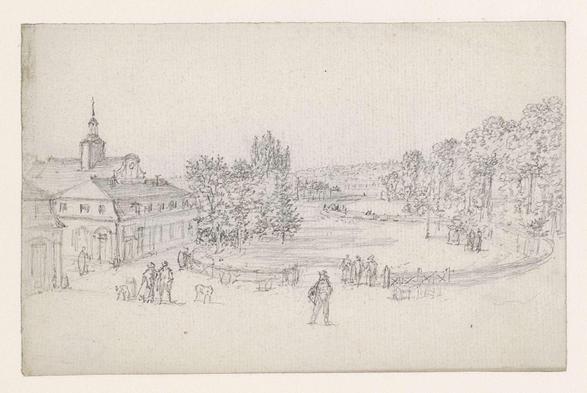
Immersed in
#GeorgesMichel's Saint Cloud (?) at
#Rijksmuseum. The dynamic strokes & imposing sky captivate, persist, and question the innate power of nature. How do you interpret this poetic landscape?
#ArtTwitter #ArtCritique #Rijksmuseumhttps://www.rijksmuseum.nl/nl/collectie/RP-T-1963-108(R)
Saint Cloud (?), Georges Michel, 1773 - 1843 - Rijksmuseum
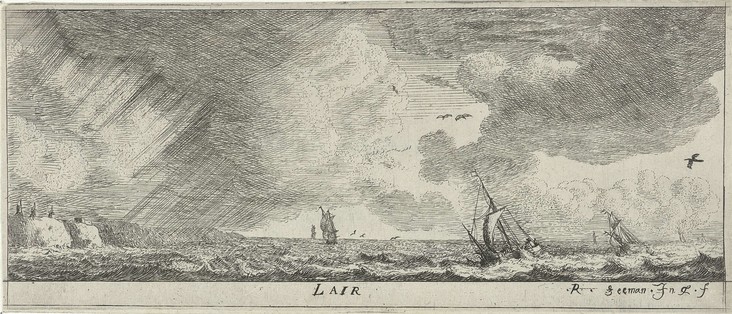
Visiting
#Rijksmuseum and smitten by Reinier Nooms' Lucht, 1651-1652. The vivid details & timeless aesthetics make you ponder, how was 17th century air perceived?
#Rijksmuseum #ArtTwitter What are your thoughts?
https://www.rijksmuseum.nl/nl/collectie/RP-P-1888-A-13538
Lucht, Reinier Nooms, 1651 - 1652 - Rijksmuseum
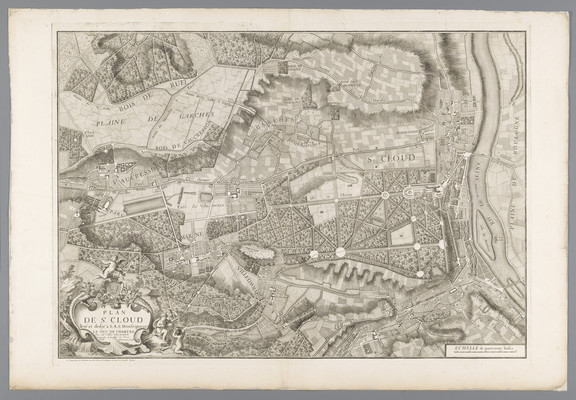
Discovering Martin Marvie's 1744 'Plattegrond van Saint-Cloud' at #Rijksmuseum. Ingenious blend of cartography and artistry depicting Saint-Cloud's grandeur. Which historical map inspires you?
#ArtTwitter #CartographyArt #Rijksmuseum
https://www.rijksmuseum.nl/nl/collectie/RP-P-1987-107

Plattegrond van Saint-Cloud, Martin Marvie, 1744 - Rijksmuseum
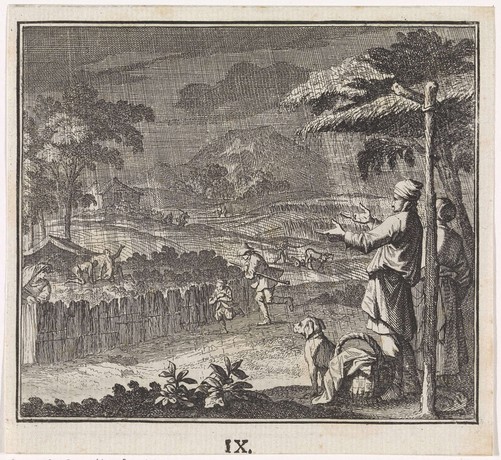
Immerse in the symbolic harmony of Luyken's "Emblem: Rain"
#Rijksmuseum. An expression of the 1700 era's delicate relationship between man & nature. Don't you find the raw portrayal gripping?
#ArtTwitter #EmblemRain #17thCenturyArthttps://www.rijksmuseum.nl/nl/collectie/RP-P-1896-A-19368-1799
Embleem: regen, Caspar Luyken, ca. 1700 - Rijksmuseum
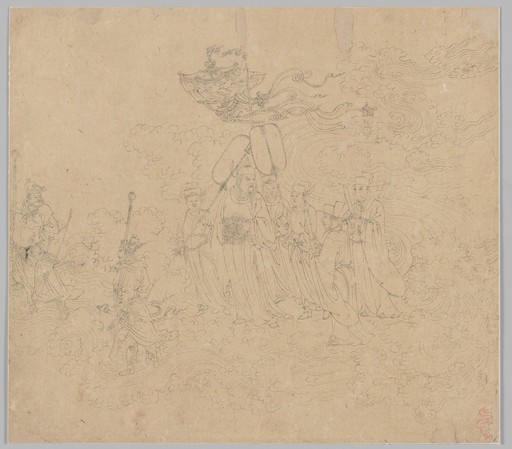
Immerse in a timeless journey with
#ClevelandMuseumofArt's 'Album of Daoist and Buddhist Themes: Procession of Daoist Deities: Leaf 6'. With intricate details, it's a mystical narrative on paper. Reply with which deity struck your fancy the most.
#ArtTwitter #Daoismhttps://clevelandart.org/art/2004.1.6
Album of Daoist and Buddhist Themes: Procession of Daoist Deities: Leaf 6 | Cleveland Museum of Art
This extraordinary album has 50 paintings on a variety of religious subjects. They were likely created by several master craftsmen to share with studio apprentices as models for fulfilling commissions. The Jade Emperor and the Daoist pantheon make up the first 26 leaves. The next 14 leaves portray the Buddhist Ten Kings of Hell administering punishments to the dead. The third section, called “Clearing the Mountains,” features divine soldiers, led presumably by the deity Erlang Shen 二郎神, fighting undesirable creatures.
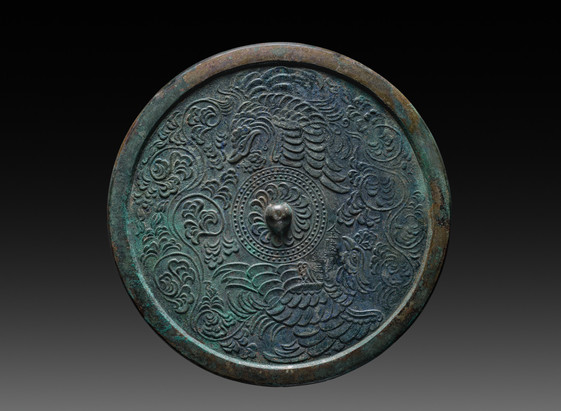
Encountered the 'Mirror with a Pair of Phoenixes' at
#ClevelandMuseumofArt! Charmed by this bronze beauty that skillfully intertwines mythology with everyday utility. Tell me, what's your interpretation of this piece?
#ArtTwitter #PhoenixMirrorhttps://clevelandart.org/art/1995.389Mirror with a Pair of Phoenixes | Cleveland Museum of Art
Informations of the artwork
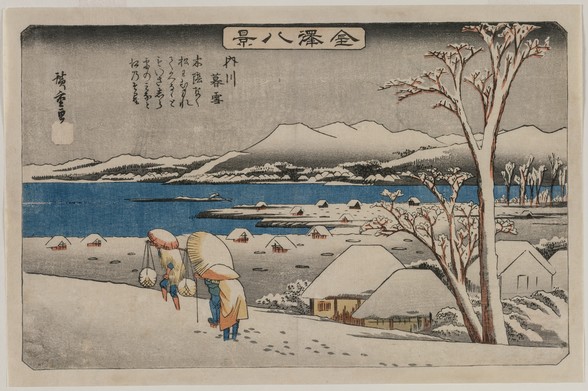
Delving into the silent beauty of "Evening Snow at Uchikawa" from Eight Views of Kanazawa series @ClevelandArt. Notice how delicate lines etch tranquility into this snowy landscape!
#ArtLovers, how does this piece evoke winter for you?
#ArtTwitter #UchikawaSnowhttps://clevelandart.org/art/1940.987Evening Snow at Uchikawa, from the series Eight Views of Kanazawa | Cleveland Museum of Art
Informations of the artwork
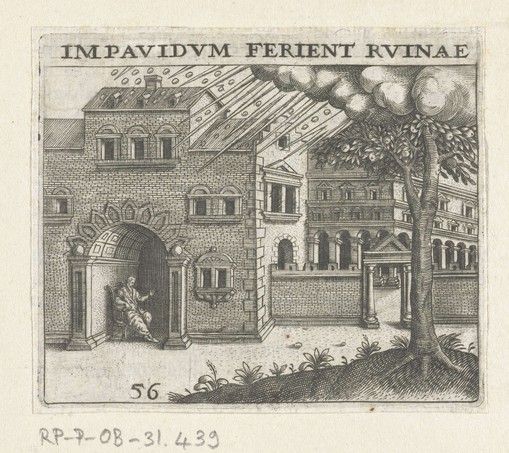
Exploring the sublime rawness of mother nature in Theodor de Bry's 'Man schuilt voor een hagelstorm,1596',
#Rijksmuseum. Details capture dread & awe of storms with sheer artistry. Thoughts?
#ArtTwitter #DeBry #Rijksmuseumhttps://www.rijksmuseum.nl/nl/collectie/RP-P-OB-31.439
Man schuilt voor een hagelstorm, Theodor de Bry, naar Jean Jacques Boissard, 1596 - Rijksmuseum
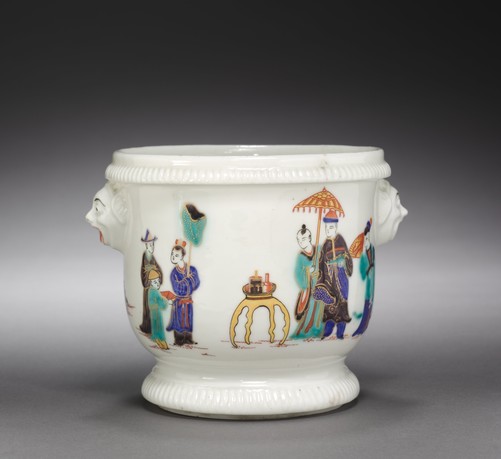
Discover endless intrigue with the 'Bottle Cooler' at #ClevelandMuseumofArt. Its playful blend of decorative art and functionality is an invitation to dive deeper. Who said art and libations don't mix?
#ArtTwitter #ClevelandArtMuseum #FunctionalArt
What bar item would you like to see as art next?
https://clevelandart.org/art/1944.226.2

Bottle Cooler France, Saint Cloud, 18th century | Cleveland Museum of Art
The form of these cachepots is entirely typical of Saint-Cloud porcelain of about 1725. Their decoration, based upon Chinese porcelains of the so-called "famille-verte" type, is most unusual. Polychromed enamels were not often employed on Saint-Cloud porcelains, and figural scenes are very rare.
Timeless mastery captured in Mazzolino's 'The Submersion of Pharaoh's Army in the Red Sea'
#ClevelandMuseumofArt. Vivid colors, raw emotion and epic tale on canvas. How would you interpret it?
#ArtTwitter #RenaissanceArt #InterpretArthttps://clevelandart.org/art/1952.296.2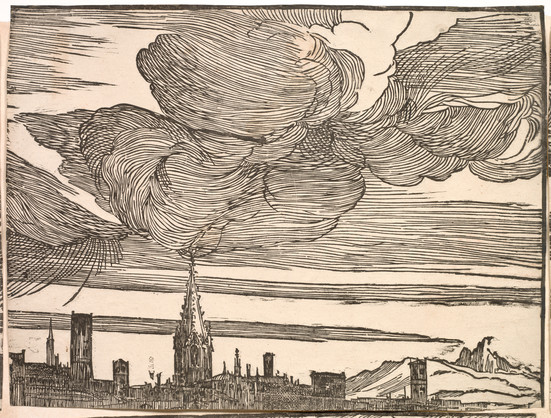

The Submersion of Pharaoh's Army in the Red Sea | Cleveland Museum of Art
To make this monumental woodcut—considered one of the most ambitious prints of the Renaissance—Titian probably drew directly on the wooden blocks, after which a skilled cutter completed the blocks. The size rivals that of a painting, and the composition would have hung on a wall. Titian’s bold vision presents nature as a vehicle of God’s mercy and wrath. Moses, at right, having parted the seas for the Israelites to pass, commands them to close over the Egyptian forces (Exodus 14:21–31). Titian propelled the narrative with remarkable unity, dedicating entire blocks to the turbulent sea and rolling clouds that culminate in a magnificent cliff and Renaissance city. Some have interpreted the scene as an allegory of Venice’s troubles with the League of Cambrai, a military alliance that threatened the island city.
 Hidden Gems