 Anthropology.net
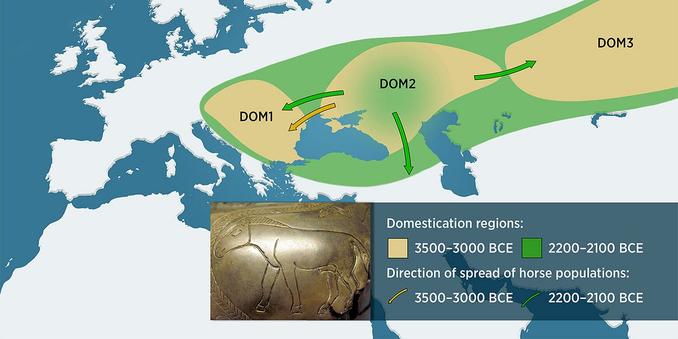
New Science Advances review challenges the claim that horse domestication began at 2200 BCE. Riding, milking, and herding left traces centuries earlier, in Yamnaya bones and Botai teeth. Domestication was a process, not an event. #Archaeology #Archaeogenomics #Domesication https://www.anthropology.net/p/before-the-modern-horse-there-were
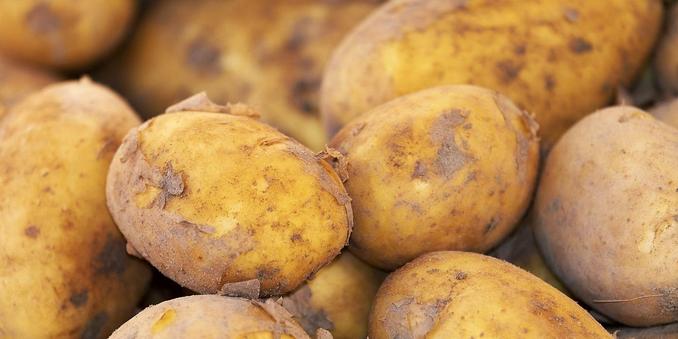
Andean Quechua speakers carry more copies of a starch-digestion gene than any known population — and the selection signal is stronger than classic high-altitude adaptations. New: Nature Communications 2026. #Anthropology #HumanEvolution #Archaeogenomics https://www.anthropology.net/p/the-strongest-selection-signal-in
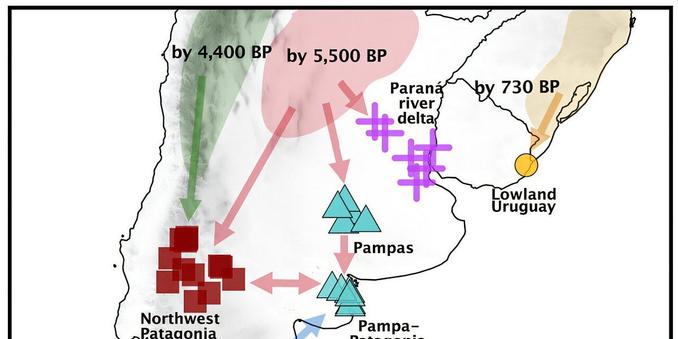
Ancient DNA from 52 individuals across 6,000 years in Argentina and Uruguay reveals a Southern Cone in constant motion: three competing ancestries in the Pampas, a mystery lineage no one can source, and genetic ties from Uruguay to coastal Brazil. #Archaeogenomics #AncientDNA #SouthAmerica https://www.anthropology.net/p/strangers-in-the-pampas
 SPAAM-community
On this week's #MetagenomicsMonday: #aDNA study 🧬traces the roots of French #wine! 🍇 Roman trade, clonal propagation, and even a medieval grape identical to modern #PinotNoir emerge from 4,000 years of #viticulture.
https://www.nature.com/articles/s41467-026-70166-z
#SPAAM #archaeogenomics #archaeobotany #domestication #agriculture
https://www.nature.com/articles/s41467-026-70166-z
#SPAAM #archaeogenomics #archaeobotany #domestication #agriculture
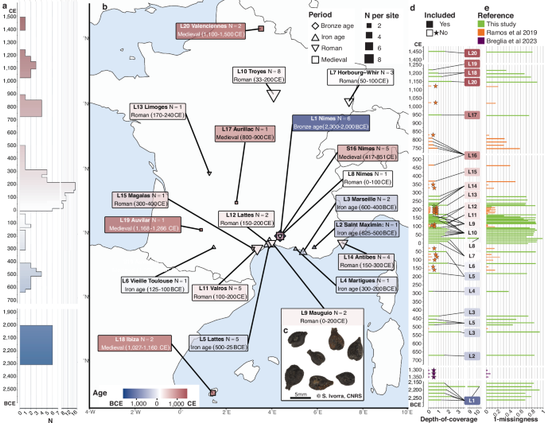
Ancient DNA reveals 4000 years of grapevine diversity, viticulture and clonal propagation in France - Nature Communications
Here, the authors present aDNA from 49 grape pips spanning the Bronze Age to Medieval period in France and surrounding areas. They find evidence of long-distance exchange of domestic varieties through vegetative clones and one Medieval sample that is nearly identical to modern Pinot Noir.
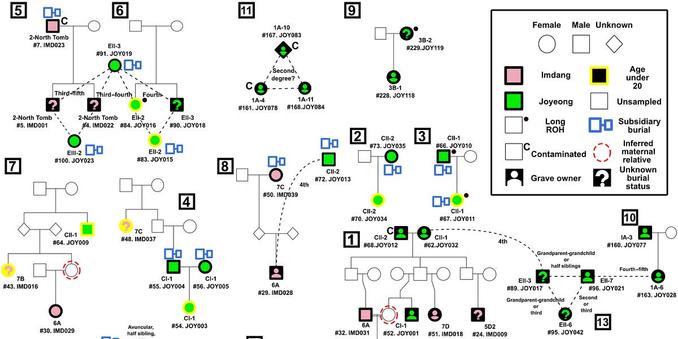
Ancient DNA from a 1,500-year-old Korean burial complex shows close-kin marriage across social ranks, female kinship networks, and whole families sacrificed together. #ArchaeoGenomics #AncientDNA #KoreanHistory https://www.anthropology.net/p/the-sacrificed-were-kin-ancient-dna
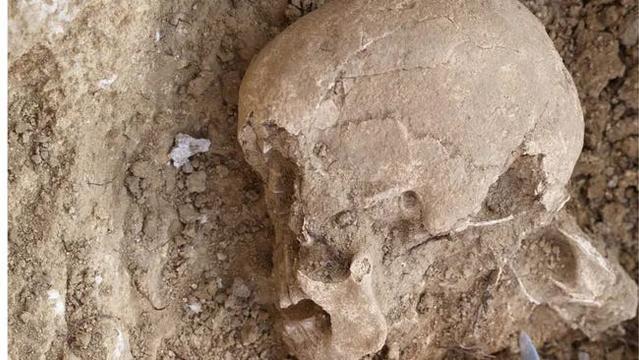
Catch a new post at the intersection of genetics and medieval Iberia. DNA from a man buried in a 6,000-year-old dolmen reveals mixed European, North African & Levantine ancestry — but tells us nothing about his faith. #Archaeogenomics #AlAndalus #Menga https://www.anthropology.net/p/two-men-one-ancient-monument-and
New ancient DNA from 10th–12th century Islamic Ibiza reveals Sub-Saharan African individuals from Chad and Senegambia, rapid post-conquest admixture, and the first genetically confirmed leprosy case from medieval Islamic Iberia. #Archaeogenomics #AncientDNA #MedievalHistory https://www.anthropology.net/p/the-cemetery-at-the-edge-of-the-islamic
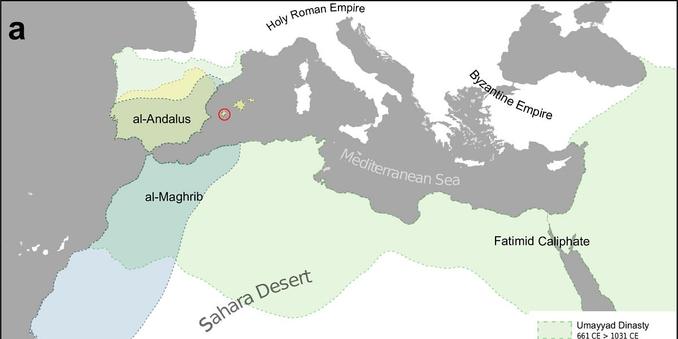
The Cemetery at the Edge of the Islamic World
Thirteen medieval burials on Ibiza hold the genetic record of a conquered island, trans-Saharan networks, and a case of leprosy hidden in plain sight.
Ancient DNA from Argentina’s Uspallata Valley shows local hunter-gatherers became farmers themselves — no replacement. Then migrants arrived, sick and declining, just before the Inka. A striking case of resilience under crisis. #Archaeogenomics #Paleoanthropology #SouthAmericanArchaeology https://www.anthropology.net/p/they-didnt-come-with-the-farmers
 Bibliolater 📚 📜 🖋
🔴 **Ancient genomes reveal Avar-Hungarian transformations in the 9th-10th centuries CE Carpathian Basin**
_“Our evaluations reveal spatially different histories in Transdanubia even between communities in close geographical proximity, highlighting the importance of dense sampling and analyses. Our findings highlight extensive homogenization and reorganization processes, as well as discontinuities between Hun, Avar, and Hungarian conquest period immigrant groups, alongside the spread and integration of ancestry related to the Hungarian conquerors.”_
Dániel Gerber et al., Ancient genomes reveal Avar-Hungarian transformations in the 9th-10th centuries CE Carpathian Basin. Sci. Adv.10, eadq5864(2024). DOI: https://doi.org/10.1126/sciadv.adq5864.
#OpenAccess #OA #Research #Article #Anthropology #Archaeogenomics #Archaeology #Archaeodons #Ancient #Genomes #Science #CarpathianBasin #Hungary #Europe @anthropology @archaeodons
 CellBioNews
Tracing the spread of #cacao #domestication.

Tracing the spread of cacao domestication
The cacao tree (Theobroma cacao), whose beans (cocoa) are used to make products including chocolate, liquor and cocoa butter, may have spread from the Amazon basin to the other regions of South and Central America at least 5,000 years ago via trade routes, suggests a paper published in Scientific Reports.