The Incense Burner (Boshan Lu) from the Han Dynasty captures the essence of sacred realms, with its intricate design depicting hunting scenes and mystical beasts. A true masterpiece of ancient Chinese artistry! How does this piece inspire your imagination?
#ClevelandArt #AncientCraftsmanship #ArtHistoryhttps://clevelandart.org/art/1986.46.bThe Piedra de los 12 Ángulos (Stone of the 12 Angles) is one of the most famous examples of Inca stonework in Cusco, Peru. Located in the Hatun Rumiyoc street, this massive stone is renowned for its perfect fit, with twelve precisely carved angles that interlock seamlessly with the surrounding stones.
Source:
https://www.cuscotudestinotravel.com/#PiedraDeLos12Ángulos #Cusco #IncaEngineering #Peru #AncientCraftsmanship #Stonework #Archaeology
Tours a Machu Picchu y Experiencias Inolvidables en Perú
Viaja por Perú con tours personalizados a Machu Picchu, Cusco y los destinos más increíbles. Vive experiencias auténticas diseñadas para ti.
Archaeologists have unearthed 2,700-year-old jewelry in Poland crafted from rare ataxite meteorite iron, revealing an ancient connection to the cosmos. This discovery suggests early iron processing skills and could represent the oldest examples of patterned iron, predating Damascus steel.
@goodnews
#GoodNews #Archaeology #Meteorite #AncientCraftsmanship
https://thedebrief.org/2700-year-old-meteorite-jewelry-unearthed-in-poland-reveals-ancient-connection-to-the-cosmos/

2,700-Year-Old Meteorite Jewelry Unearthed in Poland Reveals Ancient Connection to the Cosmos
Science, Tech and Defense for the Rebelliously Curious.
Admire "Deer Effigy Vessel" at #ClevelandMuseumofArt, a Maya blackware masterpiece from AD 250-600. Notice the Venus signs and conch shells symbolizing death, and the frog hinting at rain? What stories do you think this artifact tells? #MayaArt #AncientCraftsmanship
(@ mentions must be
https://clevelandart.org/art/1997.60
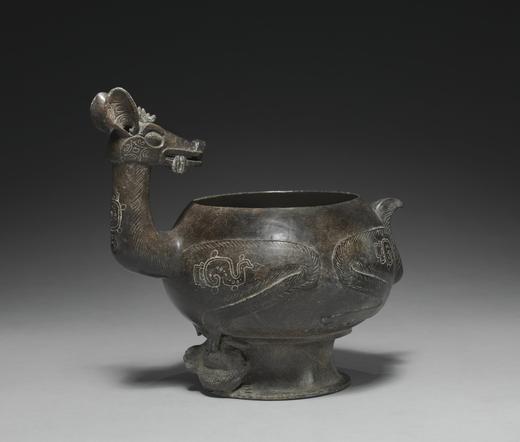

Deer Effigy Vessel | Cleveland Museum of Art
Maya artwork from the Early Classic Period (about AD 250-600) is dominated by three-dimensional sculpture in jade, stone, wood, and especially ceramic. This vessel is an exceptionally elegant example of Maya blackware, produced by firing earthenware pottery in a reducing (low oxygen) atmosphere. The deer is frequently depicted in Maya art, usually as a victim of either hunting or sacrifice. Venus signs and conch shells engraved on the deer also suggest death, for the planet Venus was regarded as a bringer of ill-fortune, and conch shell trumpets were carried by hunters. The small frog or toad pressed firmly under the deer's hoof relates to agricultural fertility. The croaking of these amphibians was a harbinger of rain.
Behold the majestic beauty of the "Jar with Dragon and Clouds Design" at
#ClevelandMuseumofArt. The fierce dragon amidst swirling clouds captivates with its ancient aura. How would you interpret it?
#DragonArt #AncientCraftsmanship #ArtLovershttps://clevelandart.org/art/1986.69
Jar with Dragon and Clouds Design | Cleveland Museum of Art
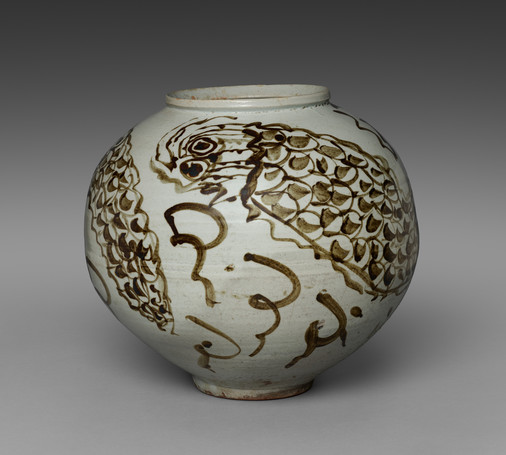
In traditional Korean art, dragons have been used as an emblem of royalty. Over many centuries, the ways of depicting this powerful mythical creature evolved and varied in response to artistic trends and socioeconomic changes. On this jar from the 1600s, the artist drew a whimsical dragon with bulging eyes who wraps his scaled body around the vessel. The artist’s aim here was to capture the wild spirit of the supernatural creature with free flowing calligraphic brushstrokes.
 MYSL Travel
 Hidden Gems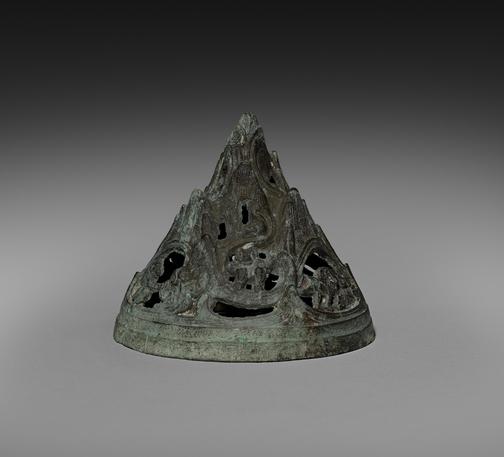
 Ruthsita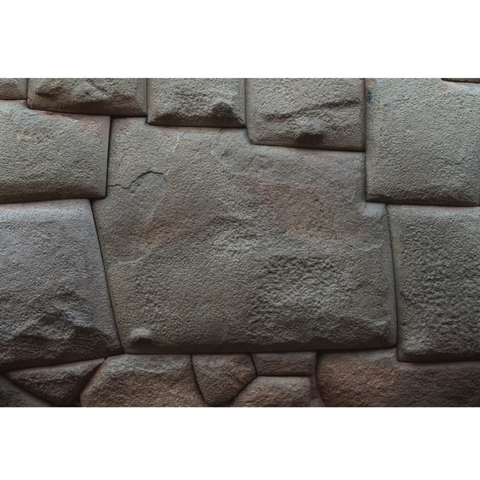
 Good News Community