 Dr Micha Campbell
 Dr Emma Rehn
#ArtAdventCalendar day 8
Just a few of the charcoal drawings (of ancient charcoal particles from lake mud) from my PhD. Keen for a morning of #palaeofire talks today! 🔥 #AQUA22
Charcoal in Charcoal compilation, 2018, charcoal on paper
#ArtAdventCalendar day 8
Just a few of the charcoal drawings (of ancient charcoal particles from lake mud) from my PhD. Keen for a morning of #palaeofire talks today! 🔥 #AQUA22
Charcoal in Charcoal compilation, 2018, charcoal on paper

#ArtAdventCalendar day 7
Continuing the Australasian Quaternary Association conference toots, I'll be talking a lot today at #AQUA22 / Australian Archaeological Association about the OCTOPUS database 🐙 with this artwork on my shirt!
Laundry OCTOPUS, 2022, digital, visual abstract for: https://doi.org/10.5194/essd-14-3695-2022
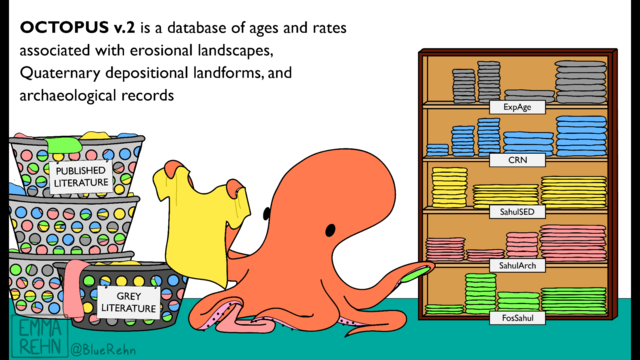

<p><strong class="journal-contentHeaderColor">Abstract.</strong> OCTOPUS v.2 is an Open Geospatial Consortium (OGC) compliant web-enabled database that allows users to visualise, query, and download cosmogenic radionuclide, luminescence, and radiocarbon ages and denudation rates associated with erosional landscapes, Quaternary depositional landforms, and archaeological records, along with ancillary geospatial (vector and raster) data layers. The database follows the FAIR (Findability, Accessibility, Interoperability, and Reuse) data principles and is based on open-source software deployed on the Google Cloud Platform. Data stored in the database can be accessed via a custom-built web interface and via desktop geographic information system (GIS) applications that support OGC data access protocols. OCTOPUS v.2 hosts five major data collections. CRN Denudation and ExpAge consist of published cosmogenic <span class="inline-formula"><sup>10</sup></span>Be and <span class="inline-formula"><sup>26</sup></span>Al measurements in modern fluvial sediment and glacial samples respectively. Both collections have a global extent; however, in addition to geospatial vector layers, CRN Denudation also incorporates raster layers, including a digital elevation model, gradient raster, flow direction and flow accumulation rasters, atmospheric pressure raster, and CRN production scaling and topographic shielding factor rasters. SahulSed consists of published optically stimulated luminescence (OSL) and thermoluminescence (TL) ages for fluvial, aeolian, and lacustrine sedimentary records across the Australian mainland and Tasmania. SahulArch consists of published OSL, TL, and radiocarbon ages for archaeological records, and FosSahul consists of published late-Quaternary records of direct and indirect non-human vertebrate (mega)fauna fossil ages that have been systematically quality rated. Supporting data are comprehensive and include bibliographic, contextual, and sample-preparation- and measurement-related information. In the case of cosmogenic radionuclide data, OCTOPUS also includes all necessary information and input files for the recalculation of denudation rates using the open-source program CAIRN. OCTOPUS v.2 and its associated data curation framework allow for valuable legacy data to be harnessed that would otherwise be lost to the research community. The database can be accessed at <span class="uri">https://octopusdata.org</span> (last access: 1 July 2022). The individual data collections can also be accessed via their respective digital object identifiers (DOIs) (see Table <a href="#Ch1.T1">1</a>).</p>
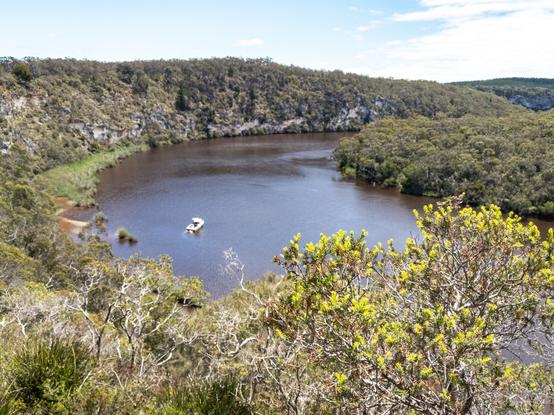
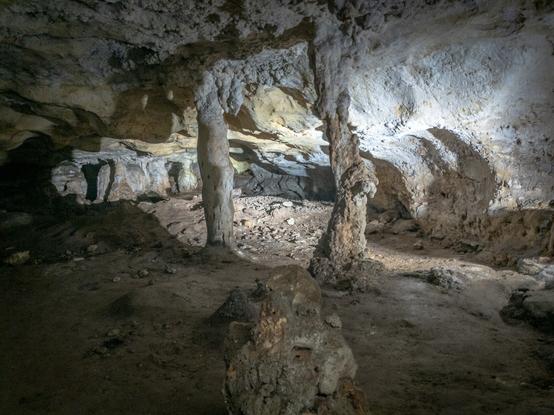
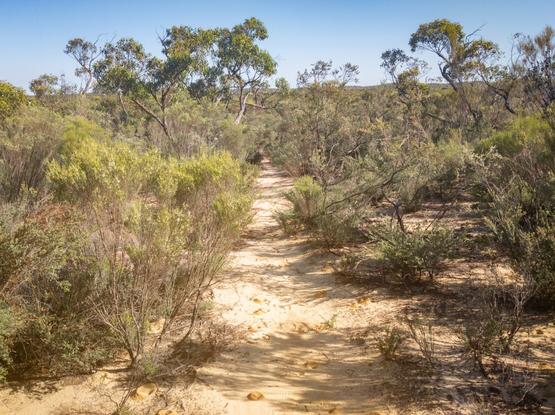
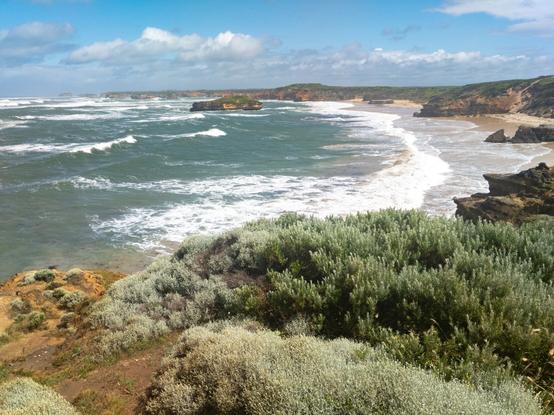
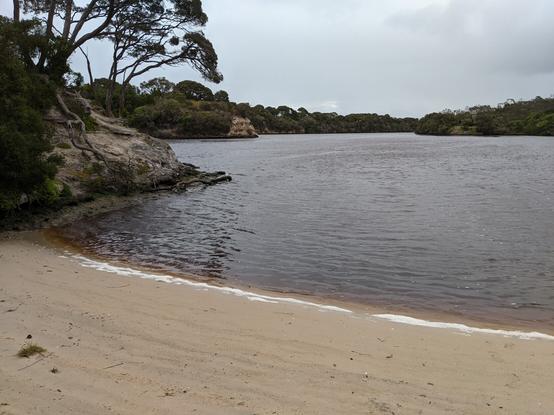
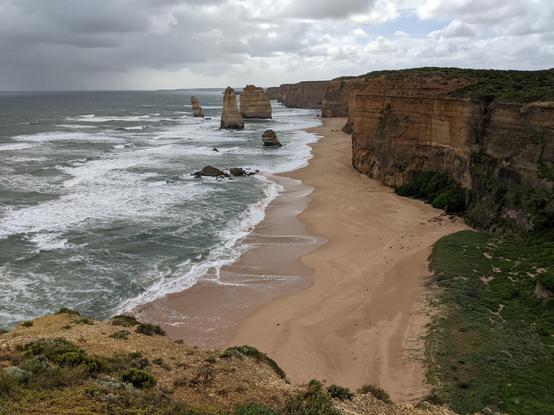
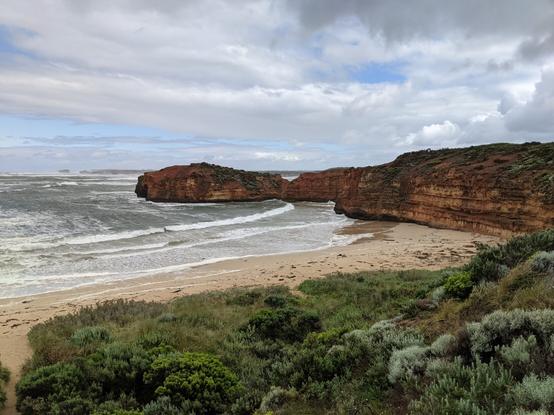
Sampling some stunning Quaternary landscapes on my way to #AQUA22 👀
Melbourne ➡️ Great Ocean Road ➡️ Glenelg River ➡️ Naracoorte Caves ➡️ Mallee dunefields ➡️ Adelaide
 Dr Richard Selwyn Jones 🧊🪨🌡️🌊
 Dr Juliet Sefton