A Look Back at Taina Elg’s Film and Stage Career During Hollywood’s Golden Age

📰 Original title: Taina Elg: The Elegant Finnish Star of 1950s Hollywood

🤖 IA: It's not clickbait ✅
👥 Users: It's not clickbait ✅

View full AI summary https://en.killbait.com/a-look-back-at-taina-elg-s-film-and-stage-career-during-hollywood-s-golden-age.html?utm_source=mastodon_world&utm_medium=social&utm_campaign=killbait.mastodon_world

#cinema #tainaelg #classichollywood #1950scinema

A Look Back at Taina Elg’s Film and Stage Career During Hollywood’s Golden Age

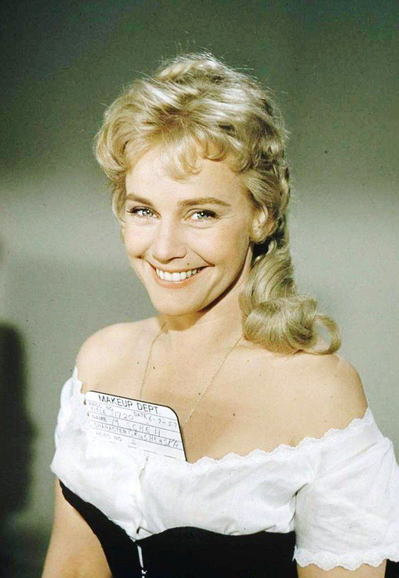
This article highlights the life and career of Taina Elg, the Finnish-American actress and dancer who became a notable figure in Hollywood during the 1950s. Before entering the film industry, Elg established herself as a highly trained ballerina, performing with prestigious companies including the Royal Swedish Ballet and the Grand Ballet du Marquis de Cuevas. Her classical dance background, combined with her elegance and striking appearance, attracted the attention of talent scouts and eventually led to a contract with Metro-Goldwyn-Mayer (MGM) in the mid-1950s. Elg gained widespread recognition for her role in the 1957 musical film 'Les Girls,' directed by George Cukor. Starring alongside Gene Kelly and Mitzi Gaynor, her performance earned her a Golden Globe Award and solidified her place among the memorable actresses of the era. While her film work brought her international attention, she also achieved considerable success in theater. Her stage career included acclaimed performances on Broadway, and she later received a Tony Award nomination for her role in the 1975 musical 'Where’s Charley?'. The article is accompanied by a collection of vintage photographs from the 1950s that showcase Elg’s refined beauty, graceful presence, and sophisticated style. These images serve as a visual tribute to a performer who successfully combined European artistic training with the glamour of classic Hollywood. The feature presents Taina Elg as a lasting cultural figure whose contributions to both cinema and theater continue to be appreciated by fans of Golden Age entertainment.

KillBait

A Look Back at Taina Elg’s Film and Stage Career During Hollywood’s Golden Age

📰 Original title: Taina Elg: The Elegant Finnish Star of 1950s Hollywood

🤖 IA: It's not clickbait ✅
👥 Users: It's not clickbait ✅

View full AI summary https://en.killbait.com/a-look-back-at-taina-elg-s-film-and-stage-career-during-hollywood-s-golden-age.html?utm_source=mastodon_social&utm_medium=social&utm_campaign=killbait.mastodon_social

#cinema #tainaelg #classichollywood #1950scinema

A Look Back at Taina Elg’s Film and Stage Career During Hollywood’s Golden Age

This article highlights the life and career of Taina Elg, the Finnish-American actress and dancer who became a notable figure in Hollywood during the 1950s. Before entering the film industry, Elg established herself as a highly trained ballerina, performing with prestigious companies including the Royal Swedish Ballet and the Grand Ballet du Marquis de Cuevas. Her classical dance background, combined with her elegance and striking appearance, attracted the attention of talent scouts and eventually led to a contract with Metro-Goldwyn-Mayer (MGM) in the mid-1950s. Elg gained widespread recognition for her role in the 1957 musical film 'Les Girls,' directed by George Cukor. Starring alongside Gene Kelly and Mitzi Gaynor, her performance earned her a Golden Globe Award and solidified her place among the memorable actresses of the era. While her film work brought her international attention, she also achieved considerable success in theater. Her stage career included acclaimed performances on Broadway, and she later received a Tony Award nomination for her role in the 1975 musical 'Where’s Charley?'. The article is accompanied by a collection of vintage photographs from the 1950s that showcase Elg’s refined beauty, graceful presence, and sophisticated style. These images serve as a visual tribute to a performer who successfully combined European artistic training with the glamour of classic Hollywood. The feature presents Taina Elg as a lasting cultural figure whose contributions to both cinema and theater continue to be appreciated by fans of Golden Age entertainment.

KillBait

Jester Naefe and Her Rise as a Star of 1950s German-Language Cinema

📰 Original title: Jester Naefe: The Golden Girl of Post-War German Cinema

🤖 IA: It's not clickbait ✅
👥 Users: It's not clickbait ✅

View full AI summary: https://en.killbait.com/jester-naefe-and-her-rise-as-a-star-of-1950s-german-language-cinema.html?utm_source=mastodon_world&utm_medium=social&utm_campaign=killbait.mastodon_world

#cinema #jesternaefe #1950scinema #austrianactress

Jester Naefe and Her Rise as a Star of 1950s German-Language Cinema

Jester Naefe was an Austrian actress born in Vienna in 1924 who rose to prominence in the 1950s as one of the most recognizable faces of German-language cinema. Known for her elegance, charm, and expressive screen presence, she quickly became a favorite among post-war audiences seeking glamour and escapism during a period of rebuilding in Europe. Her performances were widely admired, and she was often compared to Hollywood stars due to her striking beauty and charismatic appeal. Although her career was primarily based in Munich and Berlin, she maintained a strong connection to her Austrian heritage throughout her life and work. During the height of her career, Naefe starred in several notable film productions that helped define the cinematic style and cultural mood of the era. She represented a new wave of post-war European actresses who embodied sophistication and optimism on screen. Her roles contributed to shaping the identity of 1950s German-language entertainment, where film served as both cultural renewal and popular escapism. Despite her success, Naefe’s career was tragically shortened by a severe and debilitating illness that forced her to withdraw from public life at a young age. This sudden end to her acting career left a sense of unfulfilled potential, but her legacy endured through her films and photographs. Today, she is remembered as one of the most beautiful and talented Austrian performers of her generation, and her image continues to symbolize the glamour of post-war European cinema.

KillBait

Jester Naefe and Her Rise as a Star of 1950s German-Language Cinema

📰 Original title: Jester Naefe: The Golden Girl of Post-War German Cinema

🤖 IA: It's not clickbait ✅
👥 Users: It's not clickbait ✅

View full AI summary: https://en.killbait.com/jester-naefe-and-her-rise-as-a-star-of-1950s-german-language-cinema.html?utm_source=mastodon_social&utm_medium=social&utm_campaign=killbait.mastodon_social

#cinema #jesternaefe #1950scinema #austrianactress

Jester Naefe and Her Rise as a Star of 1950s German-Language Cinema

Jester Naefe was an Austrian actress born in Vienna in 1924 who rose to prominence in the 1950s as one of the most recognizable faces of German-language cinema. Known for her elegance, charm, and expressive screen presence, she quickly became a favorite among post-war audiences seeking glamour and escapism during a period of rebuilding in Europe. Her performances were widely admired, and she was often compared to Hollywood stars due to her striking beauty and charismatic appeal. Although her career was primarily based in Munich and Berlin, she maintained a strong connection to her Austrian heritage throughout her life and work. During the height of her career, Naefe starred in several notable film productions that helped define the cinematic style and cultural mood of the era. She represented a new wave of post-war European actresses who embodied sophistication and optimism on screen. Her roles contributed to shaping the identity of 1950s German-language entertainment, where film served as both cultural renewal and popular escapism. Despite her success, Naefe’s career was tragically shortened by a severe and debilitating illness that forced her to withdraw from public life at a young age. This sudden end to her acting career left a sense of unfulfilled potential, but her legacy endured through her films and photographs. Today, she is remembered as one of the most beautiful and talented Austrian performers of her generation, and her image continues to symbolize the glamour of post-war European cinema.

KillBait

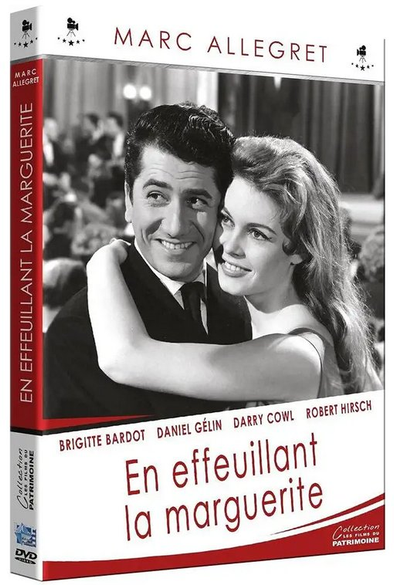
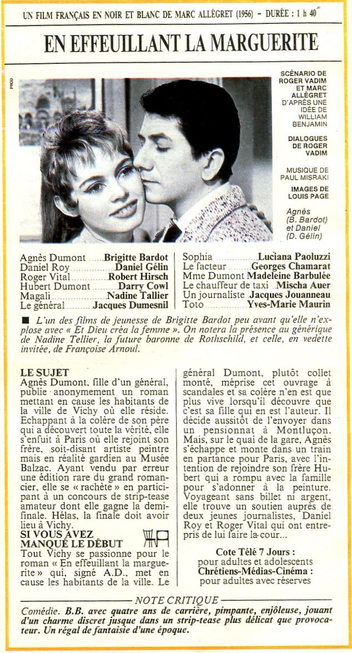
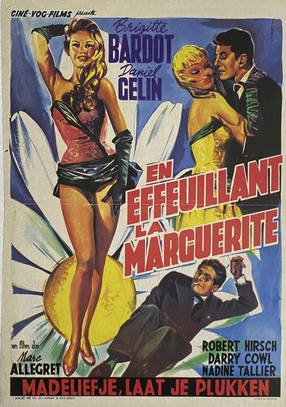
🎬 En effeuillant la marguerite [Plucking the Daisy] (1956)

Subtitles available:
🇬🇧 English
🇪🇸 Spanish

⬇️ Download https://app.box.com/s/p24ypnzdyk56vvnzwq3813hcaf4rwtwa

🎞 IMDb https://www.imdb.com/title/tt0049182/

▶️ Watch the video here 👇
https://m.ok.ru/video/4573023439558

#EnEffeuillantLaMarguerite #Comedy #Romance #FrenchCinema #BrigitteBardot #MarcAllegret #1950sCinema #ClassicFilm #Paris

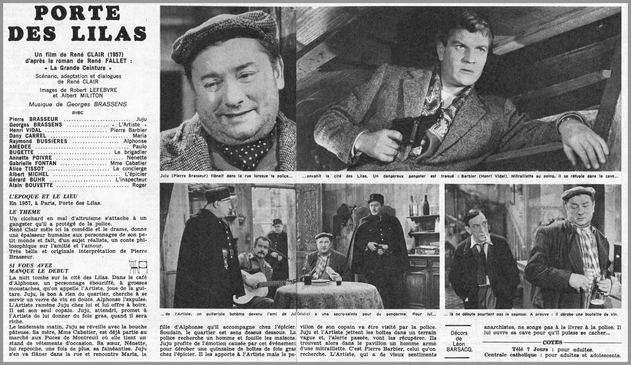
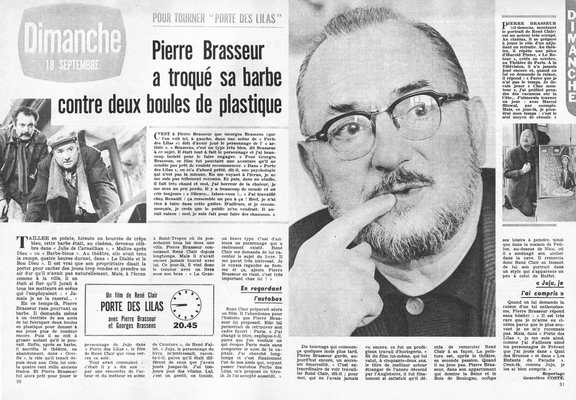
🎬 Porte des Lilas (1957)

Subtitles available:
🇳🇱 Dutch
🇫🇷 French
🇬🇧 English
🇬🇷 Greek
🇮🇹 Italian
🇪🇸 Spanish

⬇️ Download https://app.box.com/s/q4zbkffc3p96aglfsjq1508uufq3mws0

🎞 IMDb https://www.imdb.com/title/tt0050850/

▶️ Watch the video here 👇
https://hydracker.com/titles/92558/porte-des-lilas

#PorteDesLilas #Drama #France #FrenchCinema #1950sCinema #ReneClair #Paris #ClassicCinema #Melodrama

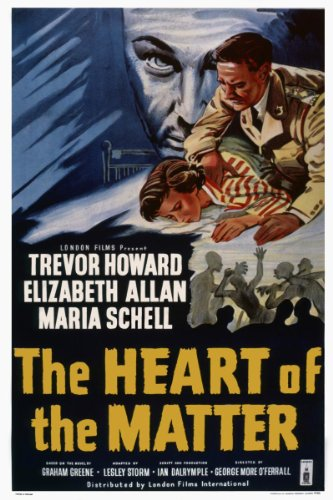
🕊️ In memoriam — Maria Schell
15 January 1926 — 26 April 2005

A defining face of 1950s European cinema, Maria Schell rose with Die letzte Brücke (1954), her emotional intensity capturing post-war fragility. She later gained international acclaim with The Brothers Karamazov (1958), bridging European cinema and Hollywood.

Born in Vienna, she became a luminous screen presence. She died at 79 in Preitenegg, Austria.

#MariaSchell #InMemoriam #EuropeanCinema #1950sCinema #CinemaHistory

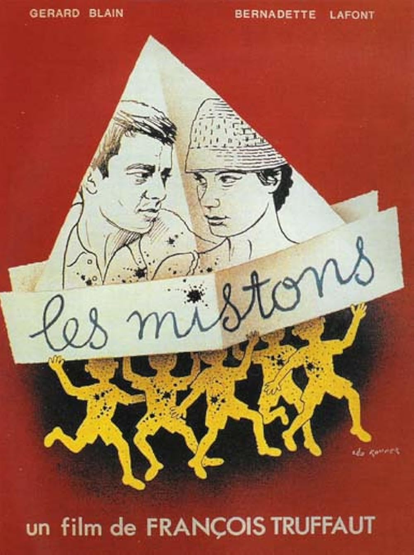
🎬 Les mistons (1957)

Subtitles available:
🇬🇧 English
🇩🇪 German
🇬🇷 Greek
🇮🇹 Italian
🇪🇸 Spanish

⬇️ Download https://app.box.com/s/ls9rmvdjsq9hut6gapm00ju8l7wtogi1

🎞 IMDb https://www.imdb.com/title/tt0050714/

▶️ Watch the video here 👇
NONE

#LesMistons #Drama #ShortFilm #FrenchCinema #FrançoisTruffaut #1950sCinema #YouthStories #ComingOfAge #ClassicFilm