Wandering Pine

@wanderingpine
10 Followers
10 Following
132 Posts
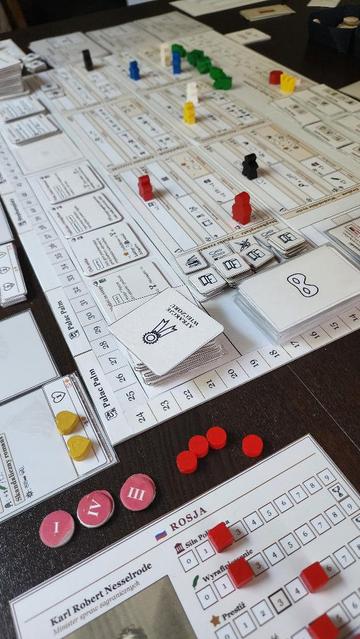
Amateur board game designer, working on Vienna 1814: Waltz of Nations a strategic euro game showing Congress of Vienna from social and cultural perspective, with only a bit of politics. Think romance, think intrigue, think loyalty building and hosting spectacular entertainments.
Follow me on socialshttps://linktr.ee/wanderingpinegames

A note on why Vienna 1814: Waltz of Nations is taking its time: the research never really stops. Seven years ago I worried I'd be lucky to find 100 real participants of the Congress worth putting in the game.

I'm now past 200 — and the list keeps growing. Authentic people, with their talents, flaws and oddities, are one of the core elements I care most about. The hard part isn't finding characters.

It's knowing when to stop.
#BoardGameDesign #HistoricalGames #CongressOfVienna

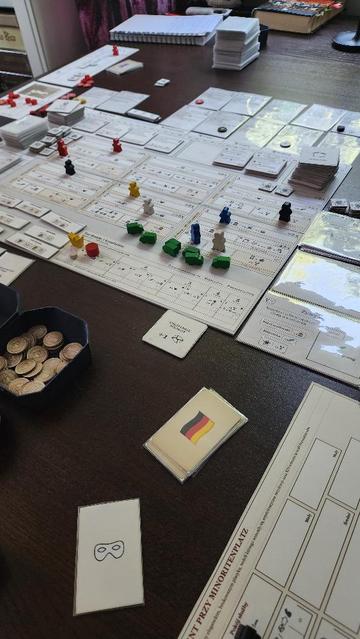
Solo playtesting weekend for Vienna 1814: Waltz of Nations, with a heatwave sitting over Europe. I told myself the prototype was a mental escape to a cooler Vienna — and the research backed me up: the 1810s were the coldest summer decade Central Europe had seen in three centuries. The Congress hadn't even opened yet; the city was only starting to stir. Designing historical games: sweating in the present over a past that was, for once, more comfortable.
#BoardGameDesign #HistoricalGames

𝗧𝗵𝗲 𝗖𝗼𝗻𝗴𝗿𝗲𝘀𝘀 𝗗𝗮𝗻𝗰𝗲𝘀… 𝗯𝘂𝘁 𝗱𝗼𝗲𝘀 𝗻𝗼𝘁 𝗽𝗿𝗼𝗴𝗿𝗲𝘀𝘀.

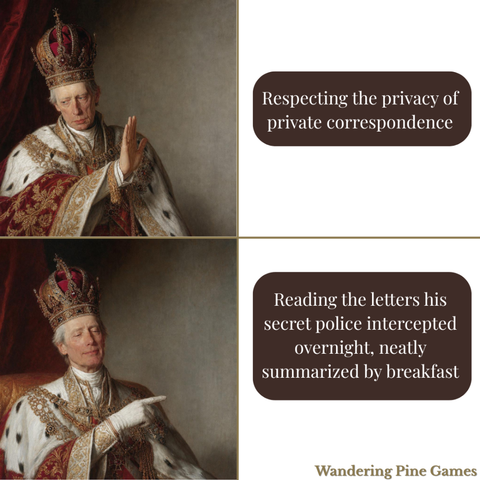
At the Congress of Vienna, Austria's "black cabinet" intercepted diplomatic mail and delivered summaries by breakfast. Its head, Baron Hager, is a real character in Vienna 1814: Waltz of Nations — and his strength is information: access to what others would rather hide. Designing this game keeps turning history's footnotes into abilities.

#BoardGameDesign #HistoricalGames #CongressOfVienna #DevDiary

Time to refill the Magic Die list for Faces of Vienna.
The idea: you suggest a European country, I roll, then I do a deep dive into a real person connected to that country and the Congress of Vienna.
So far this round:
1. San Marino
2. Malta
Four slots left. Last round Estonia led me to Stackelberg, one of Russia's men in Vienna. Which country should I research next?
#BoardGameDesign #HistoricalGames #CongressOfVienna

New round of Faces of Vienna. The last deep dive (Stackelberg, via Estonia) is wrapped, so the list is blank again. Which European country should go on it? I gather six, roll the magic die, and research a real historical figure connected to the winner and the Congress of Vienna — usually with a fair amount of historical gymnastics.

#BoardGameDesign #HistoricalGames #CongressOfVienna

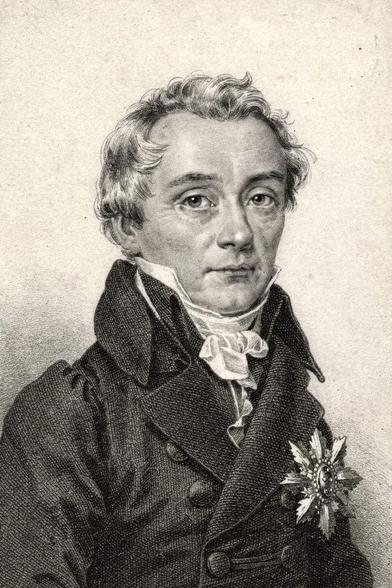
Stackelberg died in Paris in 1850 and rests on Montmartre.
No journal. No memoir. Not one published line in his own hand. An age that chronicled itself obsessively — in memoirs, bon mots and diaries — let the man who played its host slip from memory.
And so we piece him together from the offcuts of other people's sentences. Figure no. 23. The last on the list. Still awaiting someone to write the rest.
#CongressOfVienna #history
And now the strangest part.
In that journal Gentz passed verdict on everyone: Metternich's love affairs, Razumovsky's debts, the vanity of kings.
On Stackelberg — whose table he shared dozens of times — not one judgement. Merely: "dined at Count Stackelberg's." A bare line of attendance. A man who eluded even the observer who saw straight through everyone else.
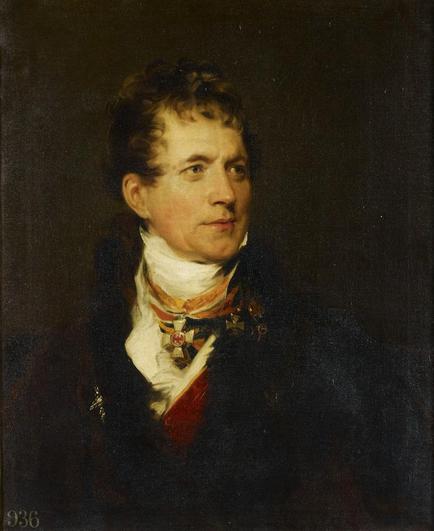
That other man was Friedrich von Gentz — the Congress's secretary, and its most pitiless diarist.
Gentz pocketed "gifts" from one delegation after another, each carefully entered in his journal. He dismissed the world's sovereigns as "petty creatures" and savoured their mediocrity like theatre put on for his amusement.
All of them passed beneath his pen. Stackelberg too — who kept inviting him back to dinner.
October 1814. Within one week Stackelberg hosts two balls. The guests of honour? Russia's Emperor and Empress, the King of Prussia — "everything that is great."
Come February 1815, a gala for forty: the Congress's whole ministerial corps, alongside Wellington, Stein and Schwarzenberg.
All of it survives only because another man noted that he had attended. The host recorded nothing.
This is where Stackelberg comes in. Russia's ambassador to Vienna — capital of a state now formally at war with his own. The obvious move is to leave.
He stays. With Austria's tacit blessing he withdraws to Graz "as a private individual," and from there keeps alive the channel that keeps Austria's war a matter of mere appearance.
An enemy's ambassador, lingering on enemy ground, working while pretending he was never there.