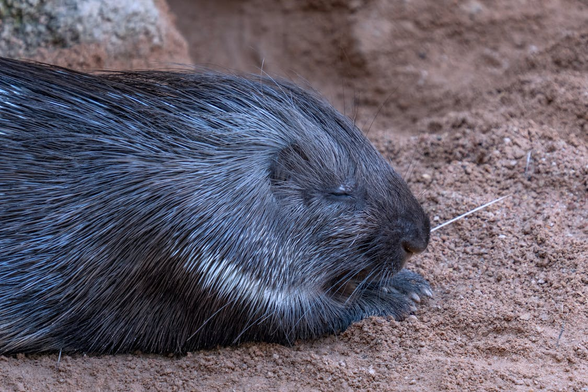
First look captures the bold, second look reveals the encompassing background.
Reviews of advancements in life sciences
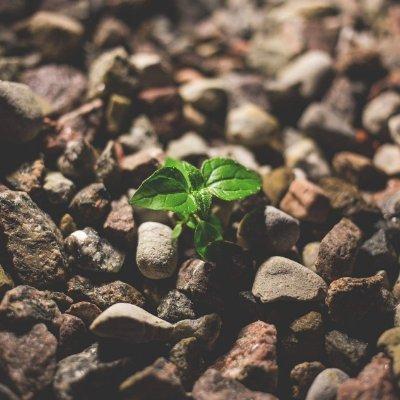
First look captures the bold, second look reveals the encompassing background.
Reviews of advancements in life sciences
+
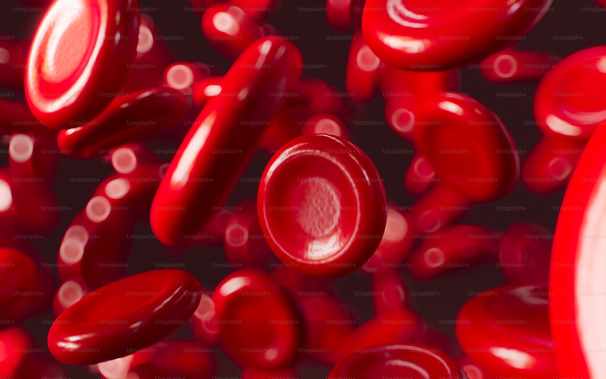
3) Adaptive Response to Signals:
HSCs respond dynamically to signals from their microenvironment, such as cytokines or growth factors, to modulate cell production rates, ensuring the body's demands for blood cells are met efficiently and precisely.
This adaptability resembles a conscious-like adjustment to systemic needs.
So, is it possible at all to say that each stem cell carries the knowledge and will power to perform these activities themselves?
+Also, the enteral side's preferential lipid metabolism aids the microbiota and epithelial health, and glutamine fuels goblet cells, strengthening the mucosal barrier and sustaining microbial health.
These interactions support a resilient intestinal ecosystem, maintaining a robust barrier against pathogens and fostering symbiotic microbial populations beneficial for host immunity.
Is it possible at all to say these precise responses are planned and managed by these species themselves?
#science
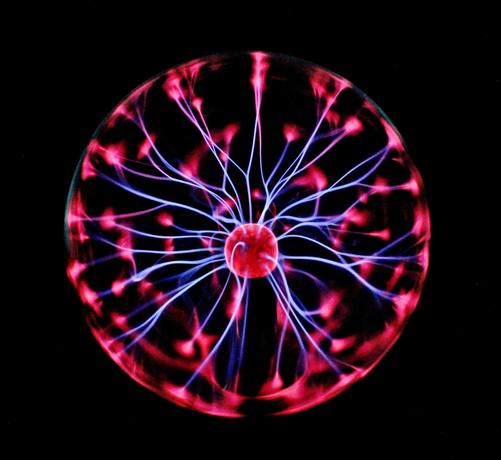

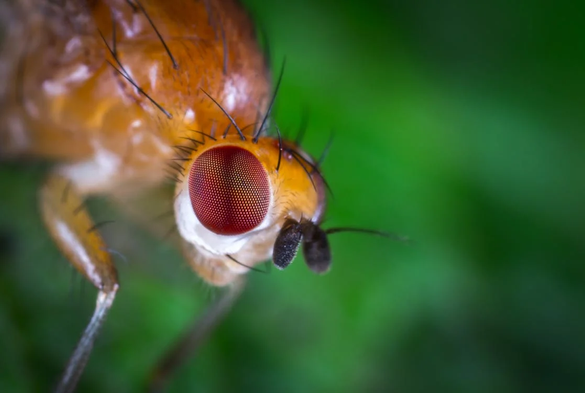
+ For example, learned valences influence how flies respond to cues, effectively prioritizing memory retention for ecologically relevant stimuli like threats or rewards.
Is it possible at all to say that the fly carries the necessary knowledge to manage such an aimed mechanism itself?
#reason #nature
+ This behavior suggests a nuanced ecological response indicating heightened awareness or instinctive action for survival.
Such behaviors reflect the complex, seemingly conscious actions tropical mammals have with their environment, impacting their nocturnal activities and habitat use.
Considering the amount of knowledge it requires, is it possible at all to say that these mammals calculate, plan and interact with their environment with full consciousness?
#ecology