
Second Look

@secondlook
2 Followers
63 Following
21 Posts

First look captures the bold, second look reveals the encompassing background.

Reviews of advancements in life sciences

+
3) Adaptive Response to Signals:
HSCs respond dynamically to signals from their microenvironment, such as cytokines or growth factors, to modulate cell production rates, ensuring the body's demands for blood cells are met efficiently and precisely.

This adaptability resembles a conscious-like adjustment to systemic needs.

So, is it possible at all to say that each stem cell carries the knowledge and will power to perform these activities themselves?

#Retrotransposons #science

1) Regulated Activation:
HSCs selectively activate during stress (e.g., blood loss or infection) to increase the production of specific blood cells needed at that moment, showcasing a seemingly intentional adjustment to physiological needs.

2) Self-Renewal and Differentiation:
HSCs balance self-renewal (to maintain the stem cell pool) and differentiation (to produce mature blood cells), which suggests a strategic allocation of resources to sustain long-term metabolic stability. +

+ This mechanism, conserved across mice and humans, is critical for maintaining red blood cell production under hematopoietic stress, highlighting an adaptation through physiological demands.

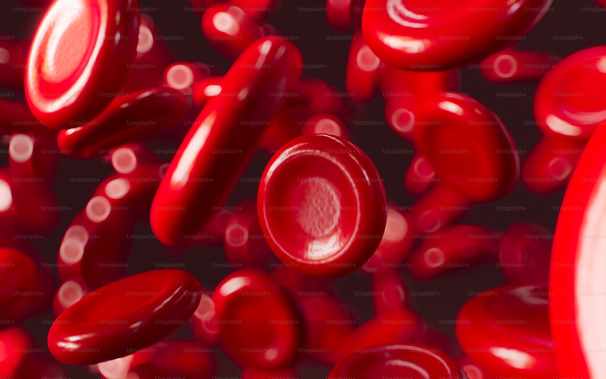
As the articles touches, hematopoietic stem cells (HSCs) are vital for maintaining normal metabolism by producing all types of blood cells through a process called hematopoiesis.

There are some interesting ways that HSC activity appear to be purposeful and conscious, such as: +

https://www.science.org/doi/10.1126/science.ado6836
from issue 6722 of the Science journal

The study explores how retrotransposons are co-opted to activate hematopoietic stem cells (HSCs) during pregnancy and stress conditions like serial bleeding.

Retrotransposon activation triggers the cGAS-STING signaling pathway, leading to interferon (IFN) production, which promotes HSC proliferation and erythropoiesis, particularly in the spleen. +
#anatomy

+Also, the enteral side's preferential lipid metabolism aids the microbiota and epithelial health, and glutamine fuels goblet cells, strengthening the mucosal barrier and sustaining microbial health.

These interactions support a resilient intestinal ecosystem, maintaining a robust barrier against pathogens and fostering symbiotic microbial populations beneficial for host immunity.

Is it possible at all to say these precise responses are planned and managed by these species themselves?
#science

+ The intestine's adaptive responses to nutrient source and timing, including shifts in enterocyte zonation and targeted nutrient absorption, mirror a "conscious" tuning of absorption efficiency and barrier protection to varying nutrient conditions.

This behavior adapts to optimize nutrient uptake and epithelial defense, especially by shifting lipid absorption to villus tips during enteral nutrient intake. +

+ By mapping nutrient dynamics and absorption patterns, the research reveals how each source influences specific intestinal zones and cellular activities, optimizing nutrient uptake and enhancing epithelial barrier integrity.

Findings underscore the intestine's adaptive capabilities, with implications for metabolic health, especially under disorganized feeding patterns like breakfast skipping. +

https://www.cell.com/cell/abstract/S0092-8674(24)00903-6
From issue 187-22 of the Cell journal

This study explores how the small intestine’s dual nutrient supply—combining enteral (dietary and microbial) and serosal (host) sources—differentially regulates nutrient absorption, cell functions, and gut defenses. #GlycemicControl

+ The resulting forms, influenced by forces at the subatomic level, resemble purposeful designs—like sculptures shaped by a hidden hand, reflecting both the elegant simplicity and complex asymmetry seen in nature’s own artistry.
#designwithoutdesigner

+ Quantum fluctuations add a dynamic aspect, causing the shapes to shift subtly due to intrinsic rotations and other quantum effects, similar to an art piece that changes with each glance.

Under high-energy collisions, these shapes imprint themselves onto the resulting particle distributions, creating distinct, almost artistic patterns that reveal intricate symmetry and structure. +