 funnymonkey
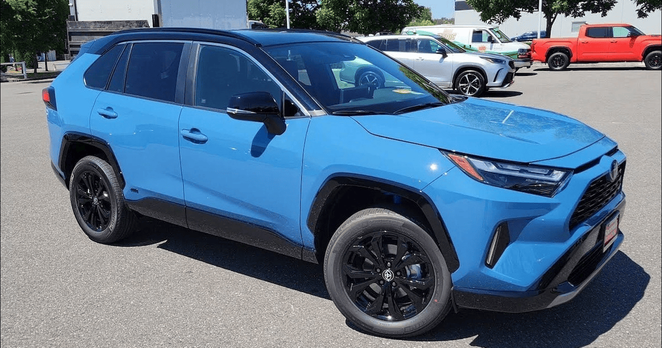
This post is awesome, and I predict aftermarket shops offering to remove car surveillance to spring up in the next few years.
It shouldn't be necessary, but it is.
https://arkadiyt.com/2026/05/13/removing-the-modem-and-gps-from-my-rav4/

| GitHub | https://github.com/mossmann |
This post is awesome, and I predict aftermarket shops offering to remove car surveillance to spring up in the next few years.
It shouldn't be necessary, but it is.
https://arkadiyt.com/2026/05/13/removing-the-modem-and-gps-from-my-rav4/
New episode is up! We talked to @mossmann about HackRF Pro, Cynthion, and more!
Who do you wanna dr(((((((((((o)))))))))))ne with?
It's International Drone Day coming again. Let's make a noise together that stretches around the world.
Saturday May 30, 2026
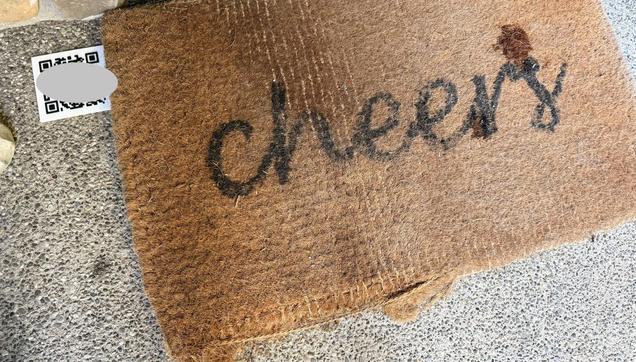
trying a new thing, have 3D printed a QR code and put it on the front porch
QR code triggers a canary token
want to see if any of the delivery companies are using the drop off proof of delivery pics to train AI
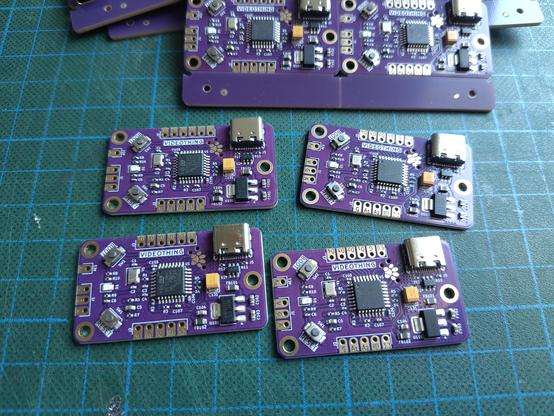
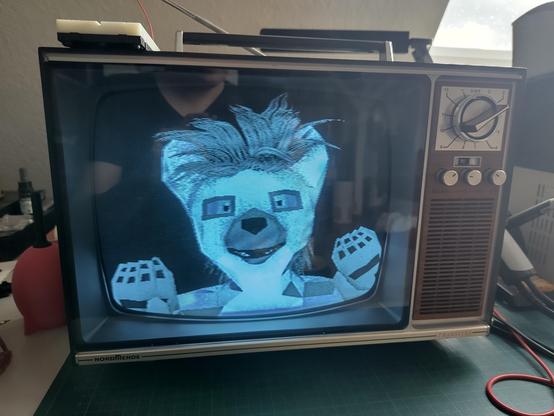
Wheeee! I've finally cleaned up the schematics and layout for the videothing TV transmitter board for release and updated the tinyvision library to work with it! Experience television like you never have before!
Go check it out! https://git.sr.ht/~slyka/videothing
RE: https://eupolicy.social/@ilumium/116488806427093937
Human rights conference abruptly cancelled after scheduling event in country with poor human rights record at venue donated by second country with poor human rights record.
This is, by the way, a big part of why you shouldn’t plan international conferences in the US.
 Unnamed RE Podcast

 Violet Blue
 noisio
 Mike Sheward
 Kris\Slyka