
Greg Schivley

265 Followers
296 Following
78 Posts
Energy, transportation, climate, bread, beer, and cycling
Twitterhttps://twitter.com/gschivley

@Timur

3. Because CH4 flows matter, reducing leakage rates is very effective. With new monitoring tech we are likely to find big leaks and stop them. There is lots of work in this area because we all know that CH4 emissions are important.

Maybe there are cases where coal has lower climate impacts and not higher health damages. It's a nuanced subject.

Either way, build as much zero-carbon tech as possible, as fast as we can!

🙂 3/3

@Timur

2. The comparison is on an energy basis. Parts of the world use coal in industry, others use gas, maybe a few have a choice. But if you are talking about electricity production, gas is almost always used with a much higher efficiency.

3. COâ‚‚ emissions have a very long climate impact. Emit today, warming is around for centuries. Total emissions matter. CH4 is short lived. Flows are important. If you burn coal or gas for 10 years and then stop, the climate impacts of gas are lower.

2/n

@Timur I just read the study and don't think that's exactly what it says. There are lots of scenarios to consider, alternative futures, and non-climate impacts. Here's a summary of my thoughts...

1. SOX from coal reduces its climate impacts but is *really* bad for human health. To the degree that it makes coal look better you can't forget about the health impacts.

1/n

@ZaneSelvans @chrisnelder Not that I know of! Maybe (heavily subsidized) hydrogen electrolysis, which could also be used for storage and converted back to electricity. Or maybe some new technology/process with low Capex that can afford to overbuild capacity. Not my area of expertise though.

📚 Pretty nervous about this, but here goes. Here's a side project I've been working on for the past few months. It's called Viberary and it's a semantic search engine. It gives you book recommendations based on ✨vibes. ✨ You enter a search query like "funny scifi" and it returns a list of (hopefully!) good recommendations.

https://viberary.pizza/

There is an about page that explains the data, model, etc. It's still pretty early stages but it's been a labor of love for me.

Viberary

Find your book vibe semantically!

@chrisnelder @ZaneSelvans Storage and DR (flexible load) are very useful but not going to cut it when wind is low for a week or two. I’d bet more on geothermal right now but something firm has to be available unless you charge batteries and let them sit idle all the time.

One headache in modeling & scenario analysis are inconsistent country names across different data sources.
So we developed an open-source #Python package to harmonize names in the #IntegratedAssessment & #EnergySystems communities...

The country names are based on ISO3166-1 standards, and the package has a few utility features to streamline modeling & analysis.

#ReadTheDocs at https://nomenclature-iamc.readthedocs.io/en/stable/api/countries.html, or visit the #GitHub repo at https://github.com/iamconsortium/nomenclature

A common list of countries — nomenclature 0.11.0 documentation

@ZaneSelvans a key point is that none of the demand resources shift outside a single day. So they sub for Li batteries but don’t take away from the need for something when wind dies down for a week or two.
@ZaneSelvans we do include flexible load as a resource in our studies at ZERO lab. It’s based on stock values, “base” load profiles, and assumptions about what fraction of load can be controlled and how many hours it can be shifted. No way it’s “correct” but it gives some idea of how that stuff will be used in future systems.

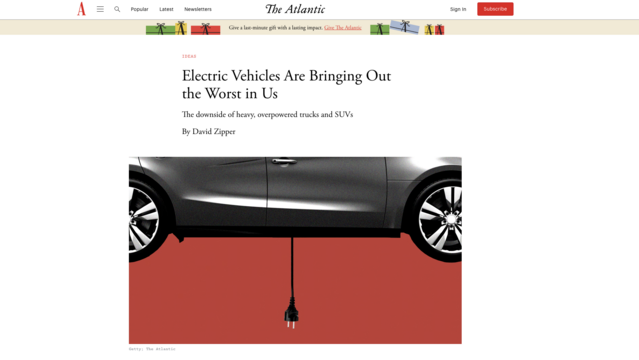
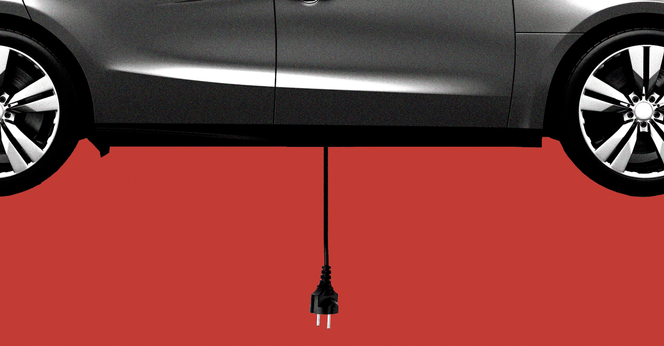
Writing in The Atlantic, I argued that electric vehicles shouldn't be overpowered behemoths:

"Automakers' focus on large, battery-powered SUVs and trucks reinforces a destructive American desire to drive something bigger, faster, and heavier than everyone else."

https://www.theatlantic.com/ideas/archive/2023/01/electric-vehicles-suv-battery-climate-safety/672576/

#cars #safety #climatechange

Electric Vehicles Are Bringing Out the Worst in Us

The downside of heavy, overpowered trucks and SUVs

The Atlantic