BubbleCow

@bubblecow
32 Followers
75 Following
117 Posts

Developmental book editor (Gary Smailes) with over twenty years experience of helping hundreds of self-publishing writers.

My first 'real job' in publishing was working on the Horrible Histories series, but I started BubbleCow in 2007.

I am also a traditionally published author with twenty plus books in print. My agent is Andrew Lownie.

Companyhttps://bubblecow.com
Gary Smaileshttps://mastodon.social/@garysmailes

A book cover is not just decoration.

It is a promise to the reader.

Before page one, it tells them what kind of experience to expect: genre, tone, pace, danger, warmth, mystery, humour, seriousness.

If the manuscript does not deliver on that promise, the reader feels misled.

#writing

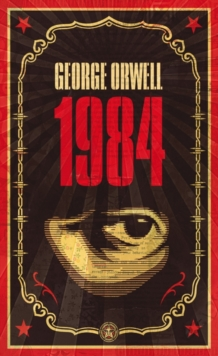
A strong cover for Nineteen Eighty-Four does not need to explain the plot.

It only needs to make the reader feel watched. Stark colour, hard typography, and visual restraint all point toward control, pressure, and fear.

#writing

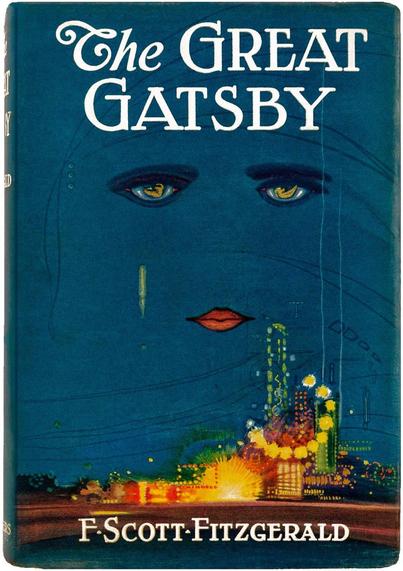
Today I want to talk a bit about covers. Here's an example...

The cover of The Great Gatsby works because it promises more than a story about rich people. The dark blue, the distant lights, and the floating eyes suggest glamour, observation, loneliness, and something slightly unreal.

#writing

Before sending to beta readers, give them focused questions.

Not: "Did you like it?"
Try: "Where did you lose interest?" or "Which character choice confused you?"

Better questions produce better revision clues.

#writing #amediting

Revision framework: track promises and payoffs.

List what your opening makes the reader expect: genre, conflict, tone, character arc.

Then check whether the manuscript delivers. Weak endings often begin with unclear promises.

#writing #amediting

A useful revision tool: read each scene and ask, "What changes because this scene exists?"

If the answer is unclear, the scene may be repeating information, delaying movement, or missing consequence. Revision starts by finding where the manuscript stops changing.

#writing #amediting

Before rewriting a flat scene, ask: what changes because of this moment?
If the answer is “not much,” the scene may need clearer pressure, stronger stakes, or a consequence that pushes the story forward.

#writing #amediting

A flat scene is rarely just a flat scene. It may point to a bigger pattern: unclear stakes, weak motivation, or a plot moving without consequence.
Developmental editing looks for the pattern beneath the symptom.

#writing #amediting

One thing to track when writing is the 'relationship movement'. This is something I do chapter by chapter. Here's an example...

- Oswin / Voss: remains off-page in this scene, but the path to Voss is activated by the need to report Thorne's death and handle the contract/body.

#writing #amediting

One thing I look for in a manuscript opening is whether something “happens,” but whether the reader understands why it matters.

An opening can be busy and still feel flat. Movement is not the same as story momentum. The reader needs pressure, context, and a reason to care.

#writing #amediting