

30 Followers
120 Following
291 Posts
Famous quotes from NASA mission comms:
- Apollo 11: "The Eagle has landed"
- Apollo 13: "Houston, we have a problem"
- Artemis 2: "We are still updating Outlook so everything but email is go"
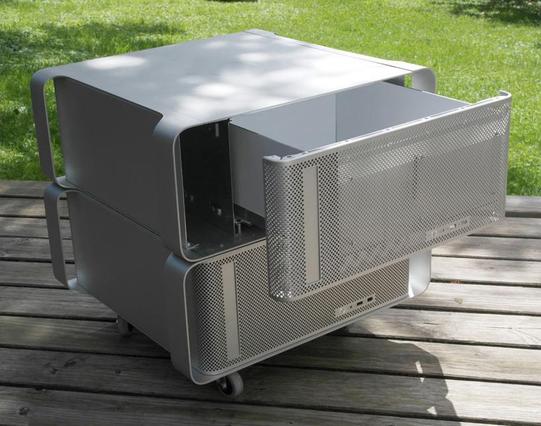
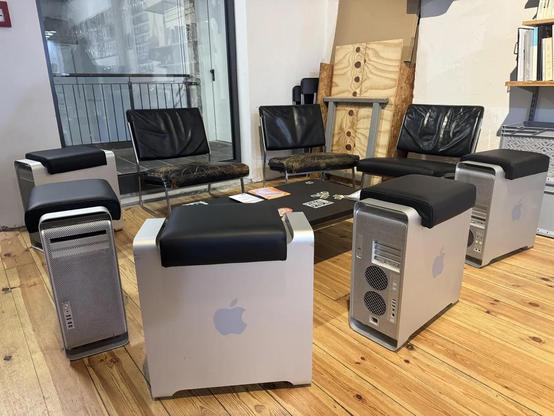
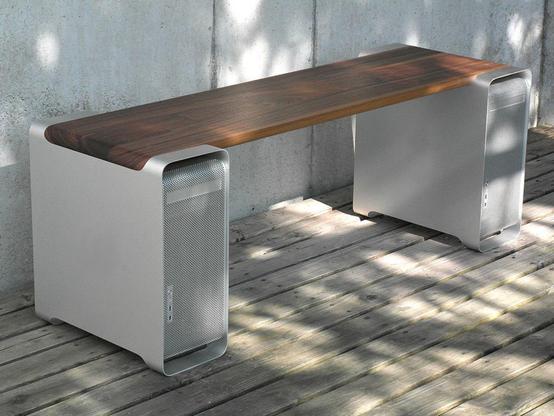
Second Lives for Discontinued Mac Pros

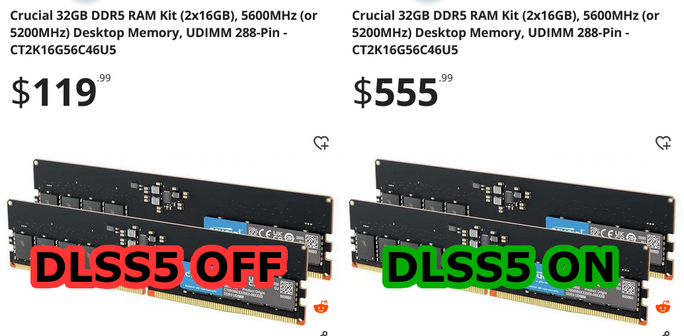
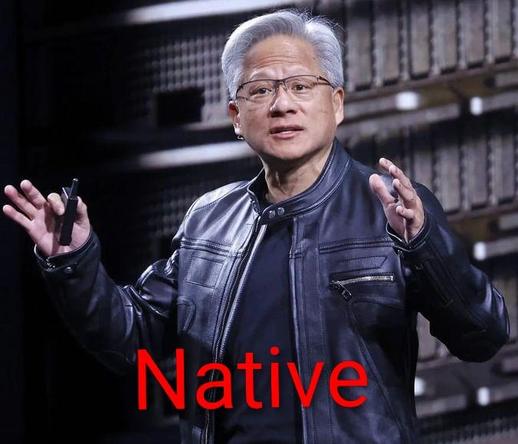
Technological progress is amazing these days

#DLSS5

this benefit isn't really that convincing to me tbh
😢😭🤮🤮

🎉 picoCAD 2 is out! 🥳
Model, texture, and animate - in a single lo-fi, easy to use package. 
GIF, GLTF, OBJ, and sprite sheet export. 
Available now on Steam and Itch!
Check it out! http://picocad.net

Thanks for boosting! ❤️ 🙏

Lot's of people asked for orthographic projection for the sprite sheets , so here we go!
#picoCAD2 #pixelart #lowpoly

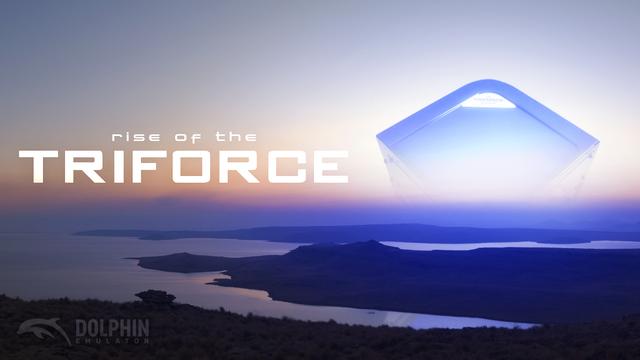
Did you know that there was an arcade platform based on the GameCube? In this deep dive, we introduce our console step-sibling and show off all of its games!

There's definitely nothing else.

https://dolphin-emu.org/blog/2026/02/16/rise-of-the-triforce/

Rise of the Triforce

During the rapid technological advancements of the early 1990s, the video game industry was on the cusp of a massive addition - another dimension. With console shenanigans like the Super FX chip giving players a taste of 3D, hype was at an all-time high. But the games released for home consoles were nothing compared to what arcade developers were capable of doing. By employing gigantic budgets and cutting-edge hardware, the arcade gave players a chance to see the future, today. But the future eventually arrived with the launch of the 5th generation of consoles. All of a sudden, the revolutionary 3D hardware features that were once exclusive to arcades were now available in home consoles. Without next-generation hype pushing players into the arcade, powerful but expensive arcade machines were no longer sustainable to develop. The industry adjusted by moving toward more cost effective solutions, with many turning to the inexpensive, already proven 3D-capable hardware available in 5th gen home consoles. Rather than turning around the decline of the arcade, the cheaper hardware may have helped accelerate it. There were fewer unique experiences to pull players into the arcade, and previous hit exclusives were now seeing high quality home console ports that allowed them to be enjoyed without munching quarters. When the 6th generation arrived with the Dreamcast and the PlayStation 2, many arcade stalwarts waved the white flag and started to shift their arcade divisions to home console projects, with mixed success. Sega was among those hit hardest by this era. They produced some of the greatest arcade thrills of the 1990s and enjoyed massive success in the home console market with the Sega Genesis/Mega Drive. But a string of mistakes and miscalculations combined with the slumping arcade industry sent them to the brink of bankruptcy. By 2002, the Dreamcast had been soundly defeated by the launch of the PlayStation 2, and Sega began porting some of their hits to their former rivals' hardware just to stay afloat. The home market was lost, but the languishing arcade scene presented Sega with an opportunity. They still had legendary arcade development teams, and if Sega could leverage them to produce a wave of arcade hits, they would be in a position to dominate a new era of arcades when most others were changing gears. There was just one problem: Sega didn't have the resources that they once did. If they were going to do this, they needed some help. And so they did something that would have been considered unthinkable just five years prior. Sega teamed up with Nintendo to develop a GameCube-based arcade platform. Bolstering their ranks was Namco, another coin-op stalwart with tons of arcade veterans. Three companies, one mission: Triforce.

Dolphin Emulator
*Replacing stuff in PC case*
*SATA cable connected to nothing comes out*
Me: 😐
SATA cable: 😐